Sea lion death fears as govt halts nation-leading feral cat trapping
Funds for a nation-leading feral cat control program ran out the week bird flu arrived in SA, raising fears over predatory cats transmitting the devastating disease as they are left to run rampant.
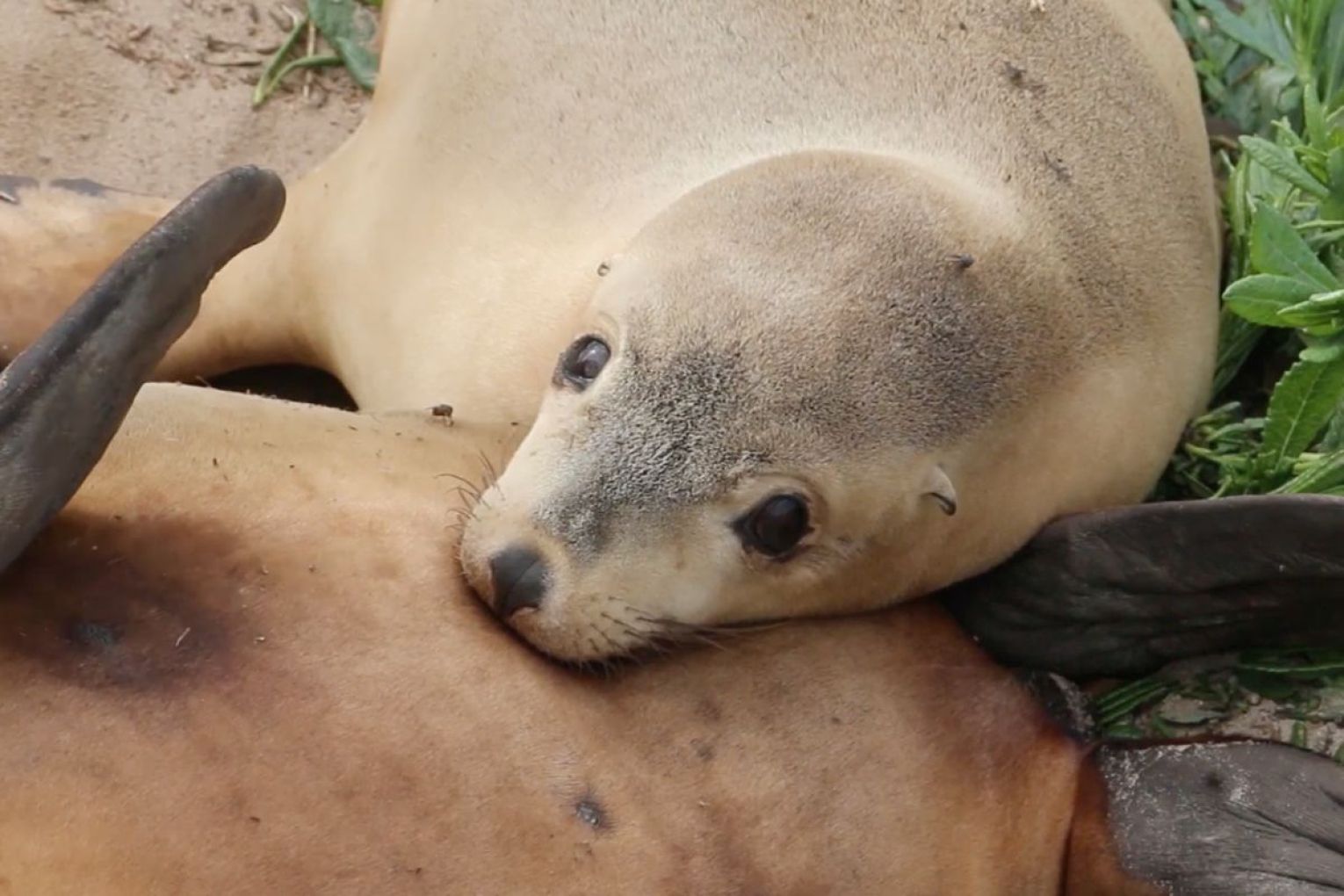
A feral cat control program designed to protect one of the nation’s most iconic and vulnerable species from disease was ended during the week bird flu arrived in South Australia, despite a $1.4 million government initiative promising to “mitigate key threats”.
Conservationists and tour operators have expressed shock and anger that no active cat trapping program is operating at the internationally renowned Seal Bay to protect Australian sea lions in the wake of Kangaroo Island’s first case of H5 bird flu that was confirmed earlier this month.
Questions are also being asked why the program was run during the warmer months of October to June considering the ideal time to catch feral cats is in winter when food is scarce.
The Department of Environment and Water (DEW) confirmed to InDaily that a total of 38 feral cats were trapped and removed from the Seal Bay Conservation Park before the project was wound up on June 30, with 130 traps deployed across more than 5000ha of habitat.
But during a bird flu community forum on Kangaroo Island last week, DEW’s Director of Conservation and Wildlife Lisien Loan lauded the work of the KI Landscape Board in trapping “nearly 100 cats”. It is unclear why she quoted this number – more than double the official statistic from her own department – to a large crowd at the Kingscote Town Hall.
The $495,016 feral cat eradication program – equating to about $13,000 per cat caught – formed part of the Australian and South Australian Government’s jointly funded $1.4 million sea lion protection program, widely promoted ahead of bird flu as “delivering numerous initiatives to help better protect the internationally iconic species and support conservation efforts”.
You might like

Cats can catch and transmit bird flu, typically being infected by eating sick birds. They can shed the virus in their saliva, nasal secretions and faeces, making them dangerous for sea lions that spend much of their time on land.
When asked by a member of the public why trapping was no longer happening, Loan said “it’s certainly one of the things that we’re looking to try and continue – and continue to get funding to do that”.
One of the island’s leading tour guides Nikki Redman, who visits Seal Bay with tourists multiple times a week, said it was “ridiculous” for the government to say it doesn’t have the funding to continue a cat trapping program at Seal Bay.
“It’s extremely frustrating because the messaging during this bird flu is contradictory to the reality on the ground,” Redman said.
“They say they are doing everything they can to help the sea lions but they’re not even trapping for feral cats during winter just as bird flu has arrived. Ridding parks of feral animals that can spread diseases to native animals and also predate on many native species is vital.
“Trapping should be something done all the time, it should be part of their daily management program and it shouldn’t cost so much to do this work. Just make it happen, there’s no excuse not to. We might only get one chance at this.”
Stay informed, daily
Redman said she had reported seeing cats at Seal Bay as well as cat tracks in the sand adjacent to bandicoot tracks.
“Seal Bay is a cash cow for the government and they can’t run a simple cat trapping program over winter now that bird flu has arrived?
“The sea lions can catch toxoplasmosis from the cats so they are a constant threat to their survival even without bird flu adding to the risks. I just don’t think there’s been enough done in our parks to protect our precious native animals.”
Reducing cat numbers in seal breeding areas was highlighted by DEW as an important tool in reducing transmission of diseases such as toxoplasmosis and the potential for bird flu to devastate declining populations of sea lions.
More than 80 per cent of Australia’s sea lion population lives in SA waters, with the total population of the species estimated to be fewer than 12,000.
Findings published in the scientific journal BioRxiv, showed that in October last year researchers estimated 13,000 southern elephant seal pups appeared to have died from the H5N1 bird flu strain on the remote Australian sub-Antarctic Heard Island territory. The findings have not yet been peer reviewed.
James Johnston, Senior Advocate at the Invasive Species Council, said although the State Government had been taking active steps to prepare for bird flu “it’s certainly not a perfect plan”.
“We need to proactively protect our wildlife now because when this hits it could be as devastating as the Black Summer bushfires for our wildlife,” Johnston said.
“That requires real investment. We know the single best way to prepare for bird flu is by removing pressure like feral cats on Kangaroo Island and we need that sort of funding to be provided for those programs to be run.”
The Invasive Species Council is calling on the Albanese Government to “urgently invest at least $200 million over the next two years in a national wildlife resilience package”.
“We have seen cases in South America where populations have been absolutely decimated of seals and we don’t want that happening in South Australia,” Johnston said. “Seal Bay is one of our most vital areas.”
A DEW spokesperson confirmed it would continue to “explore opportunities for further funding” and said the now concluded program “also contributed to the development and trial of new technology”.
“The capability, knowledge and equipment developed through the project provide a valuable foundation that can be used in future feral cat conservation projects,” the spokesperson said.
Want to see more stories from InDaily SA in your Google search results?
- Click here to set InDaily SA as a preferred source.
- Tick the box next to "InDaily SA". That's it.