First patients get robotic support in ground-breaking cancer diagnosis
A new robotic assistant is providing hope for patients as it helps Adelaide surgeons provide faster cancer treatment.
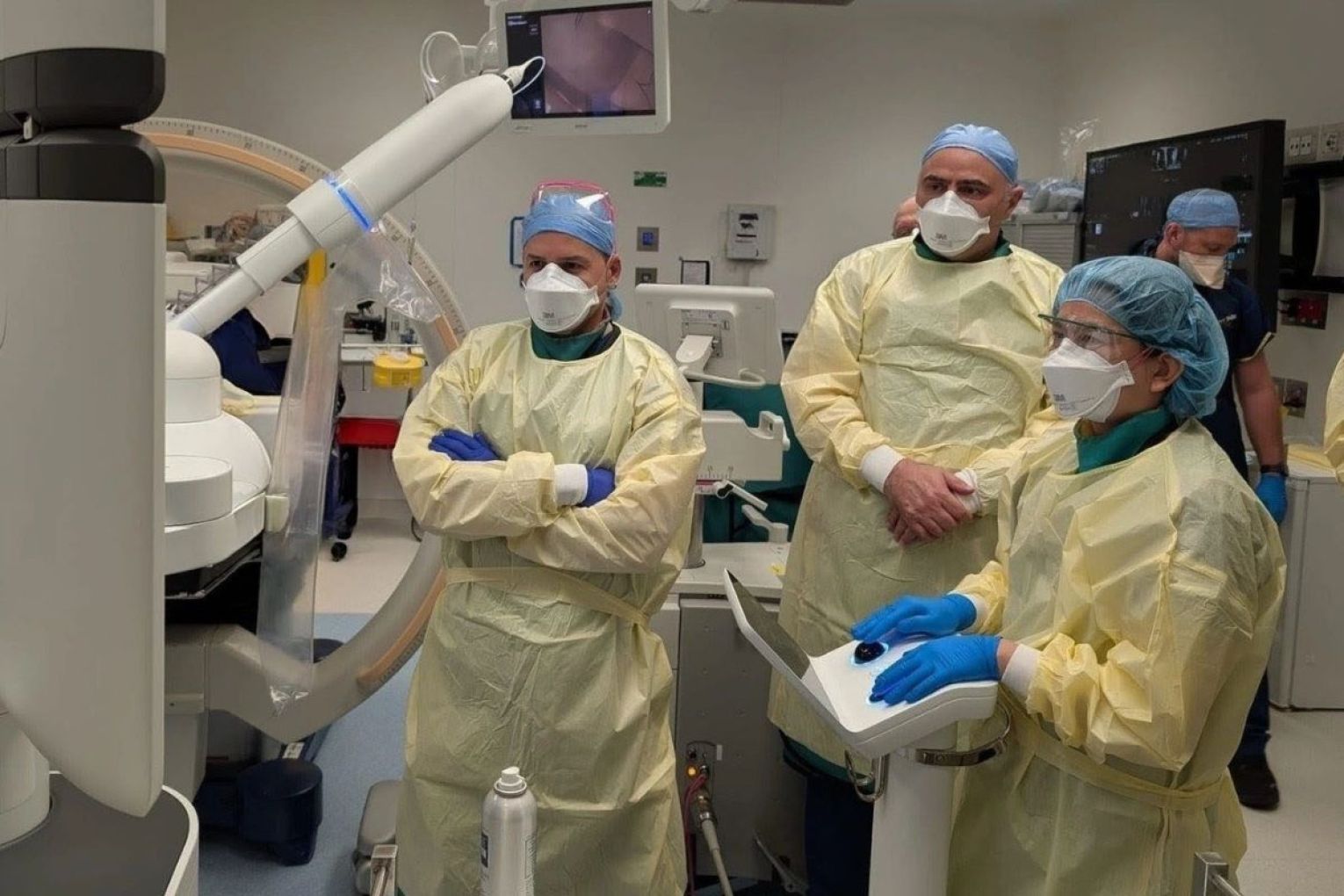
South Australian Jayne Saul was one of the first patients to undergo a new procedure – called the robotic-assisted bronchoscopy – after a lung lesion was found close to her heart.
Saul was “chuffed” to learn she was eligible for the robot-assisted procedure now happening at the Royal Adelaide Hospital that would help the surgeon biopsy her lesion in a difficult-to-reach position.
“It was reassuring to know it would be able to grab more of the tumour,” she said.
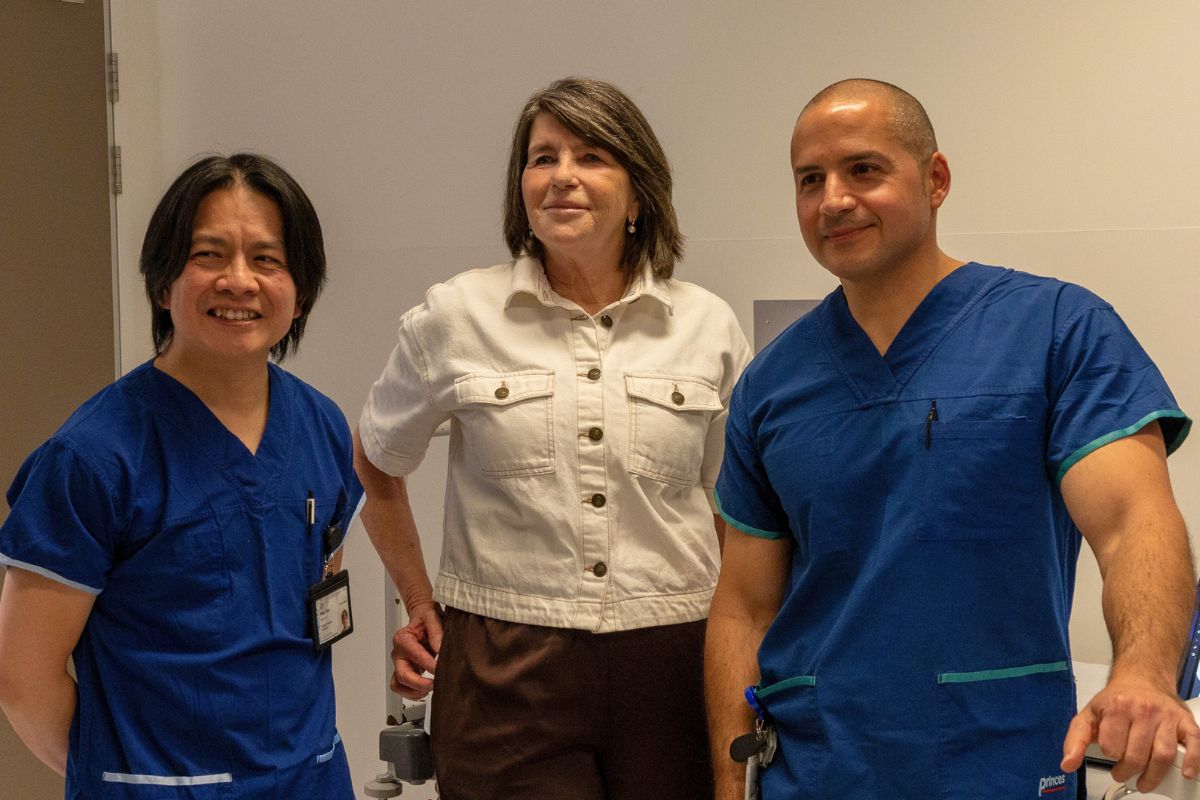
Her surgeon Dr Phan Nguyen used the robotic assistant to help directly access the lesion meaning not only earlier diagnosis but also earlier treatment.
You might like


Saul was a part of a trial run by Professor Nguyen, one of only two physicians in the state trained to use this technology.
“I’m not adverse to having robotic procedures as it’s chartered to do what it has to do,” Saul said.
“It helps the surgeons out and removes that potential element of human error.
“Research and things we can do now medically is moving so fast – it’s not something to be scared of.”
Stay informed, daily
SA’s advanced cancer tech is now available to patients across SA, the Northern Territory and parts of Victoria and New South Wales.
Select hospitals in Victoria and Western Australia rolled out the tech in 2025.
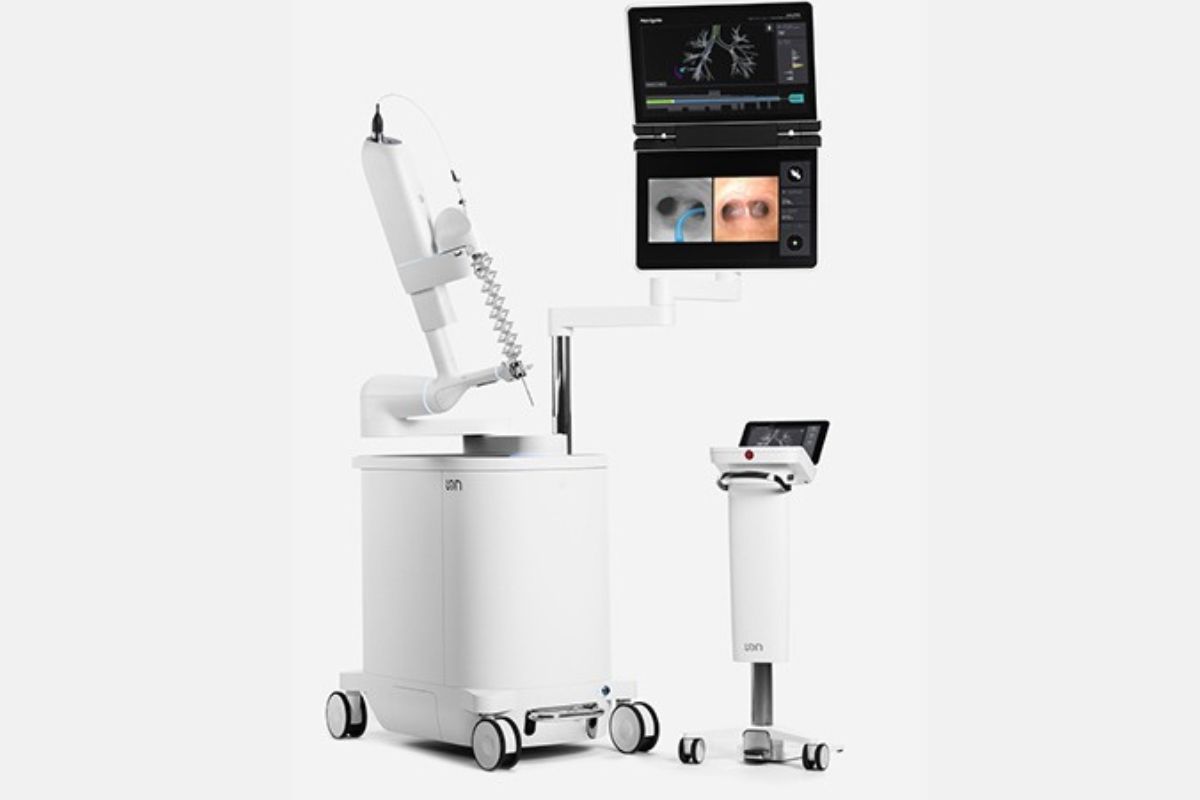
Nguyen said the robotic-assisted bronchoscopy allowed physicians to “access small lung nodules that previously have been impossible to reach or required multiple procedures”.
“This reduces diagnostic uncertainty and anxiety for patients, reduces complications and allows cancers to be treated at an earlier, curable stage,” Nguyen said.
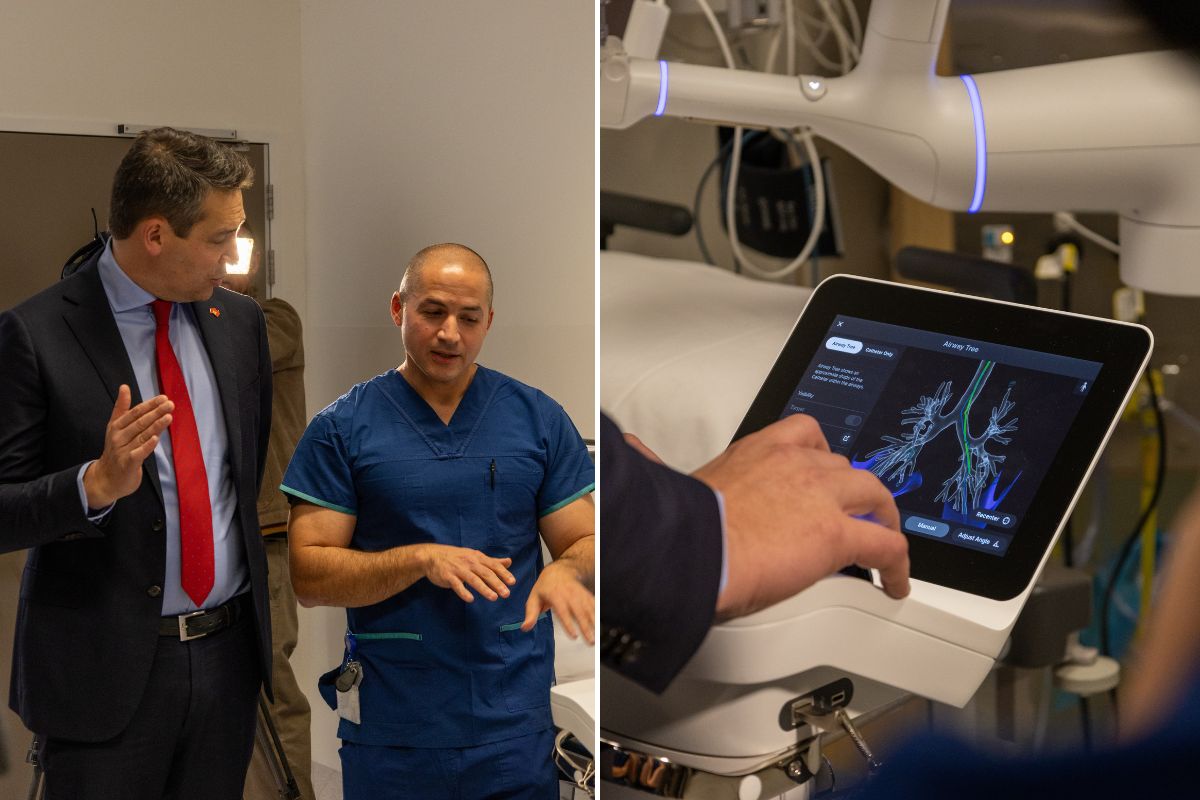
Health Minister Blair Boyer said innovations like the robotic bronchoscopy were “so important” because “lung cancer remains one of the most challenging cancers to diagnose and treat”.
When lung cancers are diagnosed at stage one, patients have more than an 80 per cent chance of five-year survival, Boyer said.
“The introduction of robotic-assisted bronchoscopy reinforces South Australia’s reputation as a leader in adopting innovative healthcare technologies,” he said.
“The Royal Adelaide Hospital continues to play a leading role in bringing advanced medical technologies to patients across South Australia and beyond.”
Want to see more stories from InDaily SA in your Google search results?
- Click here to set InDaily SA as a preferred source.
- Tick the box next to "InDaily SA". That's it.