Safe birthing win for SA Voice
A week after a parliament bid to repeal SA’s Voice to Parliament, its newly elected members explain what the Voice has achieved for families.
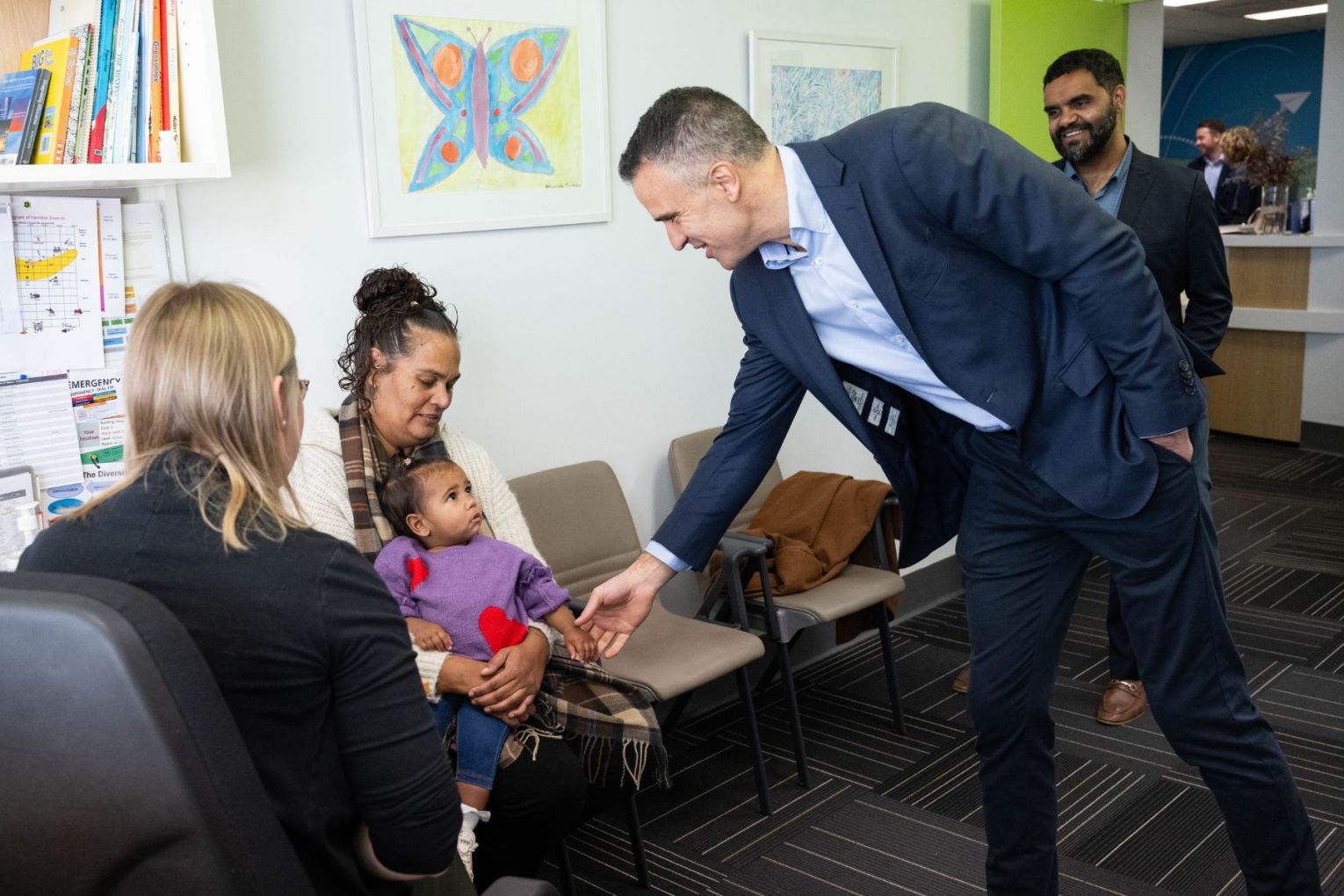
The first public priority of the Voice to Parliament’s second term is improving safe birth practices statewide, including remote Aboriginal communities, Voice members announced today.
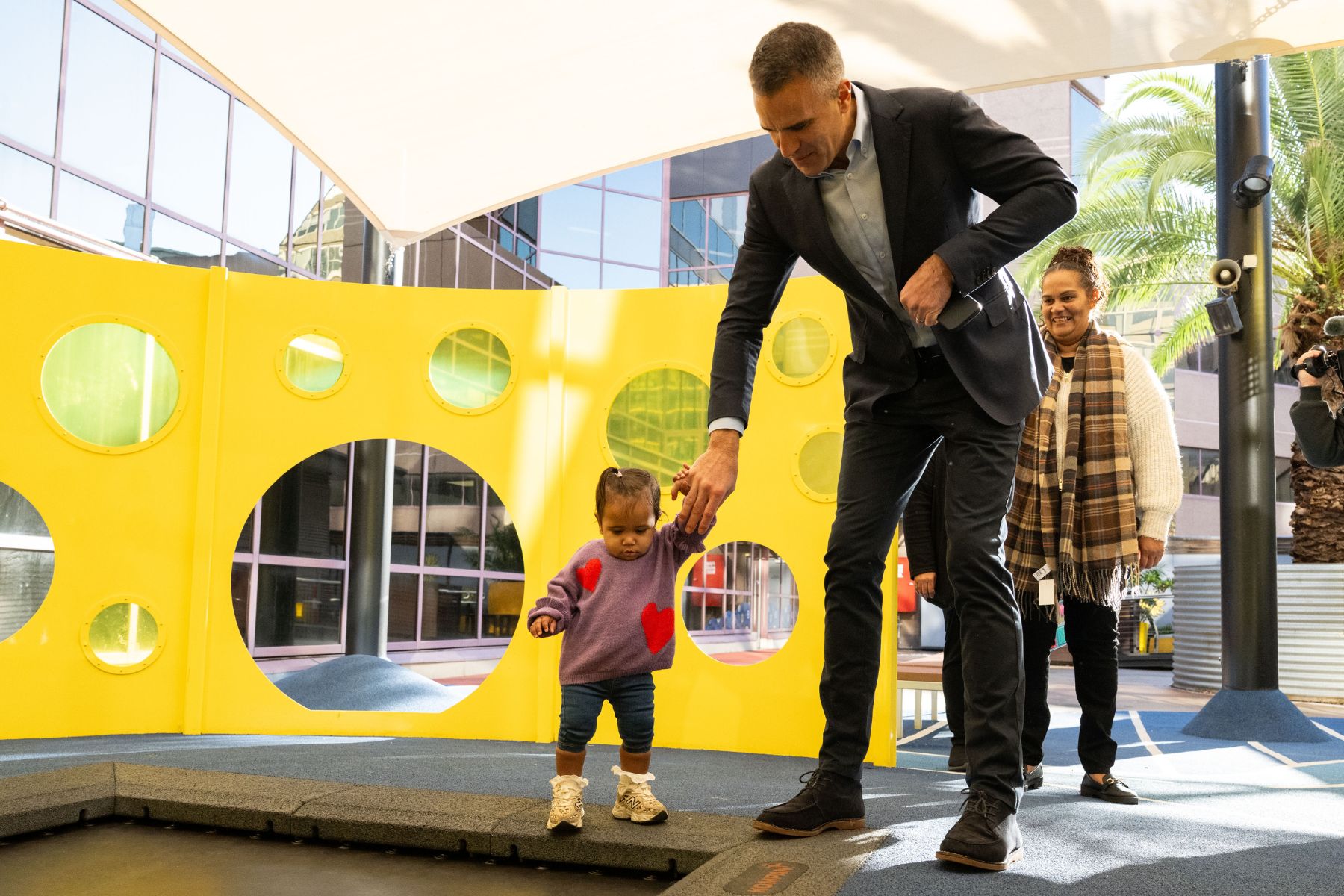
Re-elected Voice Presiding Members Danni Smith and Leeroy Bilney joined Premier Peter Malinauskas and Aboriginal Affairs Minister Kyam Maher at the Women’s and Children’s birthing unit for the announcement.
The Safe Birthing on Country project is a system health reform designed to support Aboriginal women to give birth closer to home with access to culturally safe maternity care, no matter where they are based across South Australia.
“It doesn’t come at dramatic expense to the taxpayer, it is just a practical reform founded in getting better health and well-being in our country for Aboriginal people in our state,” Malinauskas said.
It comes a week after a bid to repeal SA’s Voice to Parliament failed to pass the upper house, with nine votes in favour of repeal and 10 against.
You might like
The bill was an election promise from the SA Liberals and was supported by One Nation and Family First member Sarah Game, with Labor and the Greens against the move.
Had the bill been successful, it would have repealed the Voice, reinstated a former Aboriginal Lands Parliamentary Standing Committee, and redirected Voice funding into frontline programs, the Liberal Party said.
Upper house Liberal leader Nicola Centofanti told the parliament her party “want to see practical improvements in health, education, employment, housing, safety and opportunity, but we do not believe that adding another layer of bureaucracy is the answer”.
Stay informed, daily
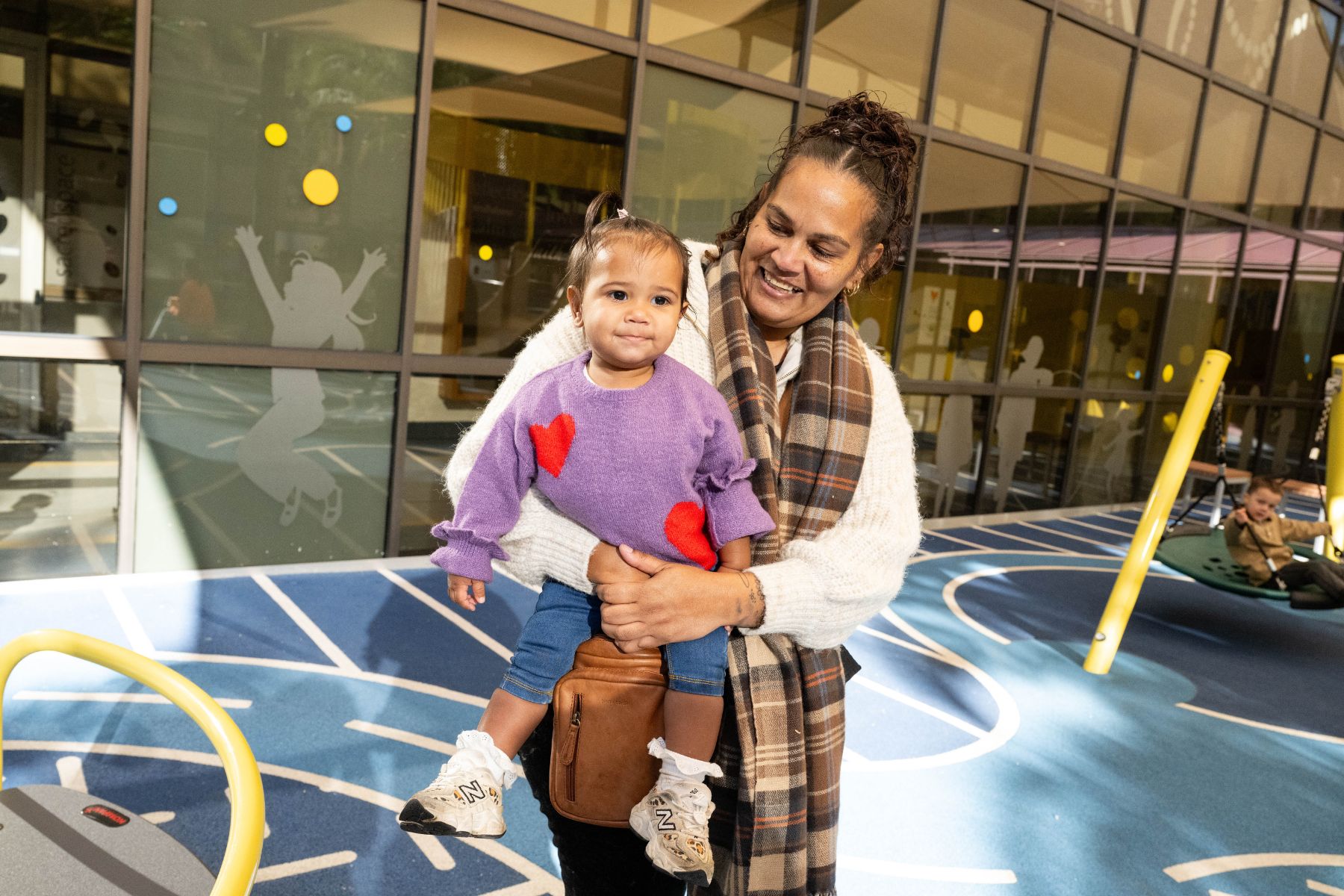
Mother Tralina Tucker had her now one-year-old CaiTanya at the Women’s and Children’s Aboriginal Birthing Unit, which involved having the same midwives with her throughout her pregnancy who had a “cultural understanding” of First Nations birthing practices and beliefs.
Tucker said having similar programs across the state would make a significant difference.
“For some mums, it isn’t their first rodeo when it comes to having babies,” she said.
“When they have to come to Adelaide, they have to leave their families then that often causes stress and financial stress as well, and the worry about what’s happening with their kids back home.
“Whereas if this program was to be out on country and in their home towns, they’d be able to eliminate all that stress and worry and [they would] be able to concentrate on their pregnancy and giving birth.”
Voice Presiding Member Danni Smith said she had a grandchild birthed on country, which “represents the restoration of something our family had lost”.
“My daughter gave birth only eight weeks ago, and she was the first in our family to ever be able to give birth on the country she identifies with – Kaurna Land,” she said.
“Giving our children the opportunity to be born on country strengthens their identity, their belonging, and their connection to culture from the very beginning. Those foundations stay with them for life.”
Other reforms the Voice has advocated for families include improving access to birth certificates and identification for Aboriginal children.
The Voice also provides advice on legislation, including early childhood development, preventative health and justice, and was consulted for the Royal Commission into Domestic, Family and Sexual Violence.
Want to see more stories from InDaily SA in your Google search results?
- Click here to set InDaily SA as a preferred source.
- Tick the box next to "InDaily SA". That's it.