Park lands ‘safer place’ to close
A gathering site for remote visitors in the west park lands will close next week, the state government instead injecting $1 million into other Aboriginal support services.
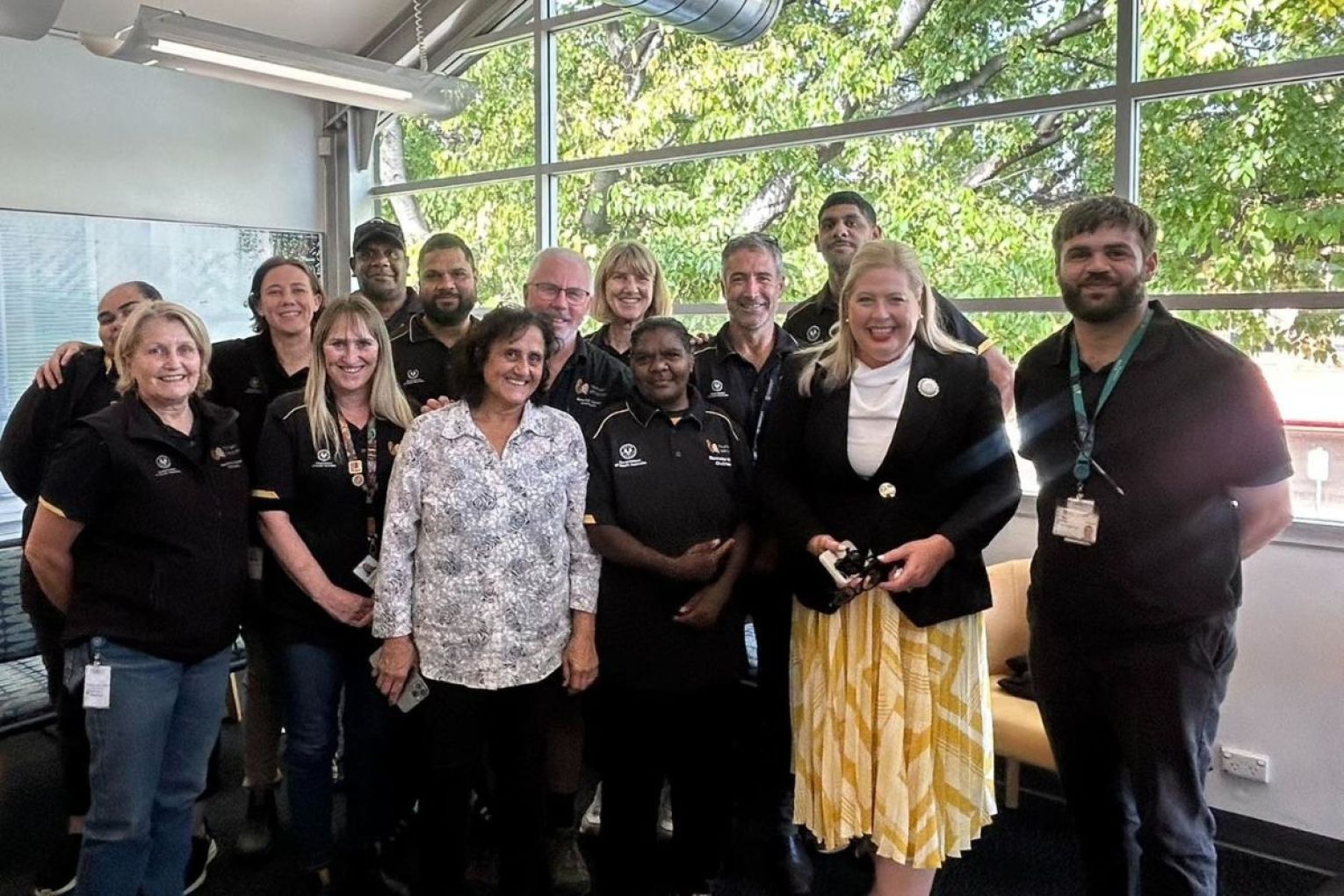
The Safer Place to Gather site in Edwards Park, operated by the government’s Human Services Department, will close on June 30 – three years after it opened as a temporary facility.
In its place, Human Services Minister Katrine Hildyard today announced a $1 million boost for other services that support remote Aboriginal visitors to transition out of the park lands site.
It comes almost a year after Department heads told the Adelaide City Council it was under-resourced, and requested a license extension for the park lands spot.
Safer Place to Gather included marquees, tents, and bedding, and acted as a hub for cultural advisors, social workers, and SAPOL to provide services to people travelling to Adelaide from remote communities, including connecting them with health services or helping them return to country where it’s safe to do so.
About 21,200 people used the Safer Place to Gather since August 2023, according to Human Services Department Data, with people visiting from the Northern Territory, APY Lands and SA’s far west and far north regions.
“The Safer Place to Gather did exactly what it was set up to do; give people a safe place to be while we built something better around them,” Minister Hildyard said.
You might like

“From 1 July, our frontline, outreach team is on the ground seven days a week and our flexible Night Patrol is out seven nights a week. That’s more help, more often and when it’s required, for those who need it.”
In 2023, the state government committed $490,000 to the Safer Place to Gather program, with the aim that it would only continue to early 2024, “or longer, if required”.
The Safer Place to Gather was always supposed to be a temporary service, the Adelaide City Council and department staff saying previously that a long-term, well-funded solution to the complexities of the Aboriginal camp site was needed.
Adelaide City Councillor Keiran Snape said that “while the initiative achieved a number of its aims, helping Aboriginal people connect to services and when needed, return to country, it’s clear that it wasn’t a long-term sustainable answer”.
“It’s no substitute for a fully funded shelter or hostel specifically catering to the needs of visitors from the country, with the appropriate wrap-around services.”
To ease the transition, the Human Services Department’s Remote Visitor Outreach Team – which provides outreach, health and case management support for remote Aboriginal visitors – will move to seven-day operations from July 1 until June 30, 2027, with a CBD hub that clients can drop in to.
Stay informed, daily
A Night Patrol service delivered by an Adelaide-based, Aboriginal-owned organisation Bammana, is also now operating seven nights a week – up from three – from 6pm until 1am each night.
Bammana began seven months ago to provide “culturally responsive, flexible outreach and safe transport”.
The organisation’s 100 per cent Aboriginal staffed patrols operate a bus service to transport people to and from the park lands, their homes, the hospital, or as needed to work with other services like SAPOL or the Sobering Up Unit.
“They’ll patrol the city, and they’ll go around and have chats, they might see a group of clients in Whitmore Square, for example, and they might go and have a chat to them, to see how they’re going,” Bammana Director Wayne Milera said.
“I know during the summer there was a lot of handing out waters to them, and just making sure that they’re safe, and if they do need us, that we’re there, a phone call away, or the next time we’re around, they can just wave down the bus.”
Milera said the service usually transports about 10 people per night, but has supported up to 20 people in a night, especially in summer, which is a busier season for visits to Adelaide.
He said the Safer Place to Gather site “worked well” and they had observed “limited numbers” of people in recent months.
“Although it might shut down, or there’s no longer a presence there, we’ll still patrol the park lands, and that area,” Milera said.
“We know that people are either sleeping rough, or hang around that area as well, it’s all about just being proactive and making sure that we’re helping prevent any issues.
“I still believe that people will probably hang around there, because they know it’s a familiar place…if they are there, they’ll have our number and if there’s anything they need we can help.”
The department also coordinates a Return to Country program throughout SA, which made about 4438 trips from 2022 to 2025 – the most trips happening in February after a summer surge.
Want to see more stories from InDaily SA in your Google search results?
- Click here to set InDaily SA as a preferred source.
- Tick the box next to "InDaily SA". That's it.