Shark cull calls ‘understandable’ but ineffective, Adelaide researcher claims
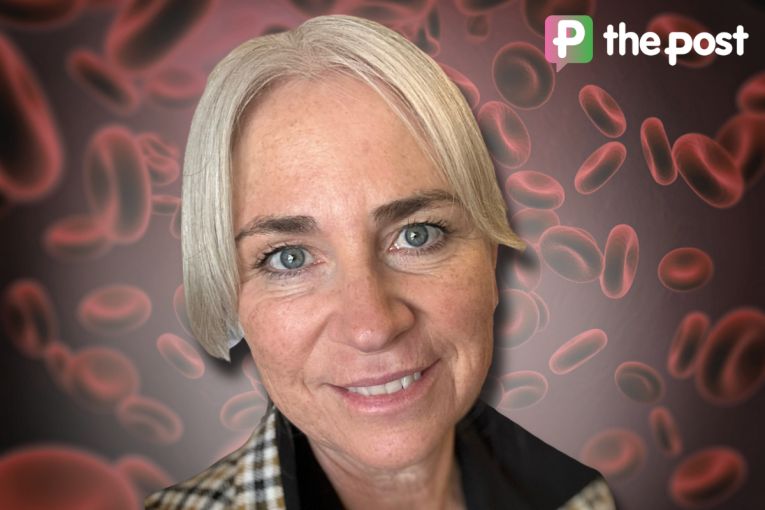
Adelaide University expert Brianna Le Busque said shark cull discussions were “understandable” following a horrific mauling in Sydney – but there is a better way to keep swimmers safe in the ocean.
Source: Facebook
A mum who was attacked by what is thought to be a great white shark while swimming at a Sydney beach has had an arm amputated and will have to have more surgery.
Coogee local Leah Stewart, a passionate teacher, was dragged from the water after the horrific attack close to shore at Sydney’s Coogee beach on Saturday.
The 35-year-old loving mum’s family revealed their shock and devastation as she battles life-threatening injuries.
She has had multiple surgeries, including amputation of one arm, and remains in St Vincent’s Hospital in a critical condition.
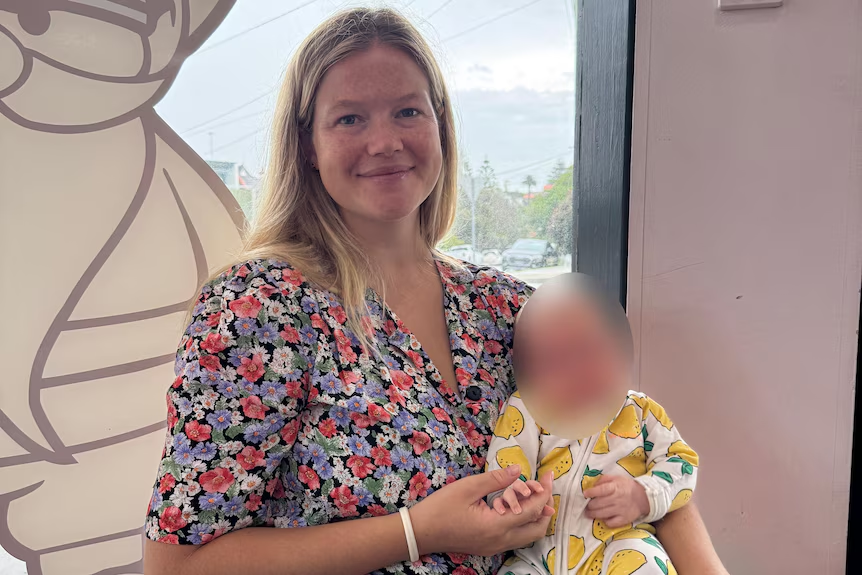
Leah Stewart will have to undergo more surgeries. Photo: Supplied
In a statement on Monday, Stewart’s family thanked lifesavers, first responders and the hospital staff for caring for her.
“As a family, we are shocked and devastated that this could happen to our beloved partner, daughter and mother, who is so full of life and energy,” they said.
| Sponsored |
“Leah’s injuries are severe and life-threatening. She will need extensive ongoing care, support and rehabilitation.”
You might like

Her family have asked for support as Stewart faces further surgeries in coming days. Her brother has launched a fundraiser to aid in her recovery.
Her husband was reportedly racing back from the World Cup to be by her side.

Leah Stewart has been described as a loving mum and passionate teacher. Photo: Supplied
An off-duty lifeguard who paddled Stewart to safety told the ABC that panic set in when the “big and powerful” shark grabbed her.
“I didn’t really know what I should do,” 25-year-old Charlie Verco said.
“The real panic kind of set in once I saw her getting dragged around a little bit and then when I saw the shark come out of the water and just saw how actually big it was. It was very freaky.
“I could see the dorsal fin and the tail fin and the body of it, and I felt like I was looking up at the shark just because it was so big.
“The water got very bloody and she got taken under and after a few seconds, popped up again, and the shark had let her go.
“That was when I was able to actually get close enough to her and get her to grab the front of my board.”
Verco said Stewart lost consciousness as he paddled back to shore.
“I had to go grab her by the arm and just keep her head out of the water with one arm and paddle backwards with the other until we got close to shore there was lifeguards there ready to help,” he said.
“They helped me pick her up and get her onto the sand where there was about another 10 people, whether it was the more council lifeguards or police in the area or it was a busy day at Coogee, just members of the public that had medical training.”
NSW Premier Chris Minns said the great white shark population would not be culled after the horrific attack.
“When it comes to shark culling, the truth is the great white shark is protected,” he said on Monday.
Stay informed, daily
“We’re not going to be contemplating a cull.
“I’m not convinced it would work … and certainly we haven’t received evidence or information it would work.”
He noted a rethink was needed on the issue of sharks after several bull shark attacks in January.
Last weekend’s attack reignited calls to cull shark populations to protect swimmers, with former prime minister Tony Abbott joining other politicians coming out strongly in favour of the measure.
“It’s so wrong that we don’t cull sharks after attacks,” he said in a video he posted on his social media.
“It’s so wrong we don’t put people before sharks.”
But experts say there is little evidence shark culls keep ocean-goers safer.
Adelaide University environmental science program director Brianna Le Busque said harmful encounters with the predators were tragic and cull discussions an understandable response.
She said there was no science on how many animals would need to be removed to keep swimmers safe nor evidence it would meaningfully improve community safety.
Le Busque said surveillance methods, including employing spotters from vantage points to alert swimmers, were more effective.
Minns championed the idea of low-orbiting, AI-enabled drones becoming a permanent feature in surveilling shark activity.
Surf Lifesaving NSW public safety manager Brent Manieri confirmed drones would be allowed to fly across several beaches for the rest of the week.
Manieri said negotiations continued with the NSW government to fly drones across all of the state’s coastline to protect the public.
Shark nets, another method of separating humans from marine predators, will be installed at the start of September.
Minns reiterated his support for shark nets as a useful deterrent and signalled they could remain all year round instead of only in summer.
RMIT University fellow Rebecca Olive, a senior researcher in sport and leisure, noted there was more than one type of shark net. Some are fully-enclosed and others are free-floating.
“Whales, dolphins, turtles, rays and birds all get caught in them,” she said, adding that the effectiveness of the nets in halting shark attacks was questionable.
Coogee Surf Life Saving Club hosted a community gathering for anyone affected by the shark attack on Monday night.
-with AAP
Want to see more stories from InDaily SA in your Google search results?
- Click here to set InDaily SA as a preferred source.
- Tick the box next to "InDaily SA". That's it.