Tens of thousands displaced by Philippine earthquake
Rescuers are searching ruined buildings after the strongest earthquake to hit the Philippines in 50 years killed at least 45 people and displaced more than 32,000.
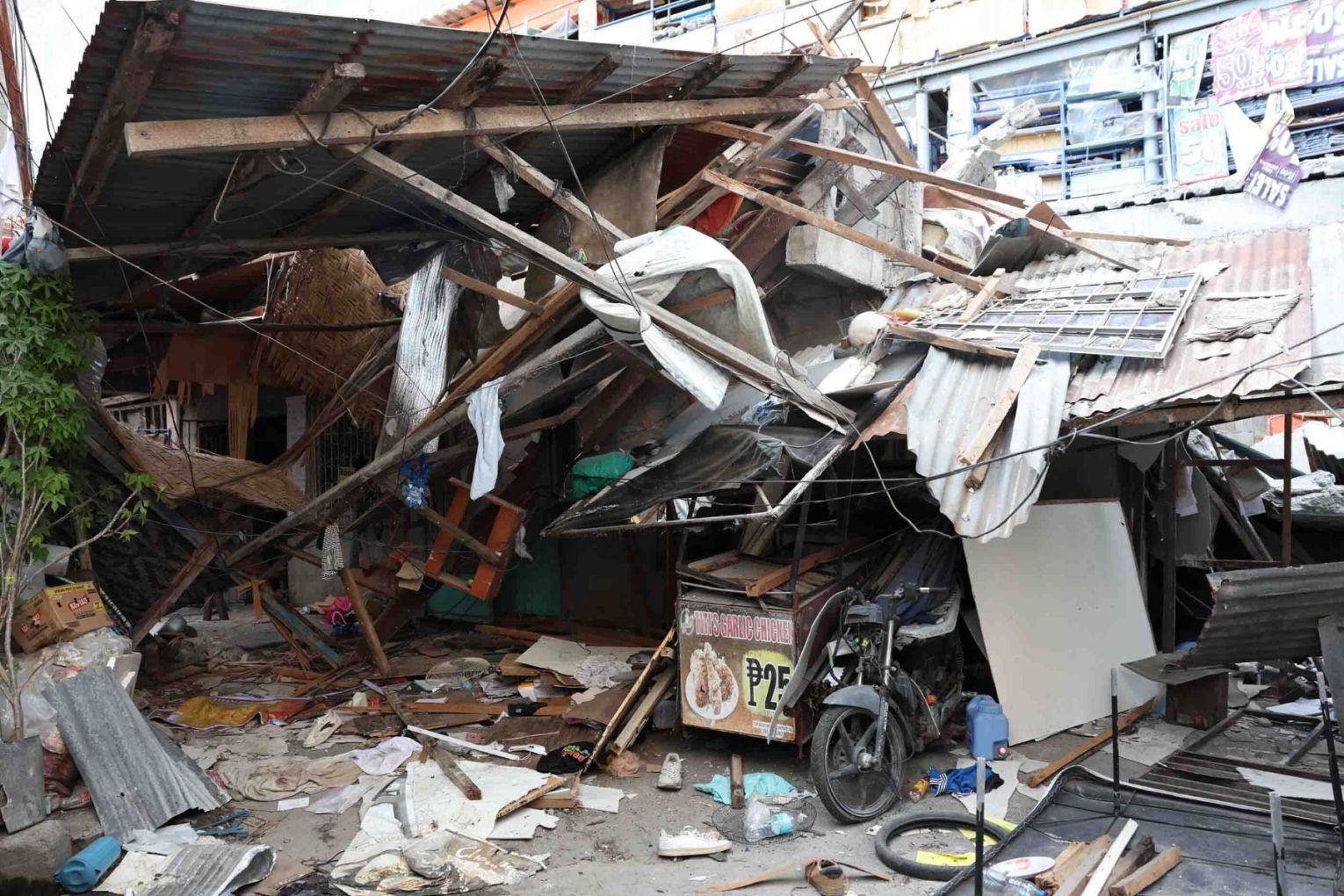
Rescuers are searching ruined buildings in the southern Philippines to ensure no one is still trapped after one of the strongest earthquakes to hit the country in a half-century killed at least 45 people and displaced more than 32,000.
Authorities on Wednesday raised the death toll to 45 and the number of missing to 17 following the magnitude 7.8 earthquake that struck the southern island of Mindanao on Monday, as search and rescue operations continue in the hardest-hit areas.
According to the latest report from the National Disaster Risk Reduction and Management Council, at least 487 people were injured and about 149,000 others affected by the powerful quake, which caused widespread damage to homes, infrastructure and public buildings across several provinces in the south of the archipelago.
The Office of Civil Defense acknowledged several collapsed and heavily damaged buildings must be thoroughly inspected for possible survivors or casualties.
The earthquake injured nearly 500 people and displaced more than 32,000, most of whom fled to emergency shelters.


Many people who left their homes feared a tsunami.
Waves up to 1.4-metres above tide level were measured in the Philippines, but the only tsunami damage reported was to six shanties on stilts in a coastal village. Smaller waves washed ashore in Indonesia and Palau and as far away as southern Japan.
The earthquake left a trail of destruction, including in General Santos, a lively coastal city of more than 700,000 people known as the country’s tuna capital, where at least 13 people were killed in collapsed buildings and due to falling debris.
At least 18 died in Sarangani province, mostly in a landslide that buried houses in the mountainside town of Glan, according to Rafaelito Alejandro of the Office of Civil Defense.
The other deaths were reported in the southern provinces of South Cotabato and Davao Occidental, and on Balut Island, disaster response officials said.
About 2500 houses and 117 government buildings and facilities were damaged in several provinces, according to an initial government damage assessment. The international airport in General Santos remained shut for a second day, forcing the cancellation of 63 domestic flights except for those on humanitarian missions.
Stay informed, daily
About 6000 public school buildings in quake-hit provinces must be assessed before classes can resume. The quake struck on the first day of classes nationwide after a two-month summer break, and many who sustained injuries were young students who had gathered with excitement for morning flag-raising ceremonies.
Authorities have warned that buildings that sustained cracks could collapse due to aftershocks, some of them dangerously powerful.
The Philippines lies along the Pacific Ring of Fire, one of the world’s most seismically and volcanically active regions, where thousands of earthquakes occur each year.
– with EFE
Want to see more stories from InDaily SA in your Google search results?
- Click here to set InDaily SA as a preferred source.
- Tick the box next to "InDaily SA". That's it.