Old bank sold as National Trust looks to offload SA properties
The state’s heritage watchdog is taking a close look at its 82-property portfolio, with its boss saying “this has become a very big responsibility for the organisation”.
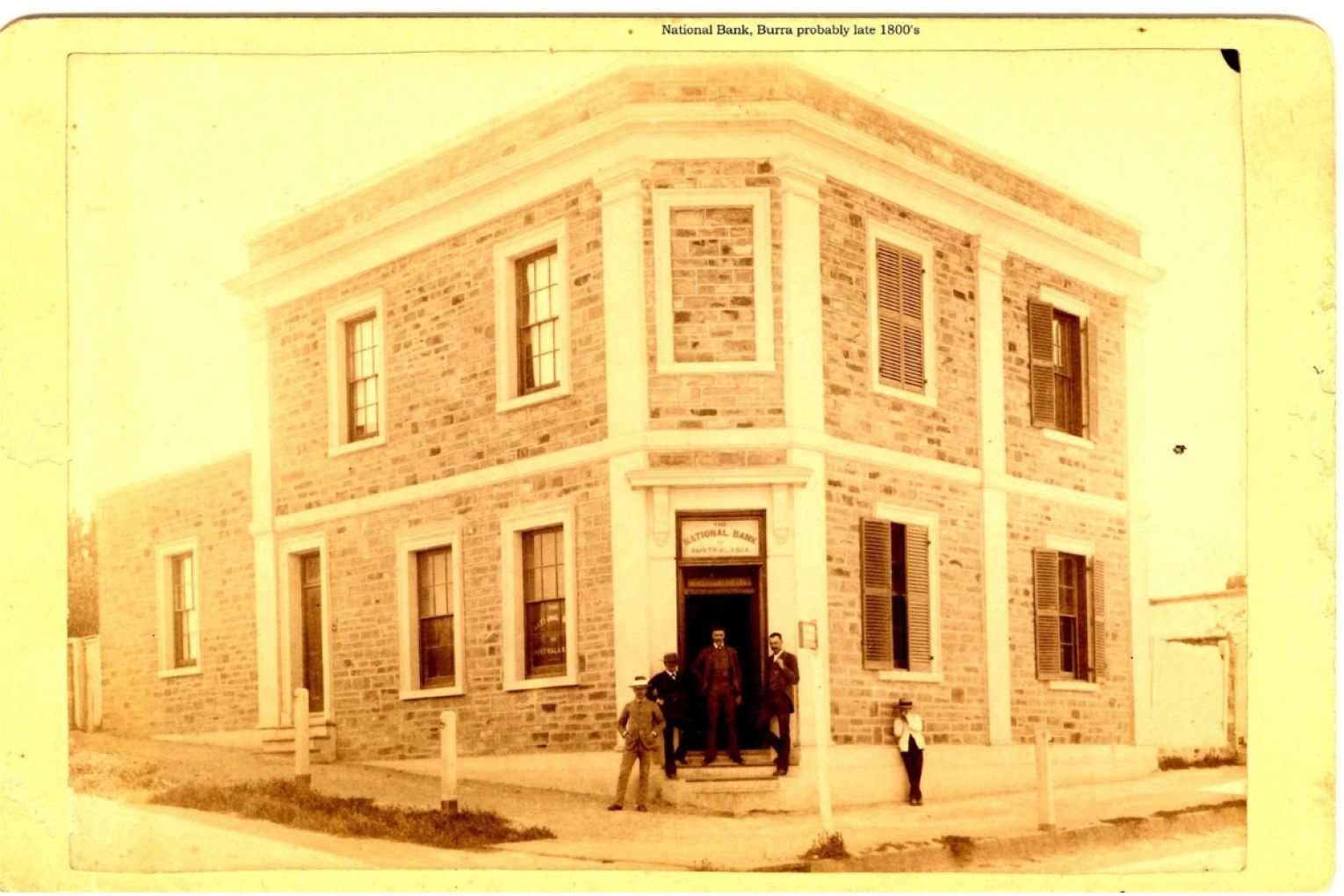
The National Trust of South Australia has sold the former, 19th-century National Australia Bank (NAB) building in Burra to the Regional Council of Goyder, with the building set to become a visitor information centre as part of a World Heritage bid for the historic copper mining town.
Asked if the National Trust of South Australia was looking to sell other properties, Trust CEO Nicolette Di Lernia said that the non-profit was considering putting a small number of properties on the market, but no decision had been made yet.
“We are currently reviewing our portfolio – the National Trust of South Australia has a total of 82 properties across South Australia; it has the largest property holding of any National Trust in Australia, and this has become a very big responsibility for the organisation,” she said.
“So, where properties are not intrinsically related to the work that we are doing, then we are considering our options.”
Di Lernia said the National Trust had not identified specific properties at this stage, but that it had no intention of selling off properties run by branches.
She said within the past “five or so” years, about four properties had been sold, including the 19th-century Wellington Courthouse, which the local branch no longer had “the capacity to run”. It is now operated as holiday accommodation overlooking the River Murray.
Di Lernia said some believed the Burra bank was the first two-storey bank building outside of Adelaide.


The NAB Burra branch opened in April 1859, with the current stone building completed in 1862 by prominent Adelaide architect Edmund W. Wright.
Other notable buildings in South Australia designed by Wright include Adelaide Town Hall, the Adelaide General Post Office, Edmund Wright House and Paringa Hall at Sacred Heart College.
“It clearly shows the prosperity and the aspirations of Burra at the time it was building. So, Burra was a thriving community; it had mining that then segued into a largely agricultural economic base,” Di Lernia said.
“As a former practising architect, it was designed by a notable architect, and it’s a very solid, very substantial building.”
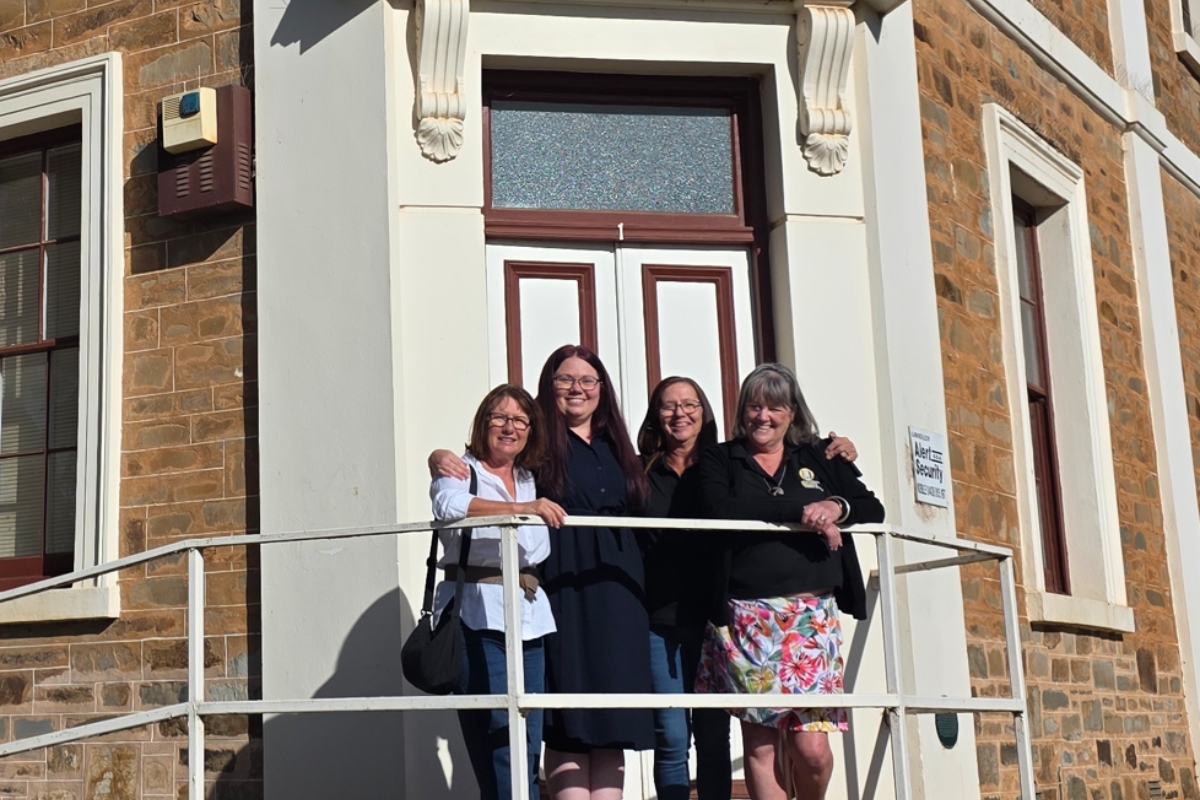
Before closing in 2018, it was the only bank building left in Burra and was later donated to the National Trust, which used the bank as a base for staff involved in a project in the area.
Di Lernia would not reveal the sale figure, but said it was half the value it would have sold for on the open market, saying that selling it to the council meant it would remain in community hands.
She said the money earned would go back to the Trust to undertake work to preserve, protect and promote the state’s heritage.
Stay informed, daily
“The National Trust were not actively using the property, and we think it’s important that buildings remain in active use – it’s the best thing for the buildings and the best thing for the community,” she said.
“We received an off-market offer from Goyder Council, and it was an offer that enabled the property to stay in the public realm and to be used for public use, and we thought that was a good outcome.”
The Goyder council plans to use the building for the Burra and Goyder Information Centre, moving from its existing site at Market Square.
It would also be used for community meetings, workshops, exhibitions and activities.
The council will soon begin “detailed planning” to ensure any works respect the building’s heritage significance while supporting “long-term community and visitor outcomes”.
“This is a building of enormous historical and social significance for Burra, and it is important that it remains in community ownership,” Goyder mayor Bill Gebhardt said.
“The former bank provides a much more suitable location for a visitor information centre, particularly as Burra prepares for increased interest linked to the Australia Cornish Mining Sites: Burra and Moonta World Heritage bid.”
It comes after the Trust controversially took control of the Moonta Mines, the site currently opening with reduced hours and volunteers challenging the intervention in court.
The Cornish mining sites at Moonta and nearby Burra were added to Australia’s UNESCO World Heritage Tentative List in 2024.
When asked about the World Heritage bid for the Burra and Moonta Cornish mining sites, Di Lernia said it was a “very rigorous” process with a preliminary assessment currently underway by the International Council on Monuments and Sites.
She said the result of the bid would be known by October but that the Trust was “quietly confident” about the outcome.
“It would be very disappointing to have invested this much time and money in the bid to have it not succeed,” she said.
“However, the work that we’re doing to prepare for the bid and to execute the bid is going to benefit those areas regardless of whether they get listed or not – it’s actually providing a real uplift to the way in which those sites are managed, interpreted and presented to visitors.”
Want to see more stories from InDaily SA in your Google search results?
- Click here to set InDaily SA as a preferred source.
- Tick the box next to "InDaily SA". That's it.