Spike in SA bird flu as more cases revealed
More native seabirds have been identified as suspected cases of the deadly H5 bird flu after sick and dead birds were found in the state’s south-east.
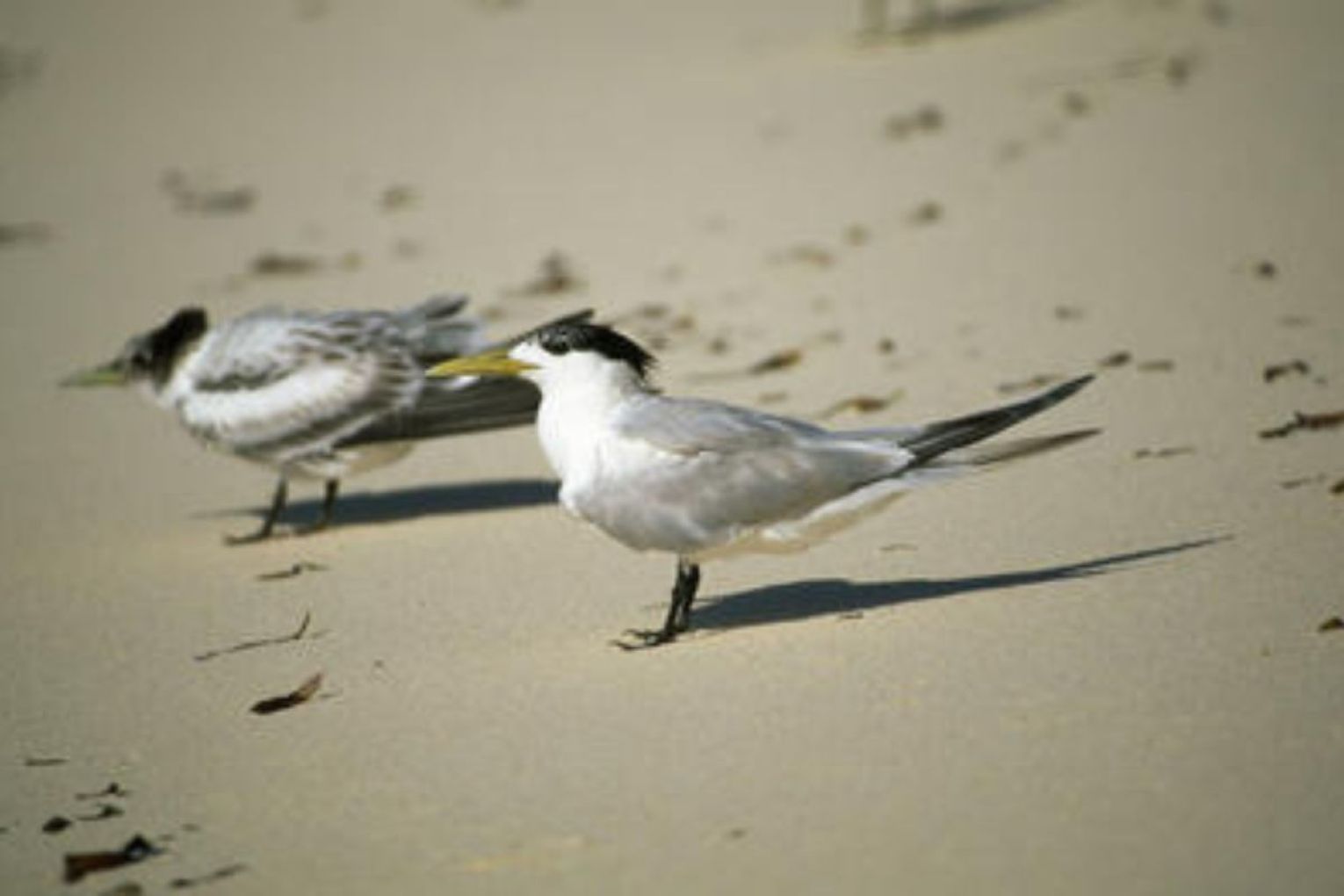
Seven greater crested terns are suspected cases of the H5 bird flu in South Australia after being identified on the Limestone Coast, Primary Industries Minister Clare Scriven reported on Monday.
One detection was in an area at Cape Jaffa, one at Port MacDonnell and five at Southend Jetty near Beachport where four were sick and one was deceased.
The birds were reported to the Emergency Animal Disease Hotline and were collected and sampled by PIRSA, with samples returning suspected detections last night.
Further tests will be completed at the CSIRO’s Australian Centre for Disease Preparedness (ACDP) in Geelong for confirmation. If the tests come back positive, it will take the total number of H5 bird flu detections in SA to 14.


It follows the confirmation of two bird flu cases over the weekend by the ACDP that were initially detected in Semaphore and Robe in the previous week.
To date, there has been no H5 bird flu detections in the poultry industry, captive birds, pets or other wildlife and livestock.
Scriven said while the suspected cases were “concerning”, it was encouraging to see the public take the outbreak seriously by reporting sick wildlife.
“We continue to encourage people to Avoid, Record and Report sick or dead birds and other wildlife to the hotline,” Scriven said.
Primary industries, wildlife carers, observers and the public are continuing to work alongside the state government to stay vigilant in keeping the deadly flu out of the poultry industry and preparing native wildlife.
Stay informed, daily
The announcement has sparked fears from the Invasive Species Council, with policy director Dr Carol Booth saying it was the announcement “conservationists have been dreading”.
“If these cases represent local transmission, we’re entering a very different phase of this outbreak,” Booth said.
“Instead of isolated infected birds arriving on our shores, we’re potentially seeing the virus spreading through Australian wildlife.
“Bird flu is not a disease we can eradicate from wild birds once it becomes established. Our job now is to give Australia’s wildlife the best possible chance of surviving what comes next.”
Want to see more stories from InDaily SA in your Google search results?
- Click here to set InDaily SA as a preferred source.
- Tick the box next to "InDaily SA". That's it.