Newshounds get millions to sniff out fake news
New work is underway to help SA youngsters spot fake news, with a major boost from the state budget.
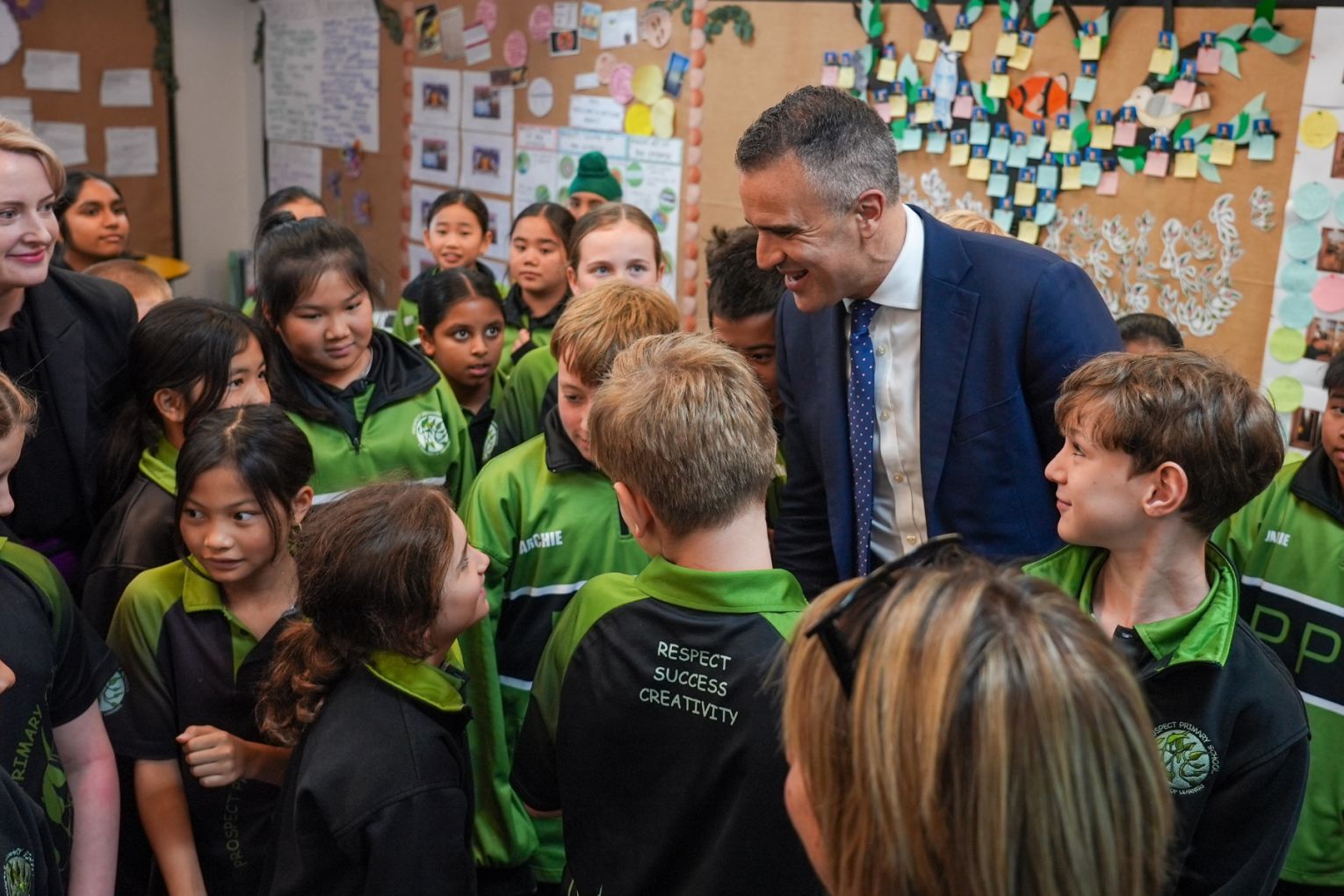
Premier Peter Malinauskas says a $2.6 million four-year programme will help expand a pioneering online media literacy program to every primary school in South Australia.
The program, called Newshounds, was developed by Australian digital publishing company Squiz Media as a collaboration between parents, teachers and journalists concerned about the impact of biased reporting and increasingly sophisticated forms of fake news.
It followed a broader suite of initiatives aimed at helping students develop healthier relationships with social media, including the state government’s push for a national social media ban for children under 16 and the introduction of mobile phone bans in classrooms.
Media literacy is an “essential life skill”, Malinauskas said, adding that it would amount to $650,000 a year.
“It has become just as important to teach children how to spot dangerous disinformation online as it is to teach them to read and write.
You might like

“When people’s ability to discern what is real and what is fake in an online environment… that in turn has a consequence on the functioning of our democratic process.”
“We need to make sure we give young people the tools and resources to be able to navigate the online environment, to ensure that the decisions they make are on the basis of accurate information, rather than deliberate misinformation being spread with an ulterior motive”.
Squiz Media reaches more than 500,000 Australians each month with its news products, including a popular Squiz Kids podcast.
Following feedback from its audience amid growing concerns for online deepfakes and biased media, Newshounds launched as a pilot program in November 2023. Since then, more than 2600 primary school teachers across Australia have signed up to use the free resource in their classrooms.
Stay informed, daily
The program is led by journalist Bryce Corbett, who said that it was designed to encourage curiosity while helping children distinguish between credible and unreliable sources.
“In a digital age, learning to think critically about what they see online is just as important a life skill for primary school kids as reading, writing and arithmetic,” Corbett said.
“The South Australian government has been the first to recognise this, and we’re delighted to be partnering with them in this world-first educational initiative.
“Kids today have more information coming at them than at any point in history. What they don’t have is… the ability to seperate online fact from fiction”.
In the Newshounds program, students navigate a maze-like version of the internet, guided by Squiz-E the Newshound, a cartoon detective dog who helps them identify fake news and misleading content with a simple mantra; ‘Stop. Think. Check.’
Education Minister Lucy Hood said that the statewide rollout was an “important measure to help [students] navigate the fast-evolving digital world”.
“More information than ever is coming at our students from sources that require a critical lens, highlighting the power of media literacy to separate fact from fiction,” Hood said.
“This course is about giving kids the tools that they need to be able to understand the world that they will be growing up in”.

Want to see more stories from InDaily SA in your Google search results?
- Click here to set InDaily SA as a preferred source.
- Tick the box next to "InDaily SA". That's it.