We need to get the plaque out of here…
It’s all too easy to live for the moment, not the future – blissfully unaware of the long-term consequences of habits, diets and lifestyle choices. Decades later, many Australians are discovering that the choices of the past can come with an unseen cost, one that often reveals itself without warning.
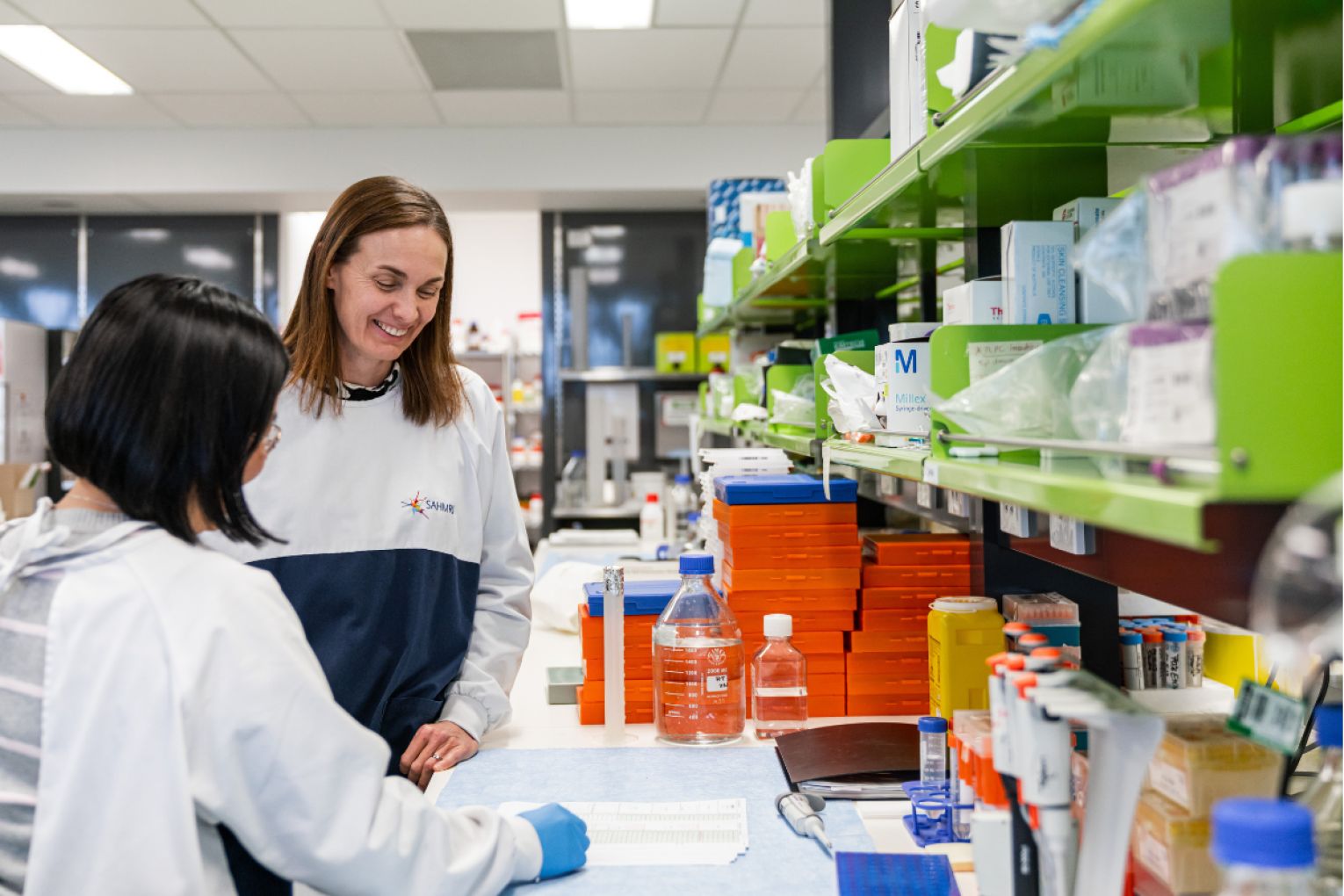
Australia’s biggest killer builds up quietly over time and can strike without warning.
It’s the build-up of fatty plaque in the arteries causing them to narrow and harden, called atherosclerosis – and it’s a common factor in coronary heart disease, stroke and dementia, the trio responsible for taking the lives of almost 50,000 Australians each year.
Longevity is the primary risk factor for atherosclerosis. As we become better at treating other ailments and helping people live longer, it perversely results in greater opportunity for plaque to accumulate, calcify and narrow the arteries that feed blood to our vital organs.
Bad genetics and modern lifestyle also contribute, the latter through rich diets, smoking, sedentary behaviour and obesity.
While these risk factors are generally known, there’s a lot that’s not known about why this disease happens
The bad news is most mature Australians, particularly those over 60, have some degree of atherosclerosis. You might be living with it right now.
The good news is brilliant scientists at SAHMRI’s Vascular Research Centre, led by Professor Peter Psaltis and Professor Christina Bursill, are uncovering previously unknown drivers of atherosclerosis and developing potentially lifesaving interventions to safely locate and reduce this arterial sludge, lowering the risk of heart attacks, strokes and other related diseases.
You might like

They’ve made some extraordinary advances – creating the first detailed maps of plaques within arteries and monitoring their response to treatments, discovering a unique stem cell that can hasten healing, finding a new application for an ancient drug that’s effective in inhibiting plaque growth, and producing completely new therapies using nanoparticles. It’s globally important work.
Collectively, this new knowledge being developed by SAHMRI scientists holds immense promise in the fight against atherosclerosis and the opportunity to live healthier for longer.
Consider nanotechnology – the science of really, really tiny things.
Professor Bursill and her team have engineered a nanoparticle that is 20 nanometres in size – so small, you could fit an incredible 250 billion on a single pinhead.
Think of it like a microscopic courier capable of being loaded with genetic material programmed to destroy plaque-forming cells and proteins, or drugs that can be delivered directly to the source to provide targeted treatment while minimising unwanted side effects.
This nanoparticle could revolutionise how we treat atherosclerosis, by carrying plaque-busting treatments right into the plaque itself. It makes a beeline to sources of inflammation, sucks the fatty material out of arteries, and transports these harmful fats to the liver for processing.
It’s a brilliant example of what’s known as precision medicine, which seeks to focus treatments on just the area of concern, rather than the whole body.
Meanwhile, Professor Psaltis and his team recently made the world-first discovery of an entirely new cell type first theorised to exist more than a century ago, that likewise holds enormous potential in precision medicine.
Dubbed EndoMac progenitors, these stem cells possess the unique ability to develop into two types of cells: endothelial cells that form blood vessels, or macrophages responsible for immune defence and tissue repair.
They are activated by injury or poor blood flow, at which point they rapidly expand to aid in healing. Ongoing research is examining whether scaling them up could promote healing or scaling them down could dampen atherosclerotic plaque or help fight cancer.
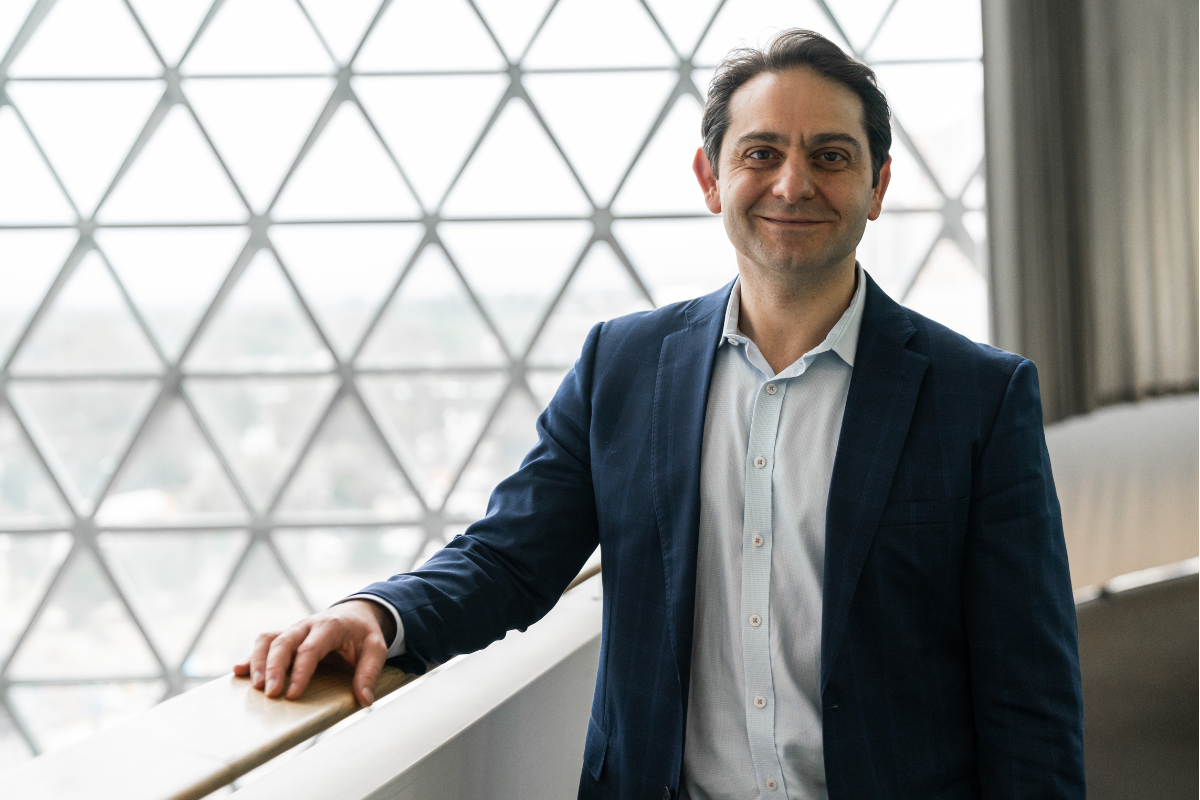
SAHMRI scientists are at the forefront of global efforts to stop atherosclerosis in its tracks. They’re working every day to translate discoveries in the lab into tangible, lifesaving interventions for the community, and they need your help to speed up the progress.
As a not-for-profit research institute, SAHMRI’s research funding isn’t guaranteed. Grants can be short lived, conditional and disjointed.
It means SAHMRI relies on donors to realise the full potential of its life-saving work.
Every donation is invested in research that benefits you, your family, your friends and countless others across Australia and around the world.
Your tax deductible donation could be the catalyst for a new project, secure essential lab equipment, support a dedicated researcher or drive a clinical trial.
Whether it’s a one-off donation or an ongoing contribution, a gift in memoriam or a bequest in a Will, every dollar brings us a step closer to creating the healthier future we all want to be a part of.
We can’t turn back the clock but we may be able to dial back the damage. With your support, the life you help save could be yours or your loved ones.
Find out more about how you can support SAHMRI’s research to get the plaque out of here.
Want to see more stories from InDaily SA in your Google search results?
- Click here to set InDaily SA as a preferred source.
- Tick the box next to "InDaily SA". That's it.