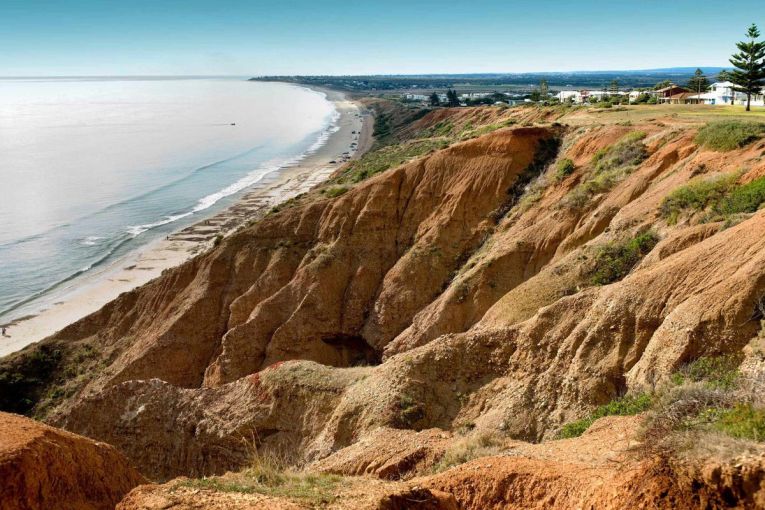
Fears freshwater fish face mass extinction at Coorong
Freshwater species could face mass extinction in the next 10 years without a ramped-up effort to save them, a researcher involved in reintroducing the Murray crayfish to the Lower Lakes has warned.
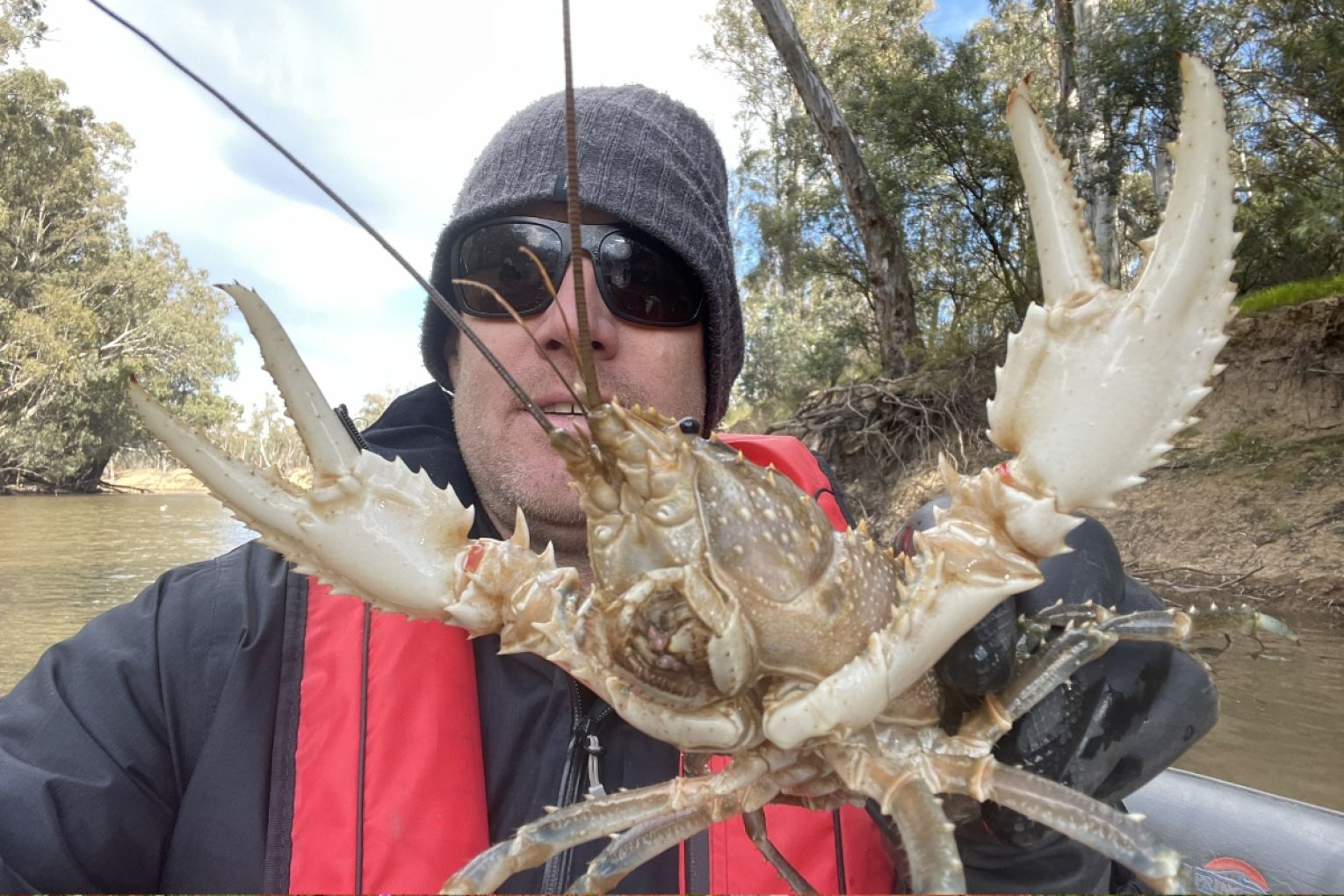
Scientist Dr Nick Whiterod has warned that many threatened species in the River Murray and the Coorong face extinction in the next decade unless they receive urgent support.
“This isn’t just waving hands and saying we should be spending more money on threatened species. There’s potential in the coming decade or decades that we will be losing a considerable number of species,” Whiterod, a science manager based at the Coorong, Lower Lakes and Murray Mouth (CLLMM) Research Centre in Goolwa, said.
Whiterod has been researching freshwater crayfish and fish – some 75 per cent of which are only found in Australia – for 26 years.
He feared many freshwater fish and crayfish were in dire straits after what he called a lack of funds in the federal budget for threatened species.
Occurring throughout the southern Murray-Darling basin, the Murray crayfish has declined in numbers and was nationally listed as vulnerable in March last year.
“Once the species is listed as critically endangered through the national or state legislation, that essentially implies that there’s a 50 per cent chance that the species will be lost within the next 10 years,” Whiterod said.
In South Australia, Whiterod’s research focuses on the Coorong Lower Lakes and Murray Mouth regions, where many of Australia’s 56 spiny crayfish species live.
You might like


There were numerous reasons species were suffering, Whiterod said, including an overall decline in the quality of freshwater ecosystems, with poorer oxygen levels leading to higher mortality.
Other negative impacts included an increasing amount of salt in freshwater, he said, which has led to changes in how species breed, as well as changes in water flow and droughts, leading to the disappearance of habitat.
Another concern was climate change, which was introducing viruses and diseases, as well as making conditions amenable to predatory, invasive species such as carp and Redfin Perch, Whiterod said.
“There have been a whole bunch of threats – so, commercial fishing, recreational fishing, changes to the flow of water, and it’s in trouble,” he said.
Whiterod has been involved in efforts by groups like Nature Trust Glenelg, the Ngarrindjeri Aboriginal Corporation and the Department for Environment and Water to reintroduce species into the former habitats, and has seen success in bringing the Murray crayfish and Southern Pygmy Perch back to the Lower Lakes region.
The Southern Pygmy Perch was decimated by the millennium drought, but after being reintroduced 15 years ago to the area, it was now thriving.
Nature Glenelg Trust said it had reintroduced 200 adult and approximately 400 juvenile crayfish into South Australian waters over the past three years as part of a five-year project, with surveys indicating success.
However, Whiterod said many of these species were unknown to the public, meaning “they are slipping through the gaps in terms of our funding and awareness”.
Stay informed, daily
“Of the money that is allocated to threatened species, it is often for iconic animals that people think are a bit more charismatic, like koalas,” he said.
“If you are dealing with freshwater species, it’s often your big, iconic Murray cod and the like that get funding.”
Whiterod said it was hard to make accurate estimates on the total number of an individual underwater species, but that crayfish numbers can vary from hundreds to thousands or tens of thousands.
For the Murray crayfish, a blackwater event during the River Murray flooding in 2022 and 2023 – when flooding washes organic material into waterways, causing a lack of oxygen in water – led to an estimated overall decline in population of 80 per cent.
Whiterod said the loss of species caused a significant impact on ecosystems, with the Murray crayfish playing an important role as an “ecosystem engineer”.
“They (Murray crayfish) push things around, and they consume bits of wood and rotting meat. They have these functions in those ecosystems that are critically important to the overall ecosystem and how it persists through time. So, losing these species is really, really concerning,” he said.
It was not only the environmental implications, but also the cultural impact of losing species, particularly for First Nations communities, that was of concern, Whiterod said.
A spokesperson for the Department of Primary Industries and Regions (PIRSA) said that “to assist in mitigating against aquatic diseases (including viruses) … [PIRSA] investigates fish kill events to help determine the underlying cause and confirm if the incident is environmental or disease-related”.
“Where disease is found to have caused mortalities, PIRSA will lead an appropriate response to control the disease and prevent further spread,” the spokesperson said, adding that PIRSA is part of the national Carp Biological Control Program.
The PIRSA spokesperson said Redfin Perch and European Carp are declared noxious species under South Australia’s Fisheries Management Act, saying commercial and recreational anglers are required to humanely kill and dispose of them in a land-based container away from water.
A Department for Environment and Water said it “works to protect the ecological character of the River Murray and Lower Lakes by optimising delivery of water for the environment and investing in infrastructure and restoration strategies to improve and support the health of the system”.
“Water delivery to SA is planned for later this year to promote the breeding and recruitment of native fish species, including Murray cod and golden perch. Deliveries in spring and early summer are most effective in supporting these species,” the spokespersons said.
“In addition, full implementation of the Murray-Darling Basin Plan, as well as an increase in the delivery to South Australia of Commonwealth-held environmental water, is required to address the impact of salinity and water flow changes on the habitat and health of freshwater fish species and crayfish – particularly during drought periods when these habitats are highly vulnerable.”
Want to see more stories from InDaily SA in your Google search results?
- Click here to set InDaily SA as a preferred source.
- Tick the box next to "InDaily SA". That's it.