‘Butchers, bakers and tolerance’: SA German Club gets its schnitty on
A multicultural group founded in 1886 will have its clubrooms overhauled – with members saying they understand how migrants of non-British backgrounds enrich our state.
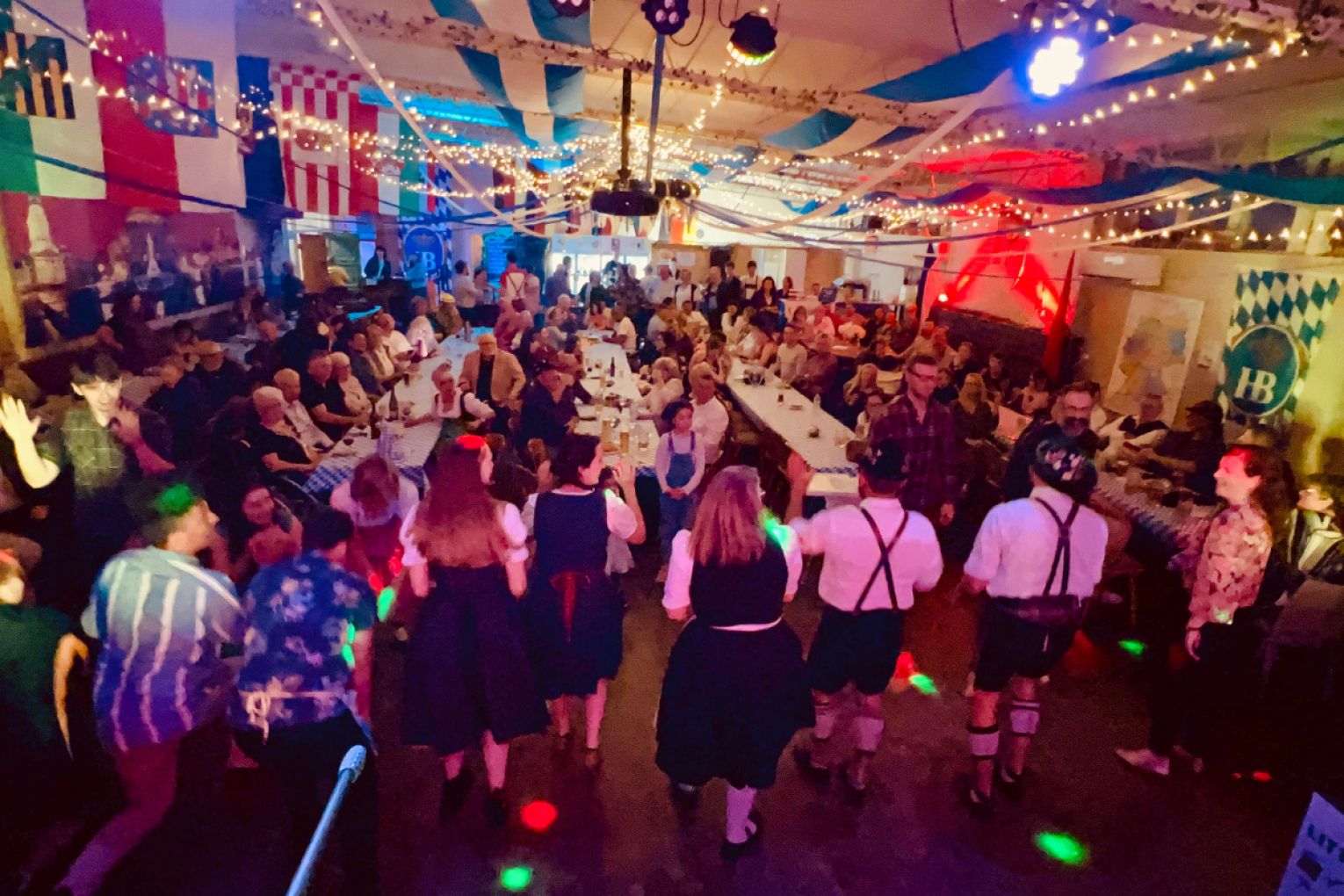
Growing membership and a $1.3 million overhaul of South Australia’s German Club headquarters in Brooklyn Park will have more people saying “prost” to schnitzels and events like its traditional Christmas Market.
The association started in 1886 and was originally housed in the city’s Flinders Street clubrooms, before moving into its current and tired-looking Brooklyn Park headquarters in 2019.
Today the club has more than 300 members and cooks about 5,000 traditional German meals each year.
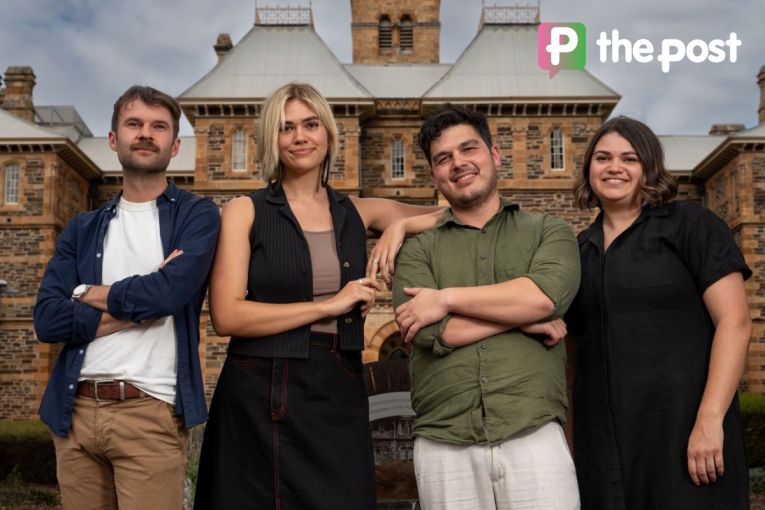
Association vice president Brigitte Olijnyk said it was not only German club members who were excited about work starting on a new kitchen and improvements to the main hall, entrance, exterior and the creation of three indoor spaces starting in May.
“Part of this upgrade enables us to have, in the end, three indoor spaces, at the moment we only have one. This increases our functionality, and the number of people, groups, and multicultural groups who can come and use the facility. It will become sort of like a multicultural hub,” she said.
You might like

This included groups like the Adelaide Accordion Orchestra, an under 5s playgroup, German Community Services that provide meals, social support and outings – and even a German Dancing Group.
“I think we’re all about inclusiveness, and we have people from all walks of life and all cultures coming to our club. You know, quite often, you’ll hear about a group of Italians breaking out in song, it’s not exclusively German. So I think there’s a strong sense of community, and we embrace multiculturalism. I think it’s important that we do this in this country.
“We just focus on what we do, and that is to have a welcoming environment where anyone can come and have a good time.”
German migration in South AustraliaThe first German settlers arrived in South Australia in 1838. Key places for German migration included Hahndorf and the Barossa Valley. Other towns founded include Klemzig, Lobethal, and Tanunda. German migrants made enormous contributions to SA’s agriculture and wine industries. Life for Germans in SA during both World Wars was difficult, with strong anti-German sentiment leading to 69 South Australian place names being changed. Many, such as Birdwood (Blumberg), Verdun (Grünthal), and Peterborough (Petersburg) never had their old names reinstated. In 2021, 11.2 per cent of Adelaide Hills Council’s population nominated German as one of their ancestries, 6.7 per cent in Greater Adelaide. |
Stay informed, daily
This includes the upcoming Maifest on May 9 that is similar to an Oktoberfest with a Glüehwein (mulled wine) and Schnapps bar, German food and cakes along with best-dressed and strong arm contests.
Club member and former president Dr Ian Harmstorf OAM said the association’s fundraising and member numbers were on the rise and SA’s German community was foundational for the multicultural society that exists in SA today. Harmstorf’s own forebears arrived from Hamburg in the 1880s.
“I think South Australia has always been a leader in multiculturalism. If you ask anybody in the multicultural world, they would agree with this [and] because of the German presence in South Australia, we’ve always had a wide range of food.”
“There’s always been German butchers. There’s always been German bakers here in South Australia. So this has given South Australia a real lead in multiculturalism. Many people would say we still have a lead, we still have a tolerance and an understanding of people of non-British backgrounds that are able to contribute to and enrich our society.
“What the German club is doing is catering for a group of people that want, and one might almost say need, this cultural attachment. And I think the fact that they have a very vibrant committee at the moment is attracting more people to join again after a downturn about 15 years ago.
“The fact that the German clubs still exists and is able to keep promoting these German customs and traditions from long, long ago is important in the rich culture and heritage of South Australia.”
Completion of the development is expected sometime in 2027.
Want to see more stories from InDaily SA in your Google search results?
- Click here to set InDaily SA as a preferred source.
- Tick the box next to "InDaily SA". That's it.