‘Very disappointing’: Aged care provider on rejected Rose Park high-rise
An aged care provider is considering court action after its controversial high-rise in the eastern suburbs was refused planning consent last week.
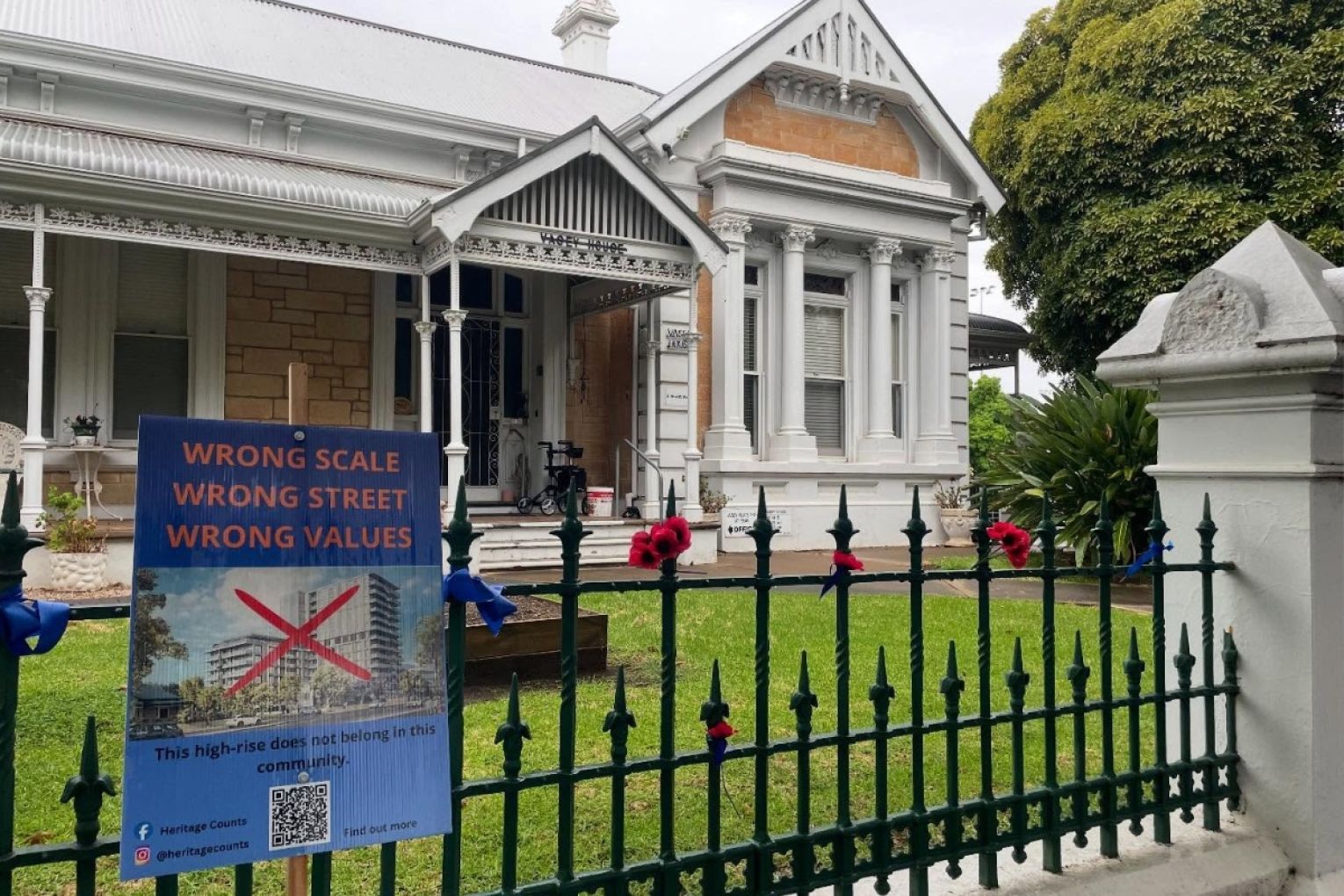
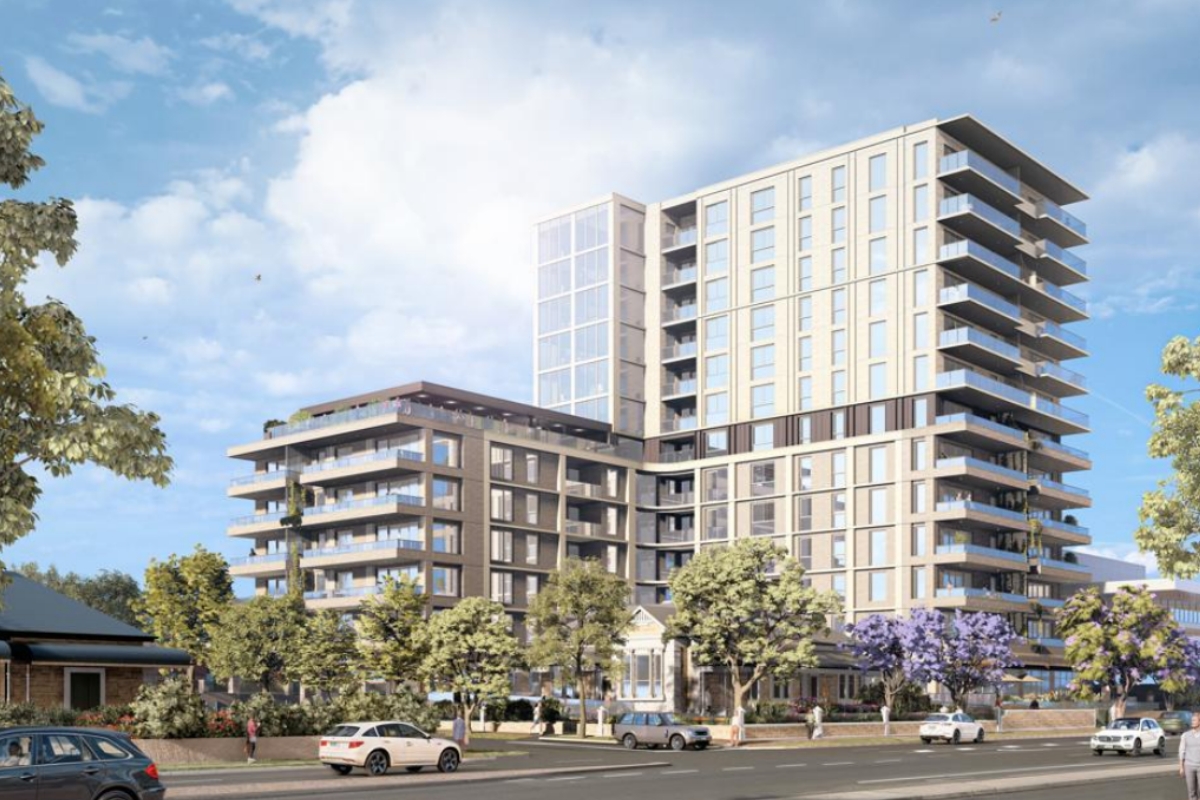
Aged care provider ACH Group saw its 13-storey high-rise plan for the eastern suburbs rejected by the state’s peak planning body last week, with the panel saying it was too high for the historic city fringe suburb of Rose Park.
The plan to build 72 retirement living bedrooms on the site was rejected after numerous objections among around 220 submissions, with some claiming the legacy of the historic War Widows site on Fullarton Road was “at risk”.
An ACH Group spokesperson said the development was meant to meet growing demand for high-quality housing options for older people, and it was “a particularly disappointing outcome”.
A planning document prepared in December 2025 by Future Urban summarised the ACH Group development as “partial demolition of Local Heritage Place, construction of a multi-level retirement facility, including a basement, erection of perimeter fencing, solar panels and removal of a significant tree”.
New residents would have had access to a restaurant, a club lounge, a health hub and swimming pool, a cinema room and a billiards room – and the 13-storey retirement living high-rise was supported by the state government’s architect.
Future Urban stated that, “[b]ased on our assessment, we have formed the view that the proposed development is not seriously at variance with the Code and reasonably satisfies the relevant policies to warrant the granting of planning consent”.
Burnside Council CEO Julia Grant welcomed the SCAP decision and said that while the council supported retirement living as an appropriate land use for the site, it opposed the intensity and scale of the proposal.
You might like


‘The scale of the development represented a clear overdevelopment of this location and a lack of consideration of nearby residents,’ Grant said.
In addition, the proposed development did not adequately reflect the heritage values of the War Widows legacy, she claimed.
The site of the development includes Vasey House, a Local Heritage Place and was owned by the Australian War Widows (formerly known as the War Widows’ Guild) since 1963. It was named in honour of Mrs Jessie Vasey, the guild’s founder and inaugural president. It had previously been used to house widows of deceased soldiers and for the guild’s activities.
“Council had raised serious concerns about the intensity, height and scale of the approved development, its impacts on adjacent established neighbourhoods, local traffic and parking conditions, and the setting of the local heritage listed Vasey House,” Grant said.
A spokesperson for ACH Group said the State Commission Assessment Panel (SCAP) decision was “a particularly disappointing outcome” and that “we will now take the time to reflect and consider options as part of our unwavering commitment to supporting good lives for older people”.
This included the possibility of lodging a review of the decision to SCAP, lodging an appeal in the Environment, Resources and Development Court or resubmitting revised plans to SCAP.
“The proposed development was designed to address the growing demand for high-quality housing options for older people at a time when this has never been more urgent in South Australia to relieve pressure on our housing and health care systems,” the spokesperson said.
Stay informed, daily
The spokesperson said ACH Group has a “long-standing relationship with the former Australian War Widows of SA, now known as Families of Veterans Guild, and “deeply respect their heritage and personal connection to Rose Park”.
“For almost two years, we have worked closely with war widows and residents to listen and understand what matters most to them,” she said.
“We have, and continue to, provide individual support to help people relocate, with two of the three war widows now having chosen their new homes. We are also supporting the war widows to continue to meet and connect at Rose Park.”
The East Residents Association led the campaign against the development.
In a statement, Families of Veterans Guild said that “we are very disappointed that South Australian war widows are being used, without their consent, as part of the East Resident’s Group (sic) campaign in Rose Park”.
“We recognise this new development is necessary because existing facilities are no longer suitable for the evolving needs of older residents, including the war widows who reside there,” they said.
Last Wednesday, the SCAP refused to grant planning approval, finding that although “not at serious variance” with the Planning and Design Code, the development’s height “does not positively respond to the local context”, which is characterised by historic, low-rise buildings.
Bragg MP Jack Batty, who said he formally objected to the development at SCAP on behalf of his constituents, said it was “threatening the War Widows’ legacy” and “Rose Park’s irreplaceable heritage”.
The City of Burnside also made a representation, with council CEO Julia Grant welcoming the SCAP decision to refuse planning consent.
“Council had raised serious concerns about the intensity, height and scale of the approved development, its impacts on adjacent established neighbourhoods, local traffic and parking conditions, and the setting of the local heritage listed Vasey House,” she said.
East Residents Association spokesperson Libby Beath said the group was “not opposed to development of the War Widows site per se, and we recognise and support the growing need for additional retirement living in Adelaide”.
“We remain open to constructive dialogue and would welcome the opportunity to engage further with ACH to help achieve a development outcome that is respectful of the site’s heritage, and acceptable to all parties involved,” she said
Want to see more stories from InDaily SA in your Google search results?
- Click here to set InDaily SA as a preferred source.
- Tick the box next to "InDaily SA". That's it.