Car-pooling, WFH amid possible fuel crisis steps
Disruptions to fuel supplies are expected to soon impact supermarkets, with state and territory officials preparing for another national cabinet on the issue.
Australia’s fuel crisis will be the subject of emergency talks between state and federal leaders next week, with a range of rationing measures potentially being considered to ease demand for petrol and diesel.
Car-pooling, working from home and public transport discounts will all reportedly be canvassed at a second national cabinet meeting on Monday.
Opposition leader Angus Taylor declared on Thursday that the government needed to focus on directing fuel stocks to sold-out service stations.
“Pick up the phone, speak to the companies, tell them to move the fuel to where the servos are sold out,” he told Nine’s Today program.
Labor has long argued complex petrol and diesel supply chains mean it will take time for extra fuel from the nation’s emergency reserves to flow to where it’s needed.
But opposition defence spokesman James Paterson said that was a cop-out.
You might like


“I don’t think Australians will accept that, and nor should they,” he told reporters in Canberra on Thursday.
”We’ve been through similar crises like this before,” including the Ad Blue crisis earlier this decade when Chinese exports clamps triggered a severe shortage of urea, a key ingredient for diesel exhaust fluid, Paterson said.
Energy Minister Chris Bowen has left the door open to measures aimed at driving down fuel demand, including encouraging people to work from home and increasing levels of E10 in petrol.
It was no longer a question of if, but when, higher costs will flow through to consumers, supply chain management and logistics expert Elizabeth Jackson said.
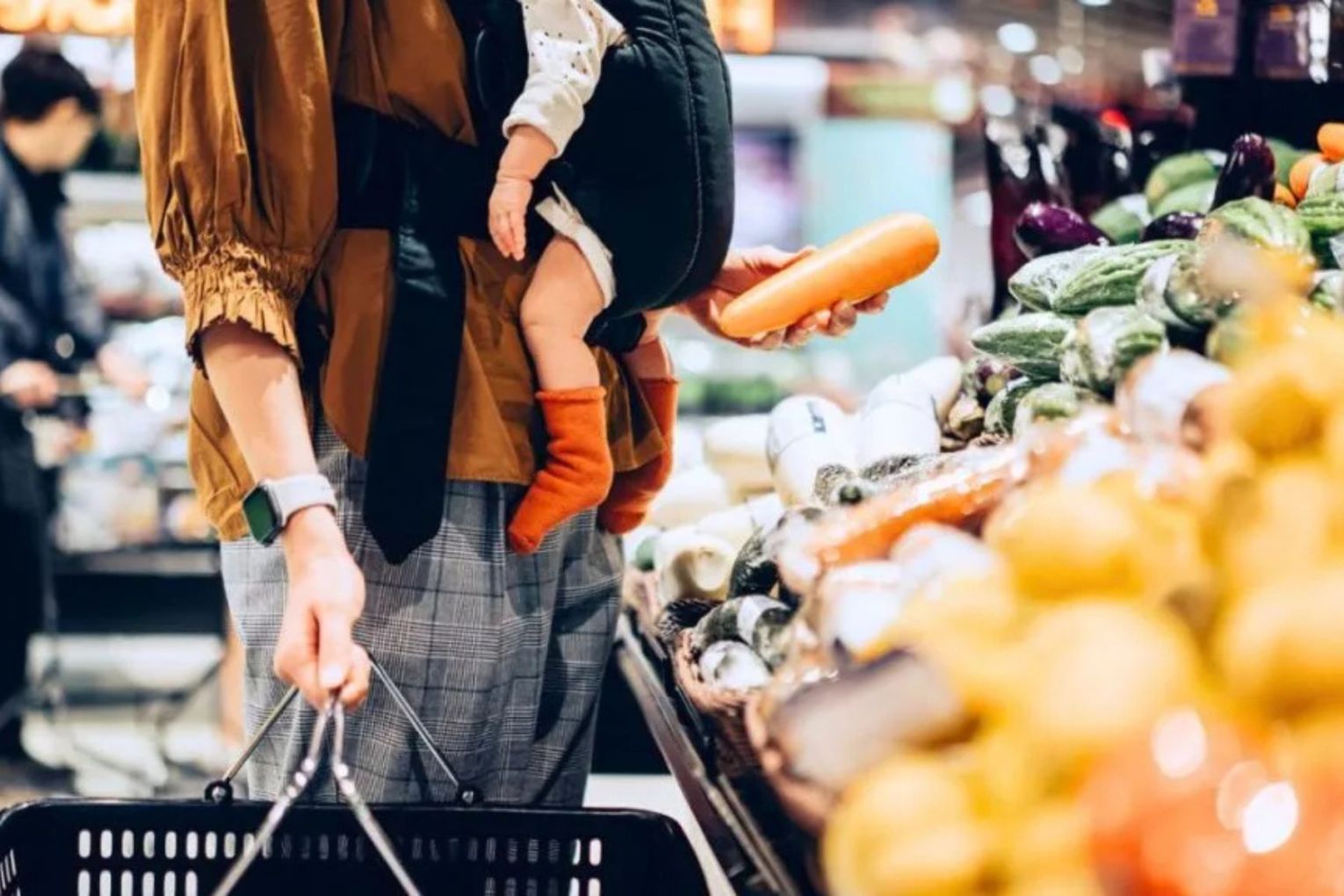
“Every kilojoule of food that comes from an Australian farm is moved by a diesel-powered vehicle,” Jackson said.
Stay informed, daily
“Even the most basic of foods – fresh fruit and vegetables that don’t go through any sort of processing – right through to the most processed exported foods, are dependent upon transport systems.
“They are also dependent upon diesel for their manufacture in terms of mechanisation that goes into food production, like tractors.”
Price rises are likely to begin with fresh produce because of its constant need for transport.
Increases were possible within two to three weeks, with a “slow burn” most likely rather than one sudden spike.
“The fresher the produce, the quicker we’re going to see the prices increase,” Jackson said.
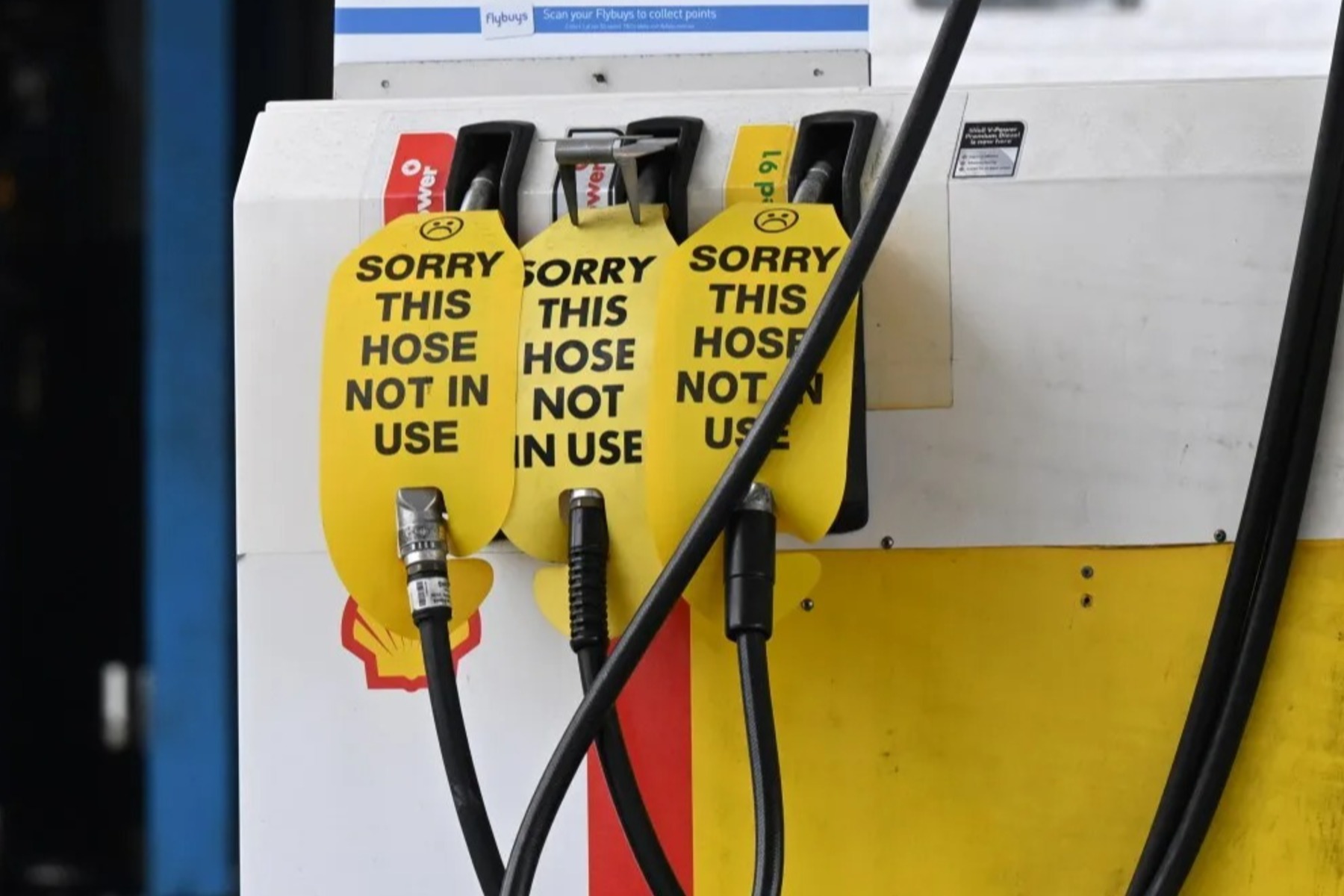
Almost 500 petrol stations around the country are out of at least one grade of fuel, Bowen revealed in parliament on Wednesday.
Jackson said the situation underscored the need for stronger fuel resilience in Australia, including greater investment in alternative energy sources such as biofuels, rather than continued reliance on fossil fuels.
In the short term, she said governments were limited in how much they could intervene beyond managing supply.
Coles said it would review how much it was paying companies transporting food and groceries to its stores more frequently.
The supermarket giant did not say whether this would lead to an increase in prices for shoppers.
“We will be temporarily increasing the frequency that we review the fuel component of our freight rates from monthly to twice per month – so that changing fuel costs are reflected more quickly and fairly,” a Coles spokesperson said.
“In the current climate, this means transport providers will be able to recoup more of the rising fuel costs.”
-with AAP
Want to see more stories from InDaily SA in your Google search results?
- Click here to set InDaily SA as a preferred source.
- Tick the box next to "InDaily SA". That's it.