Fifty social services in SA funding plea
More than 50 social services have joined forces to voice fears for their futures after a damning report showed SA is the second worst in the nation for funding the needy.
Uniting Communities, Australian Red Cross, Anti-Poverty Network are among numerous services to have signed a call from the state’s peak social services body for major parties to immediately boost funding to cover rising costs after March’s state election.
The South Australian Council of Social Service (SACOSS) has rallied 50 signatories to pressure parties ahead of the state election, with service providers across child and family support, youth services, financial counselling, community and mental health, housing support, addiction help, disability and First Nations support services.
The community services coalition is calling on the major parties to commit to an immediate funding boost to cover rising costs from the last year and to adopt a new indexation formula to cover future rising costs.
“Unlike ordinary businesses, community service organisations can’t just pass on these cost increases to customers, and we don’t have a profit margin to absorb higher costs,” the joint statement said.
“Without such a commitment, we fear for the viability of community service organisations and the quality and continuance of the delivery of our vital services.”
It comes after recent funding calls went unaddressed, according to SACOSS, who say a damning report last year revealed SA’s public sector indexation funding was the second lowest in the country in 2025.
You might like


The report, published in October 2025 also found SA Government funding for community services had fallen 3.6 per cent in the past four years.
SACOSS CEO Dr Catherine Earl said the organisation asked for additional funding for all community services via indexation supplementation in the state government’s Mid-Year Budget Review (MYBR) in December but failed to win new dollars.
“Behind the sector’s concern about increasing costs is the knowledge that vulnerable South Australians may have services curtailed or cut entirely unless an incoming government moves to life funding to appropriate levels,” Earl said.
“They are having to choose to reduce the frequency or breadth of their services, or to reduce the hours of staff, all to ensure the least amount of impact on the people they are supporting.”
“We have heard a mental health service having to divert resources to fundraising, and a regional service provider saying that have less capacity to plan and focus on service improvement. That translates to longer waiting lists and fewer opportunities for early support.
“These challenges will still be there on the 22nd of March and we need whoever is in government to step up and work with us to address them.”
Stay informed, daily
A state government spokesperson said the government committed to a review of indexation arrangements for the not-for-profit sector in 2025.
“The government recognises the role of the community sector in delivering essential services that improve the lives of South Australians,” he said.
“The government last year committed to a review of indexation arrangements for the not-for-profit sector, and to review service planning and design to ensure deliverables and funding amounts reflect the true cost of service delivery.
“This review remains ongoing and will be considered in due course by whoever forms government after the March state election.”
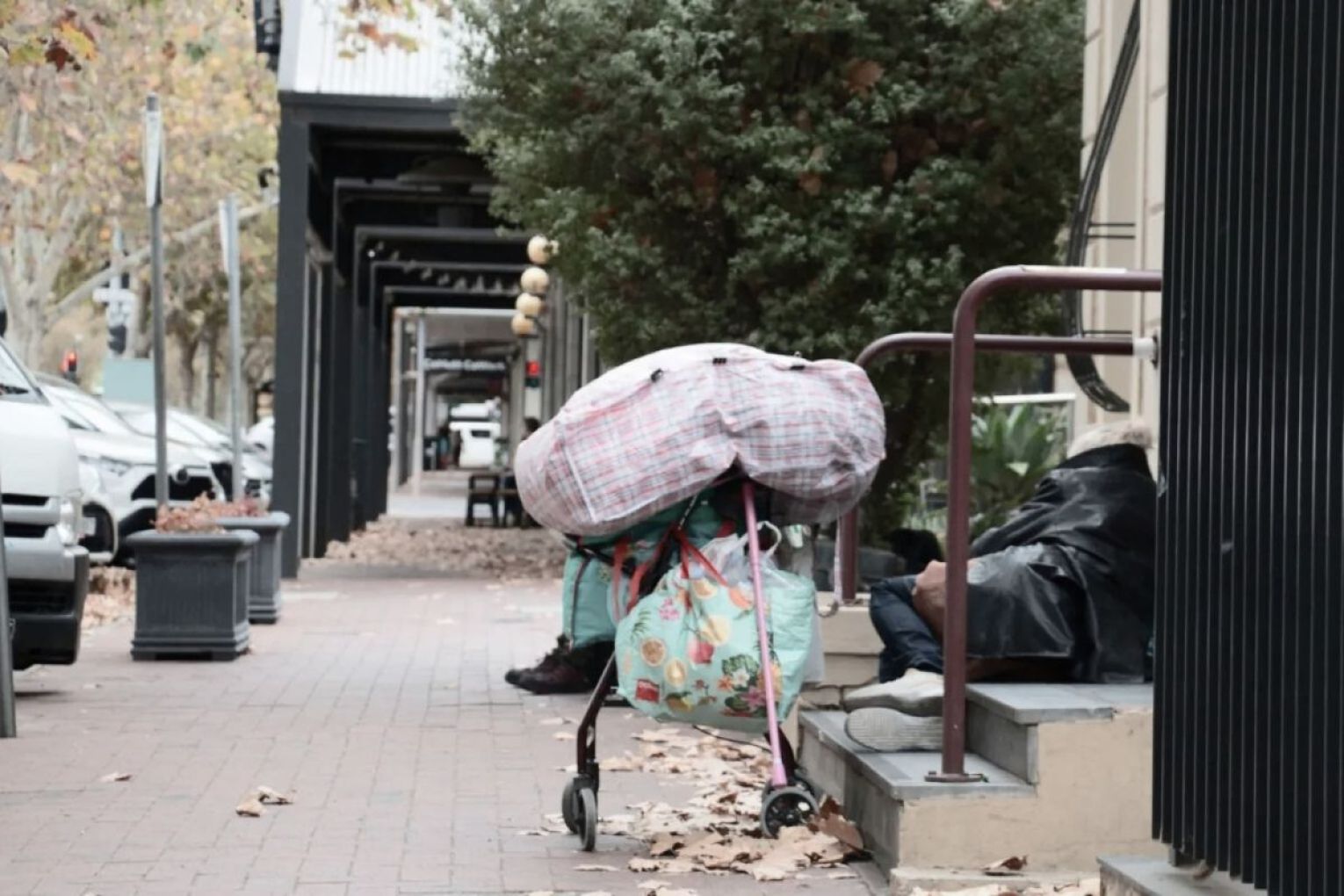
It comes after SACOSS’s election policy earlier this month zoned in on homelessness funding, saying there was a funding shortfall to address the highly visible homelessness across the state.
Australian Productivity Commission data showed state funding to the homelessness sector has dropped by more than 11 per cent, from $102.6 million in 2022/23 to $92.3 million in 2024/25.
A state government spokesperson said the government “continues significant investment in homelessness services, supported by an independent review to report in 2026”.
“This review will identify service gaps and ensure funding delivers the best outcomes for people experiencing homelessness,” he said.

Want to see more stories from InDaily SA in your Google search results?
- Click here to set InDaily SA as a preferred source.
- Tick the box next to "InDaily SA". That's it.