Data reveals alarming rise in SA dementia cases
Newly-released data shows worrying numbers of South Australians being diagnosed with dementia as a peak body calls for more government support.
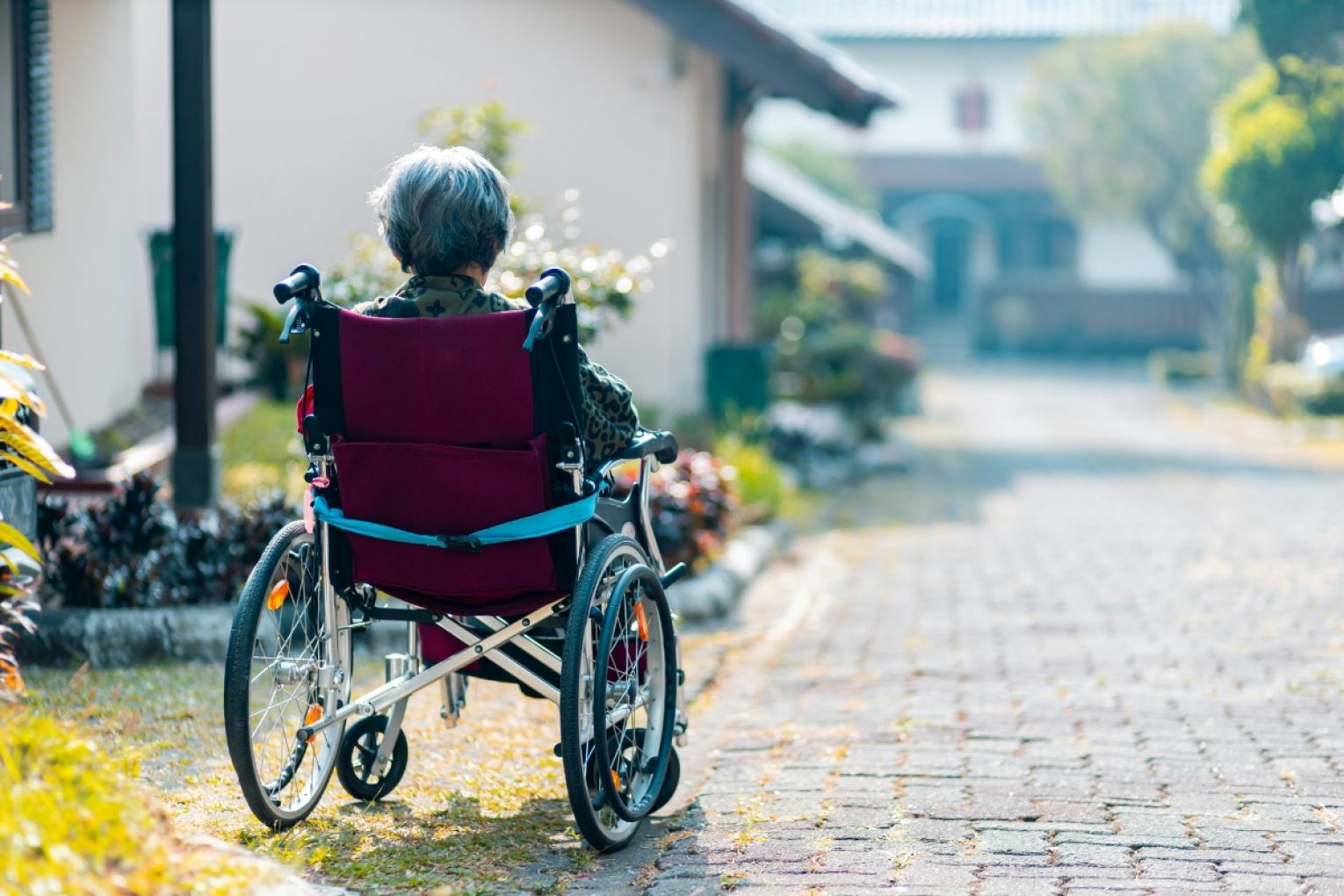
Data released from Dementia Australia today showed that there are currently 36,000 people in South Australia with dementia, with that number expected to increase by 55 per cent by 2054 to 55,600.
Australia-wide, there are an estimated 446,500 people with dementia, with the number projected to increase to more than one million people by 2065.
Alarmingly, the number of younger people under 65 with dementia has risen to 29,000 and is estimated to increase to 41,000 by 2054, while the number of children with dementia in 2026 is estimated to be 1500.
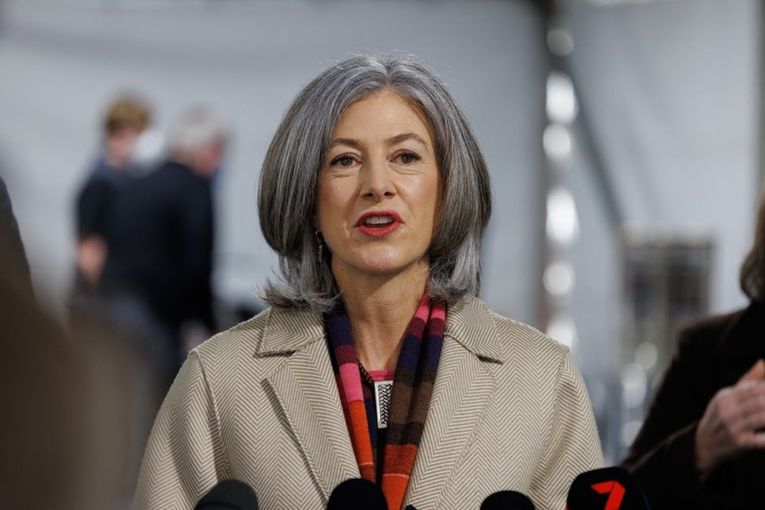
Barbra Williams, who is director of client services at Dementia Australia, told InDaily it was unclear if the health system could deal with the growing number of patients with dementia and health services must plan for future sustainability.
“If they stay at the current rates, whether or not there’s enough capacity now … into the future we will need to grow our capacity to have services that meet the needs of people living with dementia,” she said.
“Dementia is not a normal part of ageing, and in our society, we should all be doing everything we can to reduce our risk and to live healthily as we age.”
You might like
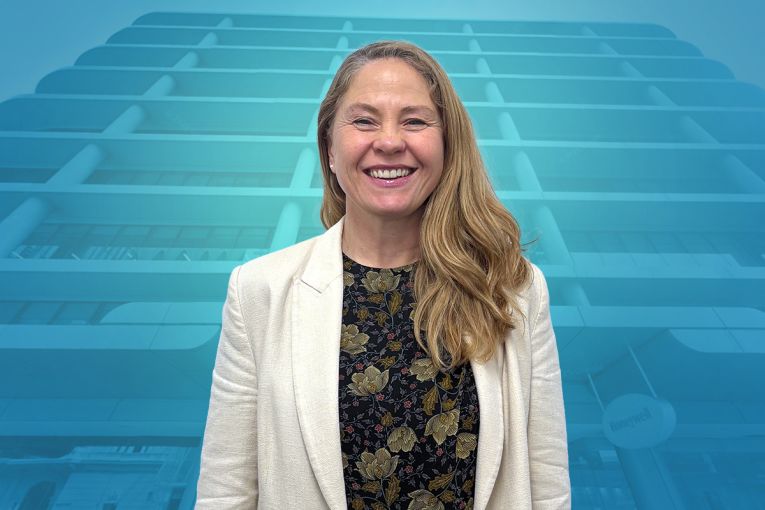

Williams said she is passionate about social justice and combating ageism in society, with her grandmother and mother having both died from dementia.
She blamed the growing number of Australians being diagnosed with dementia on people living longer, people being more proactive in seeking a diagnosis and lifestyle factors like drinking too much alcohol and smoking.
Lifestyle and genetic factors were responsible for the concerning rise of younger Australians with dementia, as data flagged an expected alarming rise over the next 30 years.
“We have better healthcare, better diagnostic systems, so all of this is able to capture people with dementia at a much earlier stage,” she said.
“So, potentially the percentage of people living with dementia may have been the same 50 years ago, but the levels of diagnosis and community awareness just weren’t there.”
Williams said that dementia is an umbrella term covering more than 100 different conditions, with Alzheimer’s being the most common.
Stay informed, daily
She said that for Alzheimer’s, the most common early symptoms were memory loss and forgetfulness.
“People might be driving to head somewhere and then forget where they’re actually going, or they might not be able to find their glasses or their wallet,” she said.
Williams said that other types of dementia, such as frontotemporal dementia, cause personality changes but not necessarily memory loss.
She said that dementia was a terminal illness that would eventually kill those with the disease.
“The brain is slowly degenerating and not functioning, and of course, it’s our brains that do our automatic processes of heart beating, breathing, all those kinds of things, and it makes us who we are as individuals,” she said.
Williams called on the federal government to progress its National Dementia Action Plan, as well as to start a national campaign to promote brain health to reduce the risk of Australians developing dementia.
“There is still little work that has been done on progressing that plan since it was introduced, and that’s why Dementia Australia, with the growing prevalence of people living with dementia, feels that it is more important than ever,” she said.
Health and Wellbeing Minister Chris Picton said that “the growing number of people living with dementia is having a real impact on hospitals, especially when suitable aged-care options aren’t available, and people are stuck in hospital later than they should be”.
“There are currently hundreds of South Australians stuck in hospital beds, stranded there because of the ongoing shortage of commonwealth aged care beds,” he said.
“Many of them are living with dementia, which is really difficult to manage and – by its very nature – gets worse over time.
“We are continuing to call on the Federal Government to do more to address a crisis which is leaving vulnerable South Australians stranded, unable to get the proper care they need, and putting enormous pressure on our hospital system.”
A spokesperson for the Federal Department of Health, Disability and Ageing said that “the Australian Government is committed to supporting people living with dementia, their families and carers by delivering practical, high-quality programs and initiatives”.
“The Australian Government is committed to supporting people living with dementia, their families and carers by delivering practical, high-quality programs and initiatives,” he said.
Want to see more stories from InDaily SA in your Google search results?
- Click here to set InDaily SA as a preferred source.
- Tick the box next to "InDaily SA". That's it.