Fresh pain for homeowners as Reserve Bank lifts interest rates
The Reserve Bank has made a widely anticipated decision to raise rates, with some homeowners to be slugged almost $1000 more a year on their mortgage.
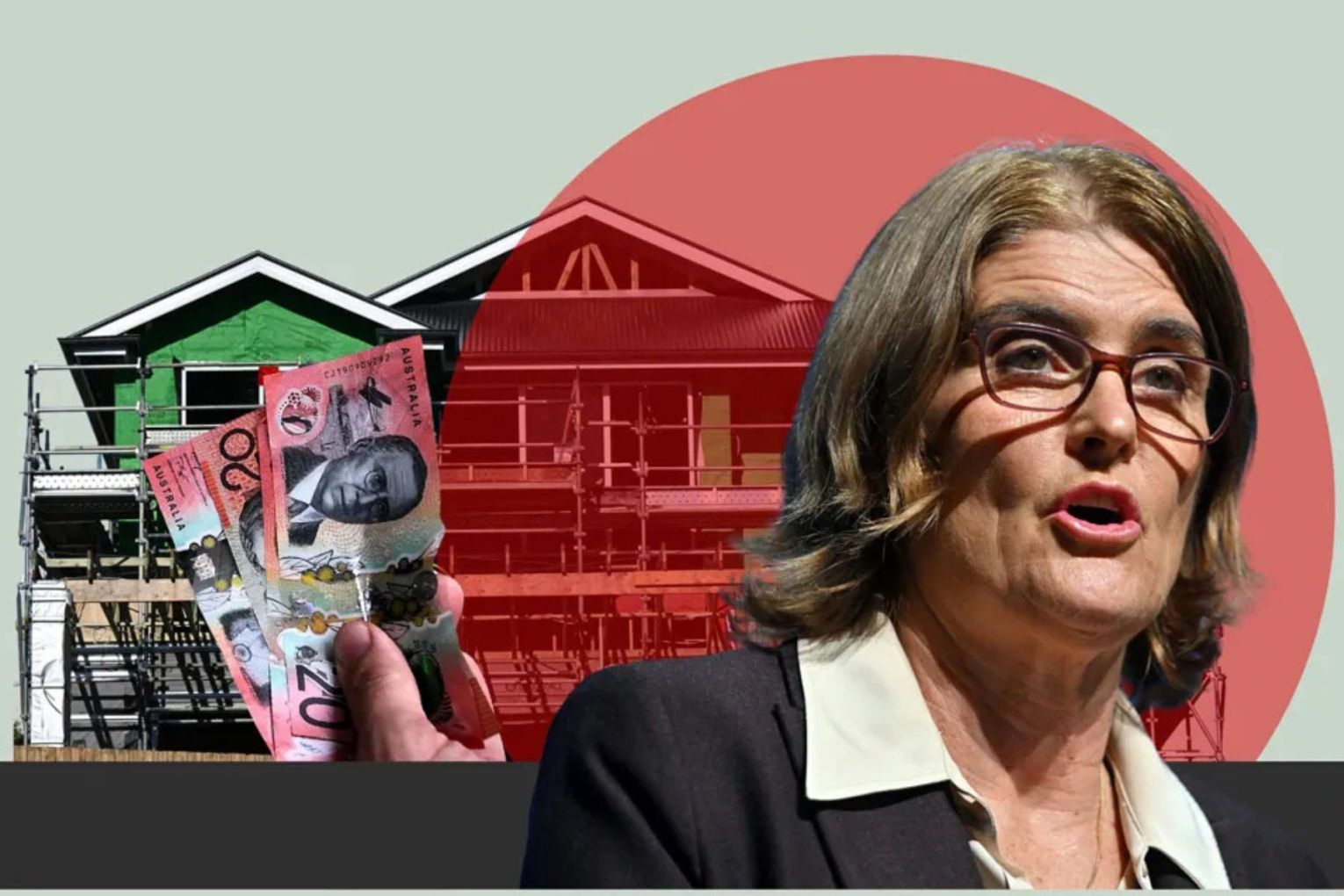
The Reserve Bank has followed through on expectations, lifting the official cash rate by 25 basis points.
The unanimous decision, announced on Tuesday afternoon, takes the interest rate from 3.6 per cent to 3.85 per cent.
It is the first rise in Australia’s official interest rates since November 2023, and the first move at all since a cut last August.
The lift follows recent data that showed the central bank’s preferred measure of inflation, the quarterly trimmed mean, is at 3.4 per cent – well above the central bank’s 2.5 per cent target point.
It also followed a fall in the jobless rate in December to 4.1 per cent, along with a continued lift in employment. Economists say the early signs of a tightening labour market may make it more difficult for inflation to cool quickly.
According to Finder data, if banks pass on the increase in full, mortgage-holders with a loan of $500,000 will have to pay an additional $79 a month or $948 a year. Those who have debts of $1 million face extra payments of $158 a month, or $1895 a year.
You might like

Ahead of the expected increase, federal Treasurer Jim Chalmers said a rise in government spending shouldn’t be blamed.
“That uptick in that data was primarily holiday spending, but it was also the withdrawal of the energy rebates,” he told ABC radio on Tuesday.
“There were some persistent pressures there in housing and there were some weather related factors as well. But overall, we know that inflation is higher than we would like.”
The Reserve Bank had hinted at a potential rise when it last met in December, noting the pick-up in inflation.
While most economists had agreed a rate rise was all but certain on Tuesday, they are divided about how the rest of 2026 will play out.
“We don’t see a case for further tightening past February at this stage, unless the RBA staff’s forecasts change in a substantial way,” JP Morgan experts said.
Commonwealth Bank head of Australian economics Belinda Allen agreed.
“We think the RBA will be one and done for interest rate hikes in 2026,” she said.
Stay informed, daily
“Inflation is too high, the economy is growing a little bit above its potential, but it won’t take much to bring the economy and inflation back into balance.
“The risk, of course, is that more will need to be done. A lot of that will be driven by how the labour market performs and how upcoming inflation prints go.”
After bucking the trend of peer economies by intentionally keeping rates lower for longer to prevent a spike in unemployment, the RBA becomes the first major central bank to return to interest rate rises since the pandemic.
The Reserve Bank is also due to release its updated staff economic forecasts on Tuesday.
The Statement on Monetary Policy will provide plenty of clues about how the bank thinks the next year will play out.
In their most recent set of economic forecasts back in November, Reserve Bank staff forecast inflation to remain above 2.5 per cent until at least the end of 2027.
But that was based on market forecasts for interest rates, which at the time assumed the cash rate would remain at its current level.
While inflation has since exceeded expectations, the cash rate assumption Reserve Bank staff will use to model their forecasts will now be substantially higher.
ANZ Bank’s head of Australian economics Adam Boyton said that will the stronger Aussie dollar, which hit a three-year high above US71c last week, also taking some heat out of the economy, the central bank should be able to forecast inflation returning to target.
“We expect [governor Michele] Bullock will emphasise that the board is not committed to any particular path for the cash rate and that an interest rate increase in February is not necessarily the start of a series of rate hikes,” he said.
-with AAP
Want to see more stories from InDaily SA in your Google search results?
- Click here to set InDaily SA as a preferred source.
- Tick the box next to "InDaily SA". That's it.