Home owners brace for hit as RBA holds February meeting
Source: Reserve Bank of Australia
The central bank’s board was ensconced in deliberation at its temporary digs around the corner from Martin Place on Monday and Tuesday, as bond traders priced in a greater-than-three-quarter chance of a 25-basis-point hike.
Fresh data last week showed the Reserve Bank’s preferred measure of inflation, the quarterly trimmed mean, is running at 3.4 per cent – well above the central bank’s 2.5 per cent target point.
With bank boss Michele Bullock opening the door to a hike with hawkish commentary in December, JP Morgan economists Ben Jarman, Tom Kennedy and Tom Ryan said it would be more difficult now not to walk through it.
While most economists agree a rate rise on Tuesday is inevitable, not all share the market’s belief the central bank will hike again before the end of 2026.
“We don’t see a case for further tightening past February at this stage, unless the RBA staff’s forecasts change in a substantial way,” Jarman, Kennedy and Ryan said.
You might like
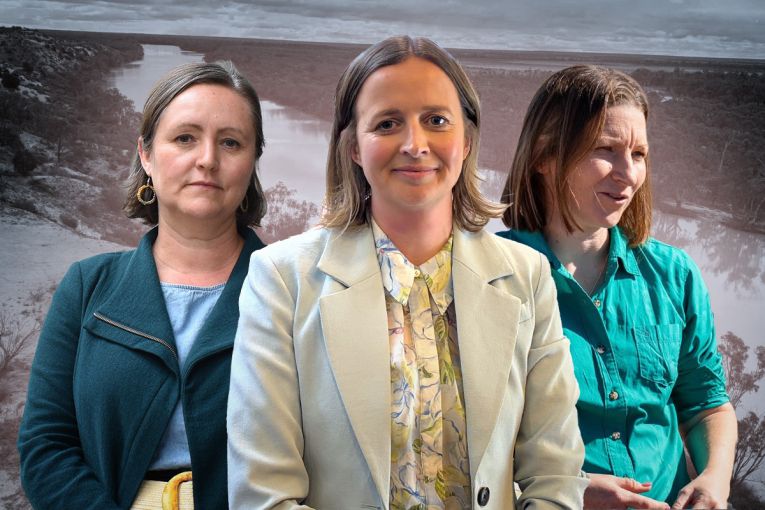

Commonwealth Bank head of Australian economics Belinda Allen agreed.
“We think the RBA will be one and done for interest rate hikes in 2026,” she said.
“Inflation is too high, the economy is growing a little bit above its potential, but it won’t take much to bring the economy and inflation back into balance.
“The risk, of course, is that more will need to be done. A lot of that will be driven by how the labour market performs and how upcoming inflation prints go.”
Stay informed, daily
Simultaneous to the rate decision, the RBA will release its updated staff economic forecasts. The Statement on Monetary Policy will provide plenty of clues about how the bank thinks the next year will play out.
“It’s important to watch those figures, because that will also give us a clue about what the RBA thinks they may well have to do in terms of interest rates,” Allen said.
In their latest set of economic forecasts in November, Reserve Bank staff forecast inflation to remain above 2.5 per cent until at least the end of 2027.
But that was based on market forecasts for interest rates, which at the time assumed the cash rate would remain at its current level.
While inflation has since exceeded expectations, the cash rate assumption Reserve Bank staff will use to model their forecasts will now be substantially higher.
Along with a stronger Aussie dollar, which hit a three-year high above US71c last week and will take some heat out of the economy, that should enable them to forecast inflation returning to target, ANZ Bank’s head of Australian economics Adam Boyton said.
“We expect Bullock will emphasise that the board is not committed to any particular path for the cash rate and that an interest rate increase in February is not necessarily the start of a series of rate hikes,” he said.
-with AAP
Want to see more stories from InDaily SA in your Google search results?
- Click here to set InDaily SA as a preferred source.
- Tick the box next to "InDaily SA". That's it.