Surfers avoid water despite expert backing algal bloom ‘basically doesn’t exist’ claim
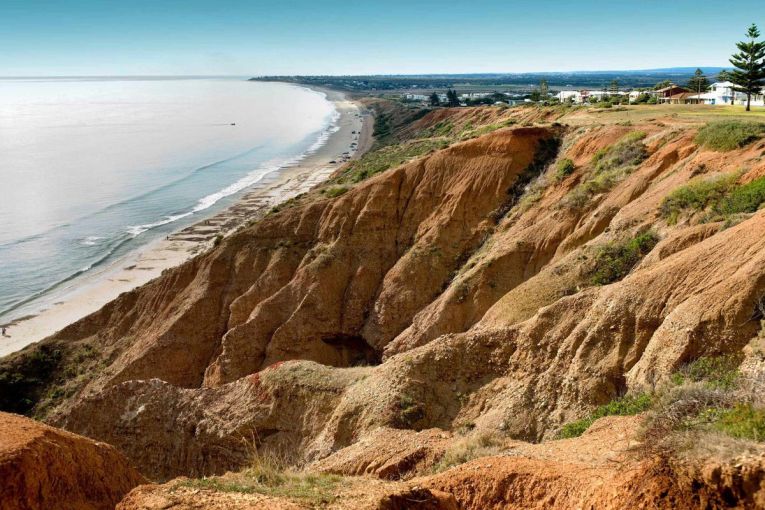
SA’s leading algal bloom scientist is backing the Premier’s claims the toxic algal bloom is disappearing – but surfers tell of “brown muck” waves. The Environment Minister held a snap forum in Corny Point on Thursday night.
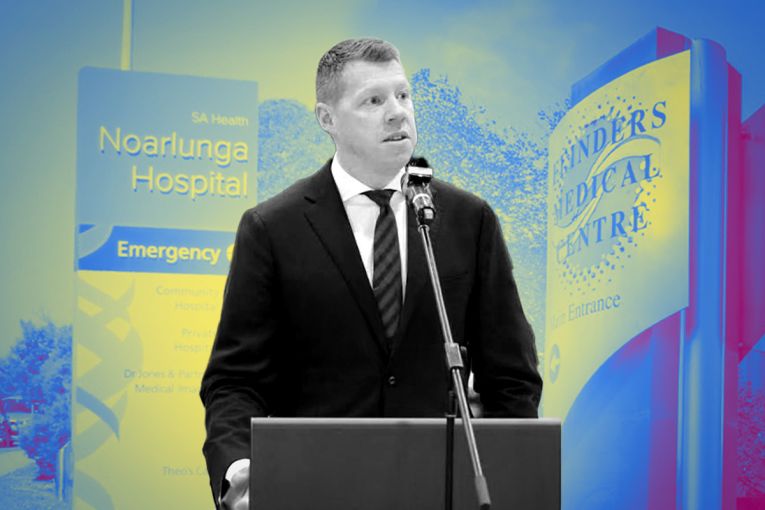
SARDI executive director Professor Mike Steer said in his latest update to InDaily that despite high-profile algal bloom hotspots in south west Yorke Peninsula and northern Spencer Gulf, its footprint is shrinking.
“What we’re seeing now is a real reduction in the footprint of the bloom, it’s gone from being gulf-wide to a couple of patches,” Steer told InDaily.
“The patches that we’re monitoring at the moment, one up in northern Spencer Gulf around Whyalla and Fitzgerald Bay, and the data is indicating that that seems to be diminishing as well.”
The latest water samples from Wednesday showed about 400,000 cells per litre of Karenia in the West Cape, compared to 2.5 million cells per litre in the previous week, Steer said.
He said there were similar downward trends around Corny Point, Browns Beach, Shell Beach, West Bay and Chinaman Wells where high foam and putrid water have been highlighted in recent weeks.
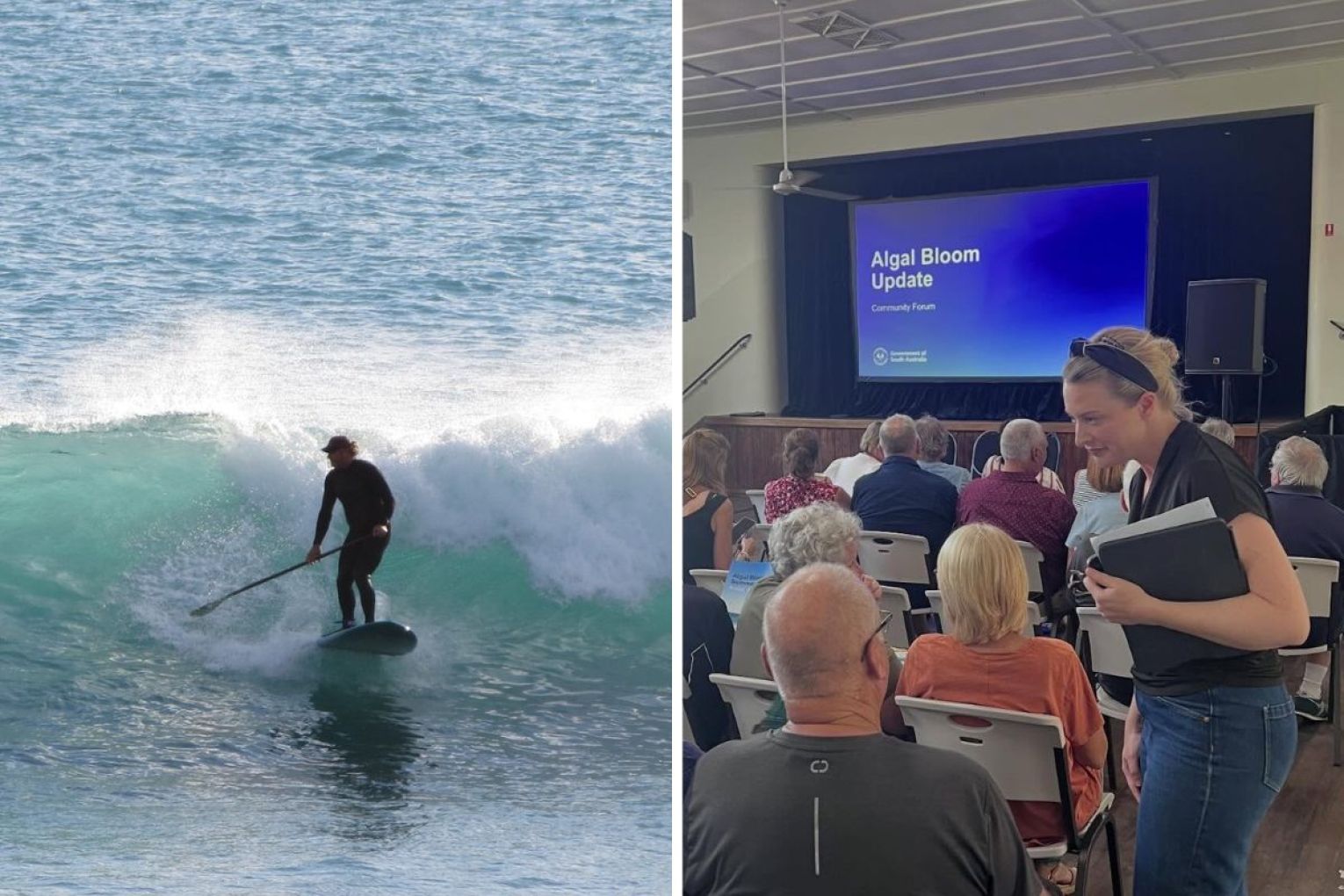
In Corny Point and nearby Daly Head, surfer and Formby Bay Environmental Action Group founder Ed Satanek said surfers were staying out of the water, but gauging conditions day by day.
“I had a surf last Saturday at Dust Hole Beach, paddled out there. It looked a bit green, but the waves were pretty good, and there wasn’t anyone around.
“I went, all right, I’m going out, have to go out, haven’t been out for a couple of weeks. I went out for a paddle and I immediately got a little bit of a tickly throat but nothing too bad, it didn’t put me out of the water… I came in a couple hours later and that was fine.
You might like

“Then on Monday, I went back there, and the whole seascape had changed and gone back to brown muck, that was Australia Day.”
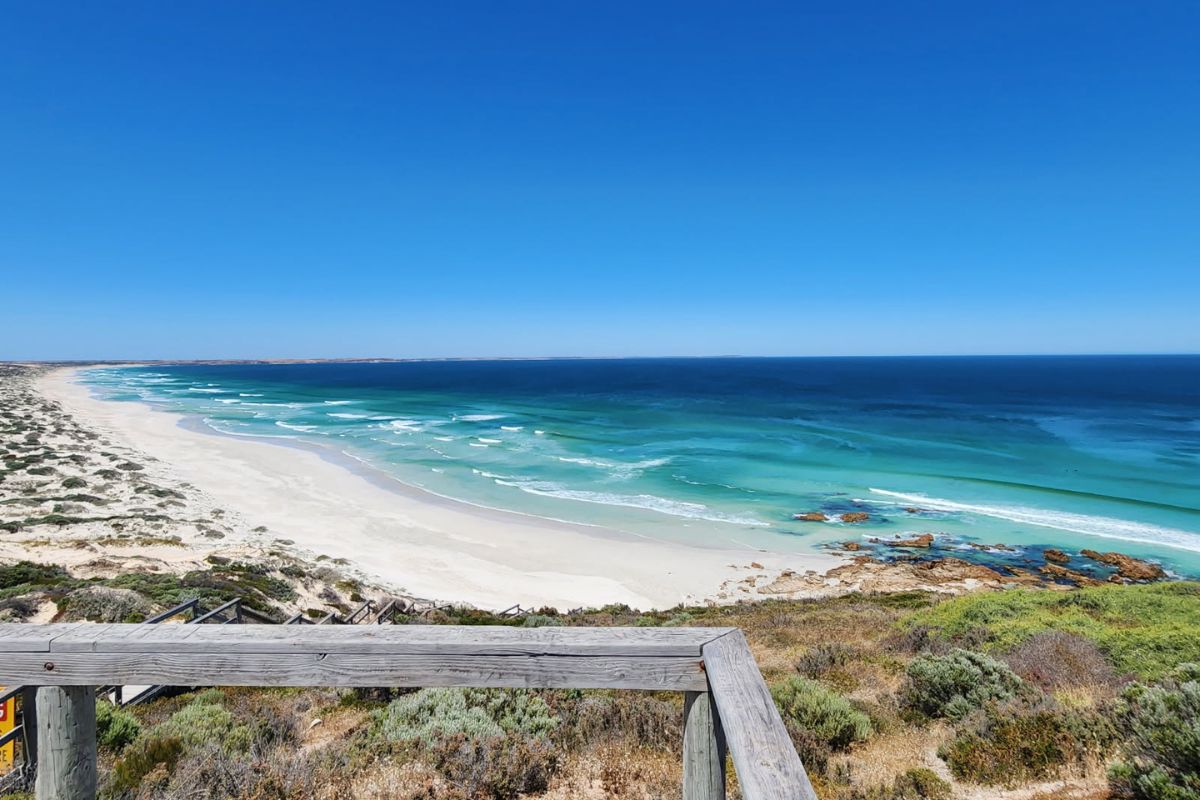
In response to the spike at Corny Point in recent weeks, Environment Minister Lucy Hood called a snap forum on Thursday night attended by 140 anxious residents, business owners and tourism operators.
Hood said there was a focus on “listening to locals” and pointed out contributions from Corny Point Caravan Park manager and citizen scientist Lochie Cameron, Stuey from the Formby Bay Environmental Action Group and Mickeal from the Corny Point Progress Association.
“We had a positive response talking through the science, health advice, action being undertaken, supports available and – mostly importantly – listening to locals,” she said.
“We recognise the impact this unprecedented event has had on our coastal communities, which is why we continue to deliver our Summer Plan – including additional mental health support.”
Satanek said the mood of the room was civil, and it was an informative session with health advice and information about how the algal bloom ebbs and flows.
“We’ve still decided not to go in the water when it’s at its peak, because we just don’t want to suffer the symptoms, even though SA Health tells us that it’s only a short-term thing,” Satanek said.
“Personally, this would be a time where I’d hope you get in the water like five or six times a week, and I’ve been in the water once in the last three weeks.
“Last week there was two meter swell, offshore winds, and a couple of the breaks were just empty because people didn’t want to go out in the brown muck.”
Stay informed, daily
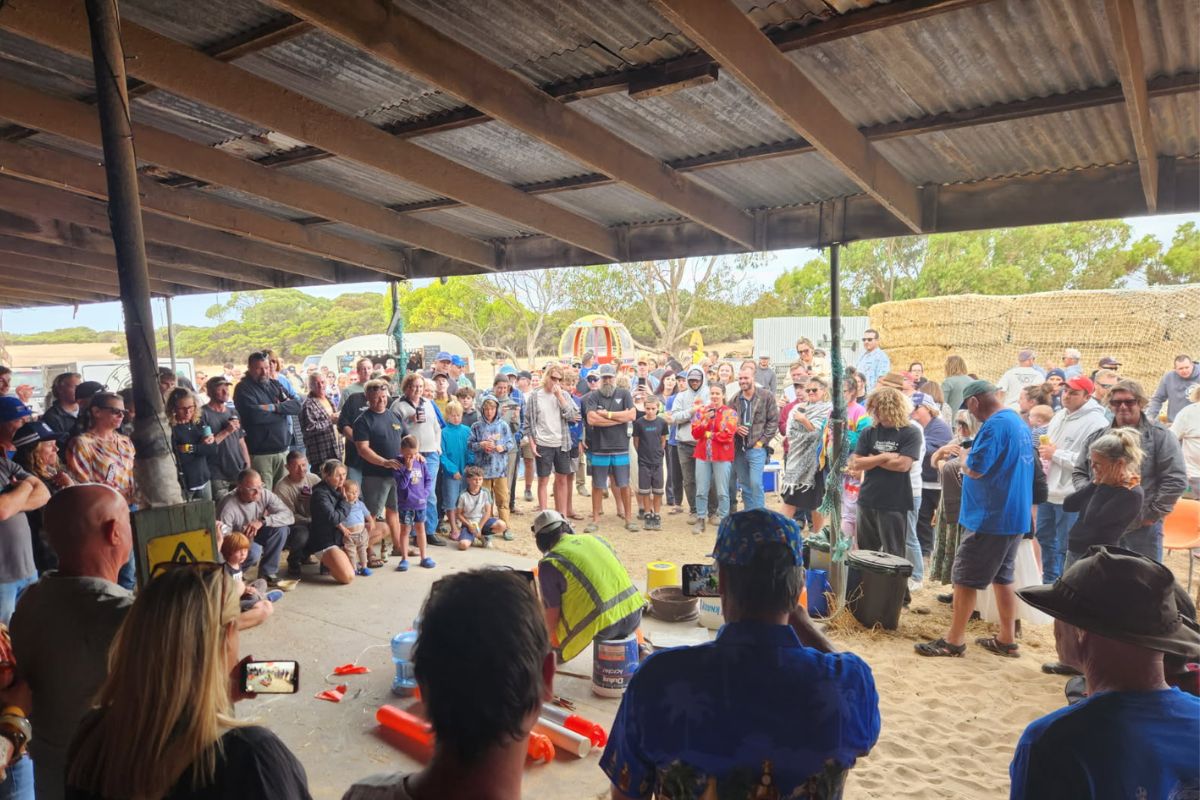
Earlier in January, Satanek organised the 2026 Surfarama event – a celebration of surf culture – which included Surf Life Saving SA presenting a remote beach trauma workshop and a marine biologist and citizen scientist present an algal bloom information session for the community.
He said the event was “fantastic” and the community has banded together despite the “distressing” effects of not being able to surf and seeing washed-up marine life.
“We’re hoping that over time, not that it goes away from us to someone else, but it just dissipates in general,” Satanec said.
The Red Cross also heard from surfers, telling State Parliament’s Joint Committee on Harmful Algal Blooms on Thursday that there’s a “persistent sense of distress and emotional exhaustion” among those regularly using coastal communities.
Red Cross SA senior state manager Mary Hajistassi said on Thursday afternoon that “staff have talked to people who use snorkelling, diving and surfing to cope with challenges”.
“The loss of access is being felt deeply. We still hear of people who feel sick after spending time in the water. We are also hearing of a lack of information reaching community members, as well as a perception that the authorities have moved on.”
Steer said he has “given up predicting what the bloom will do” but that the trends from the latest results are “encouraging”, backing in comments made by the Premier earlier in the week that the bloom was almost non-existent in SA.
“The Premier is right in his comment that the vast majority of the coastline, the algae doesn’t exist. It’s not there, and that’s based on the numbers.”
When asked on Thursday why there had not been weekly algal bloom updates throughout 2026, Malinauskas said he had been available for questions, and journalists stopped showing up to the weekly updates.
“We’ve had public press conferences, I’ve been standing up every single day and answering every single question about this,” he said.
“Occasionally journalists started to come off a little bit in terms of their level of attendance, which I respect, because there was less happening in respect to the algal bloom itself as it is abated across the overall majority of the coastline.
“That doesn’t stop the work within government, though, and we’ve been releasing all the data, standing up and answering all the questions that exist. Countless efforts and meetings and allocations of resources continues to unfold.”
Steer confirmed testing is continuing weekly, with hotspots around Yorke Peninsula and Northern Spencer Gulf tested twice weekly.

Want to see more stories from InDaily SA in your Google search results?
- Click here to set InDaily SA as a preferred source.
- Tick the box next to "InDaily SA". That's it.