World records third hottest year as fires, floods hit at home
The world clocked its third hottest year on record in 2025 and is on track to surpass the 1.5C Paris Agreement threshold by the end of the decade.
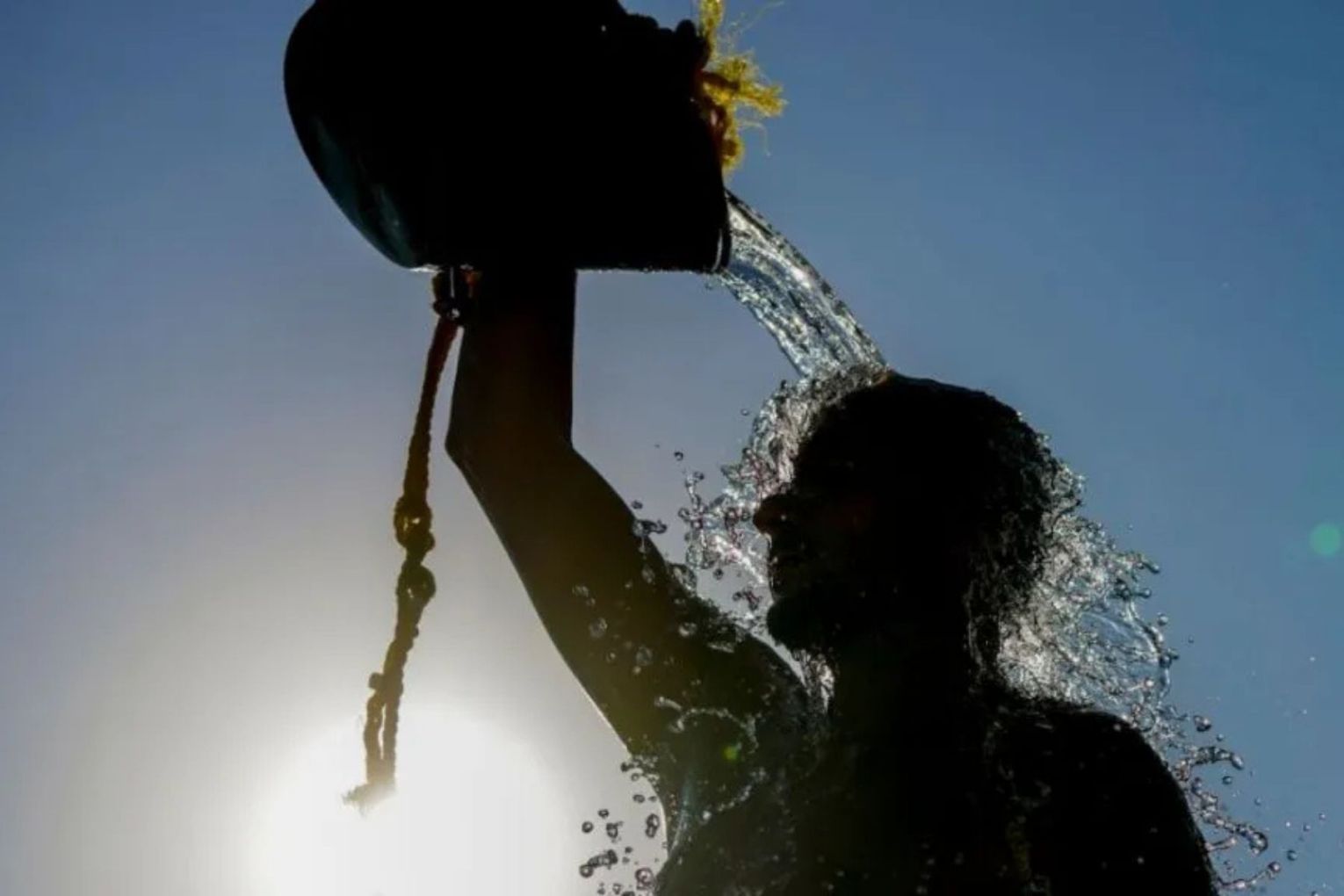
Last year was the world’s third warmest on record, underscoring a trend already fuelling destructive fires and floods in Australia in the early days of 2026.
Official confirmation from respected climate monitoring outfit Copernicus puts 2025 marginally behind 2023, and 0.13C cooler than 2024 – which hangs on as the hottest year on record.
In 2025, the global surface air temperature was 1.47C above the pre-industrial level, with temperatures now averaging above 1.5C – the agreed limit set by signatories of the Paris Agreement – for three years running.
The global climate pact has not yet been exceeded as it relies on longer-running trends.
But if warming continues as expected, the 1.5C benchmark could be reached by the 2030s – more than a decade earlier than first predicted when the landmark pact was signed.
In Australia, 2025 was tarnished by record-high ocean temperatures, driving widespread coral bleaching off the Western Australian coast and in the Great Barrier Reef.
You might like
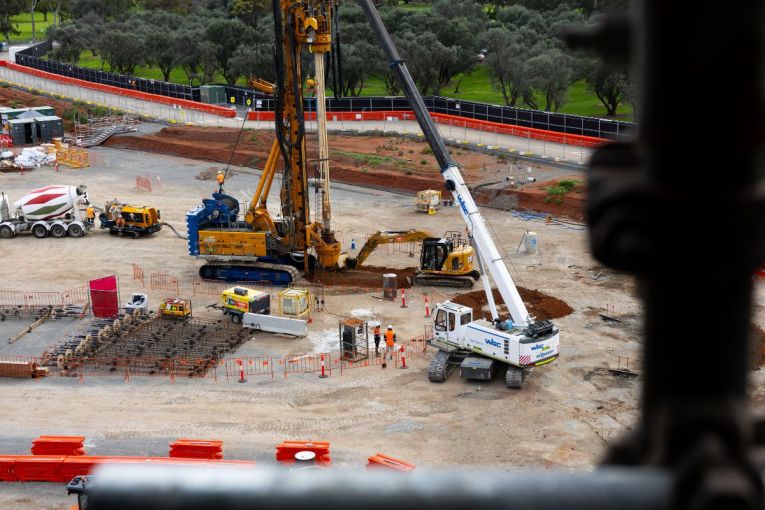

Elevated ocean temperatures were also thought to have contributed to the intensity and rainfall extremes brought by ex-tropical cyclone Alfred as it barrelled through south-east Queensland and northern NSW.
Griffith University Emeritus professor of science, technology and society Ian Lowe said that since the 1980s, scientists had been warning of both increases in average temperatures as well as more frequent and severe extreme weather events.
“At the moment, we’re seeing appalling bushfires in Victoria and appalling flooding in Queensland,” he said.
“And this is exactly what the science has been telling us.”
Australians had already been warned of a catastrophic summer of fires, with 11 major bushfires currently burning in Victoria. The fires have so far destroyed or badly damaged more than 700 structures, including 228 homes that have been lost.
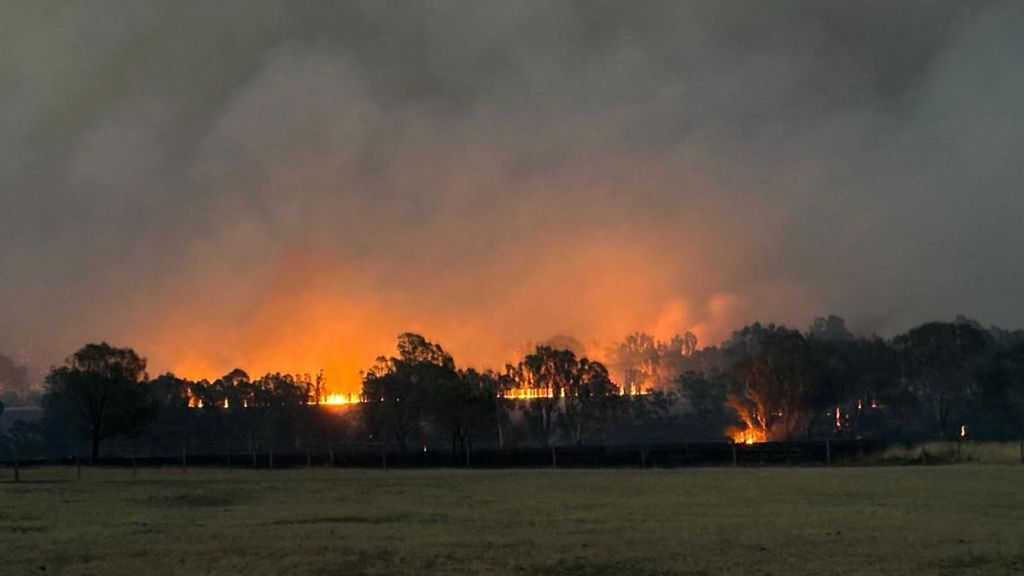
Victorian firefighters have been battling a blaze in Longwood. Photo: Little Yarra CFA
Stay informed, daily
Another year of warmer ocean temperature could also spell trouble for coral reefs and the tourism businesses reliant on them.
“It’s getting more and more unlikely that the Great Barrier Reef can recover from the succession of bleaching events,” Lowe said.
Globally, the past three years have been exceptionally warm for a few main reasons, the first being the ongoing accumulation of greenhouse gases in the atmosphere trapping in heat.
Carbon sinks, ecosystems that soak up carbon, have also been weakening.
As well, sea-surface temperatures have been particularly high, in part due to an El Nino event but also other climate change-influenced variability.
Changes in aerosol concentrations has also contributed to the three-year run of particularly elevated global temperatures.
A neutral to weak La Nina – a weather pattern associated with cooler global temperatures – in the equatorial Pacific contributed to lower air and sea temperatures in the tropics last year than in 2024 and 2023.
The higher temperatures of the two years prior were in part driven by a strong El Nino event, linked to warmer global temperatures.
Cooler temperatures in some regions were countered somewhat by a warmer polar region, with Antarctica experiencing its highest annual average temperature value, and second-highest in the Arctic.
In early 2025, sea ice across the two poles was at its lowest level since satellite monitoring began in the 1970s.
Lowe was critical of Australia’s commitment to slowing global temperate rise.
“At the state and national level, governments are still behaving as if we can keep approving extensions of coal mines and new new gas field project, which is literally tipping petrol on the fire.”
–with AAP
Want to see more stories from InDaily SA in your Google search results?
- Click here to set InDaily SA as a preferred source.
- Tick the box next to "InDaily SA". That's it.