‘Desolate’: Six hectares of trees to be cut down in Highbury
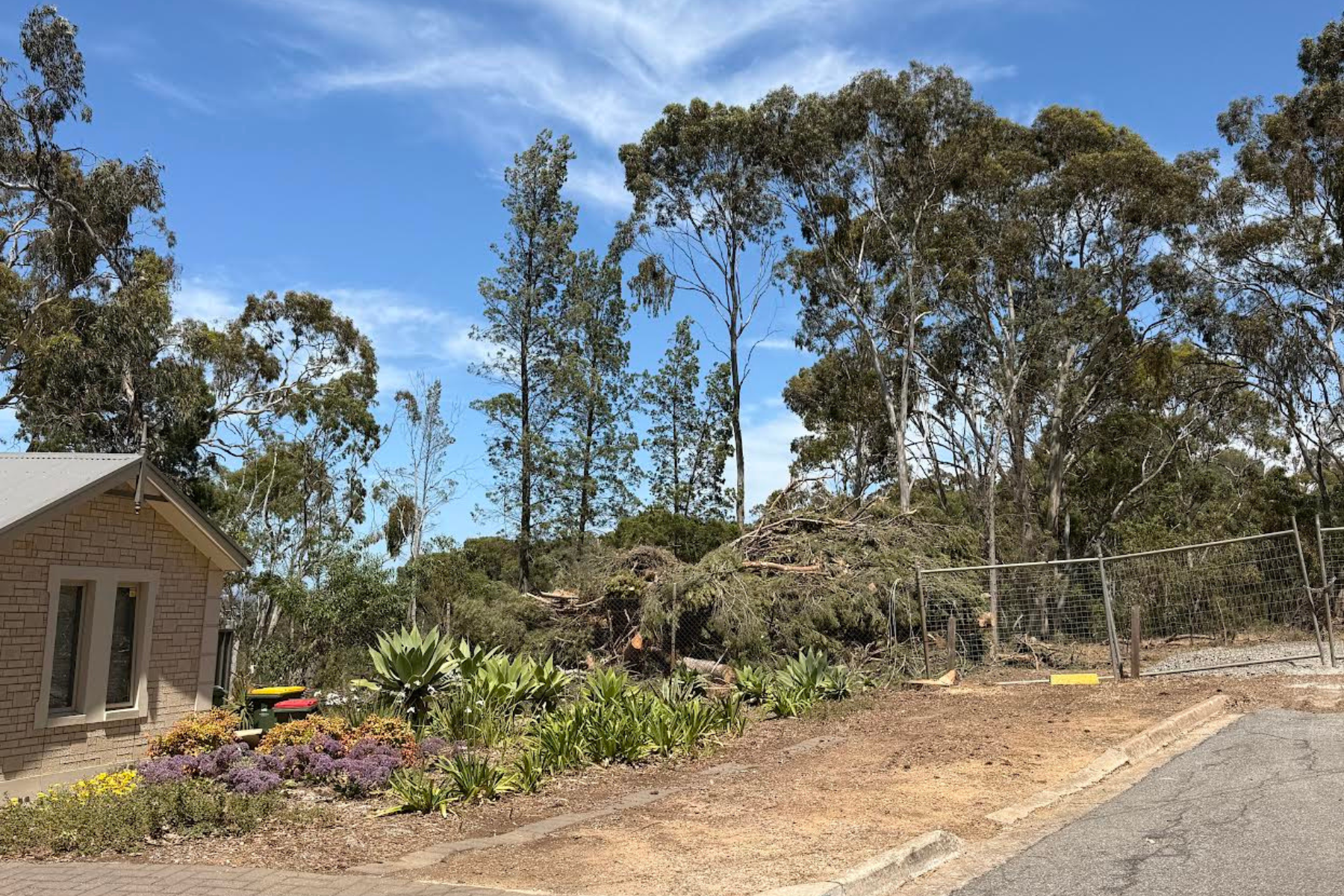
Over six hectares of pine trees are set to be cleared in the Highbury Aqueduct Reserve this Christmas season, after the giant pine scale pest was detected in the region.
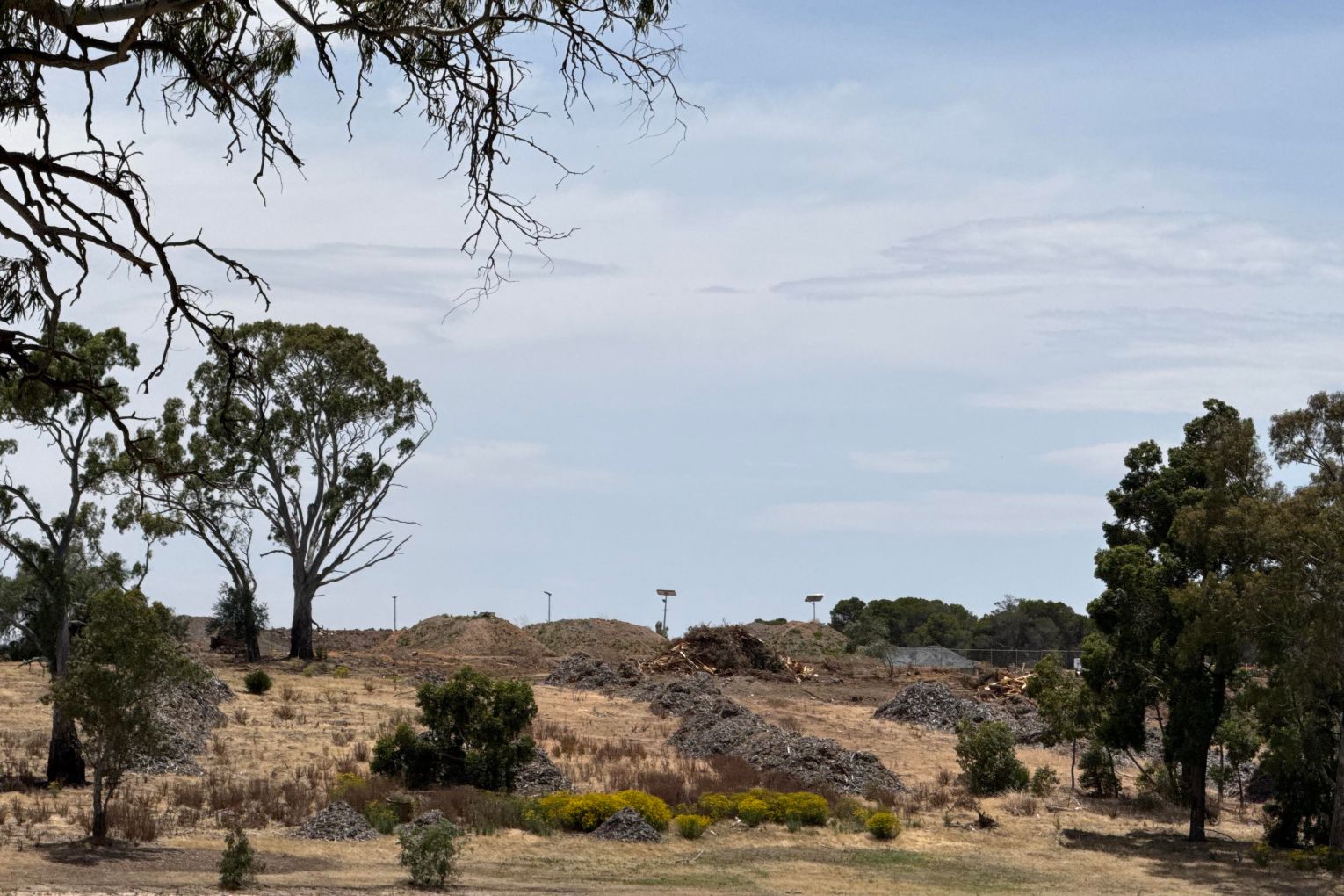
Nearby residents claim they have been left in the dark regarding the State Government’s plans to clear trees since the pest was first detected in Adelaide’s northeast.
Kerrie Verbart, who lives behind the Highbury aqueduct reserve, told InDaily that she received little information about the plans until fencing went up early last week, when she received a pamphlet informing her that trees were set to be cleared.
She added that the infected trees have been marked since August but are only now being removed, despite it being the pest’s peak breeding season.
“We are now in crawler season,” Verbart said. “This is when they’re on the move, and we’re like, you’ve marked four trees back in August… why are they still there?”
According to Agriculture Victoria, between November and January, adult females produce 300 to 400 eggs that are retained in the female and hatch after her death.
“Residents have had enough, and there’s a toll on wildlife, a toll on habitat, a toll on residents,” Verbart said.
You might like

She added that the reopened parks where trees had previously been cleared were now unbearably hot due to the lack of urban canopy.
“It’s very hot walking around these parks… they’re horrible, they’re hot, they’re desolate,” she said, adding that she was concerned for the elderly people in the area.
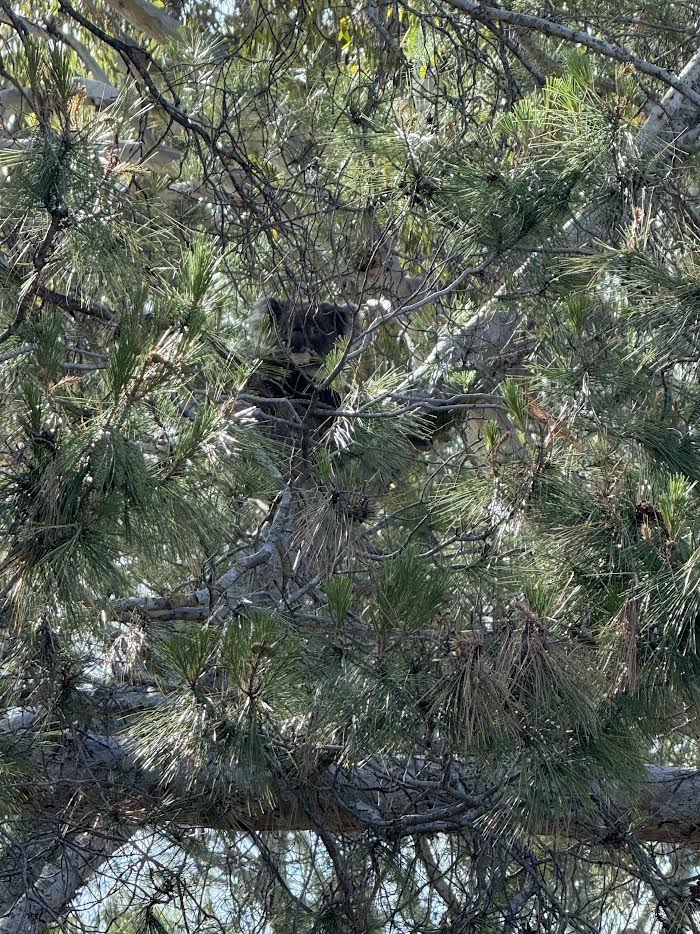
She also said seeing the trees cleared was impacting residents’ mental health, while displaced wildlife are seeking shelter in back yards.
“People are depressed,” she said.
“I love wildlife, I literally face the reserve.”
“The welfare and well-being of people should be understood and looked after. It’s not just about giant pine scale.”
Giant pine scale, which is native to the eastern Mediterranean region, is a pest insect that appears as a sticky, white, cotton-like substance on trees from the pine family.
Stay informed, daily
With no natural predators in Australia, the pest causes branch dieback and eventually tree death, posing a significant risk to South Australia’s $3 billion forestry industry.
The operation in Highbury comes after 1500 trees were culled in the Hope Valley Reservoir this September, in the hopes to eradicate the insect.
The pest, which was first detected in metropolitan Adelaide in 2014 and eradicated at the time, was more recently detected in 2023 – 2024.
A spokesperson for the Department of Primary Industries and Regions said that “infested introduced pine trees and susceptible pine trees in a 50m zone will be removed across an approximately 6.12ha area to prevent its spread.”
“The State Government and industry consider full eradication achievable as all new detections are in areas where there have been previous detections, or immediately adjacent to those areas.”
South Australian Forest Products Association CEO Nathan Paine said the pine industry could not have asked for a better response from the government.
“The government really has stepped up here, and the industry is grateful for the way the government has responded,” Paine said.
“South Australia was the first place in the entire Commonwealth to grow plantation trees in 1875, and as an industry we’ve only grown since then.”
The timber industry contributed almost $3 billion to the South Australian economy and directly and indirectly created over 21,300 jobs, he said.
“It’s a very important issue for the community… we obviously hope that people in the community appreciate that… their landscape is changing, their urban canopy is changing, but this is necessary to enable us to provide the timber that we need.”
The PIRSA spokesperson added that “an operations plan for the works includes protocols for caring for wildlife. This includes using spotters before and during the tree felling operation.”
“Revegetation plans are being developed with the focus on establishing native vegetation within the cleared areas. Areas at Highbury Aqueduct Reserve that were cleared in previous years have been revegetated with over 5000 native trees, shrubs and grasses.”
Want to see more stories from InDaily SA in your Google search results?
- Click here to set InDaily SA as a preferred source.
- Tick the box next to "InDaily SA". That's it.