SA cricket members’ grumblings: ‘Stickers, long lines and no seats’
Members of the world’s largest cricket club are irate over the massive crowds on the first day of the Ashes Test in Adelaide. Read why one member says he’s “not sure what I’m paying for anymore”.
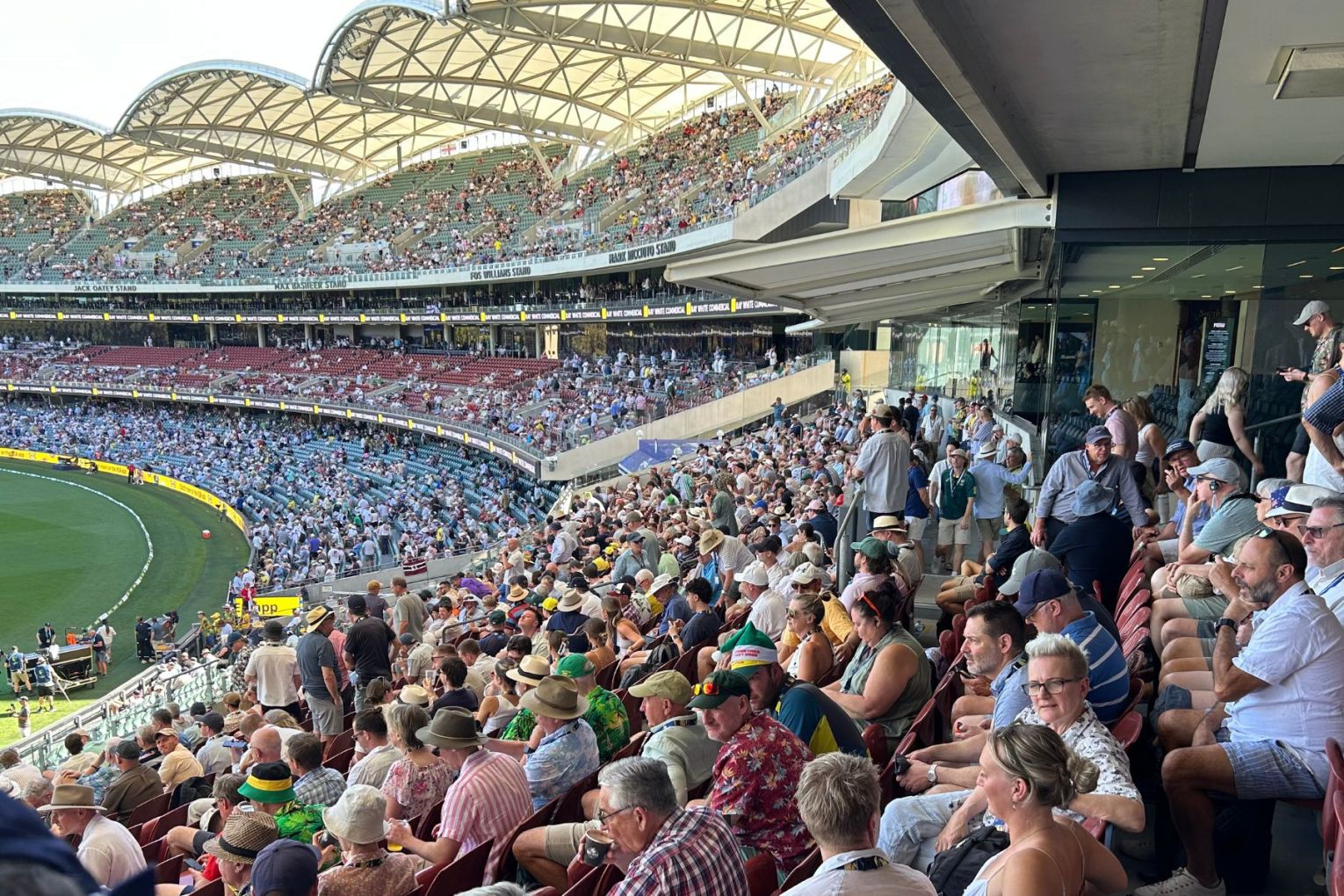
A record crowd of 56,298 people crammed into Adelaide Oval yesterday for the first day of the third Ashes Test, witnessing homegrown superstar Alex Carey hit a maiden century after an early top-order collapse.
But it wasn’t all smiles in the members’ stands, with many lining up earlier than ever to rush in and secure a coveted seat from 7.30am to witness the Australians clash with England.
With about 30,000 members, the South Australian Cricket Association is the world’s largest cricket club, and members pay more than $400 per year for the privilege, which includes exclusive stands, bars, and the hallowed Village Green out the back of the stadium.
A number of SACA members told InDaily that the members’ section was “overcrowded” on Wednesday with fewer seats than members, resulting in some missing out on a spot in the stands.
Some reported half-hour waits to refill water bottles, and queues for the many bars around the oval were even longer, snaking along the terraces back to the stairs.
Staff seemed “undertrained or lacked experience”, with one anonymous member from Kent Town saying “Adelaide Oval has been a victim of its own success to the detriment of its members”.
“SACA have put their commercial interests ahead of the interests of their members,” the member said.
You might like


A SACA spokesperson said “Day 1 was an incredible start to this Test Match, which has seen unprecedented interest and demand, evident with yesterday’s record-breaking attendance at Adelaide Oval”.
“For SACA Members, there is more shade, more seating, more food and beverage options, more staff, and a larger Village Green than we’ve ever had before.
“We encourage everyone coming to the cricket to prepare for the hot conditions and make use of water refills at every bar as well as refill stations, dress accordingly and make use of sunscreen available at key locations around the venue.”
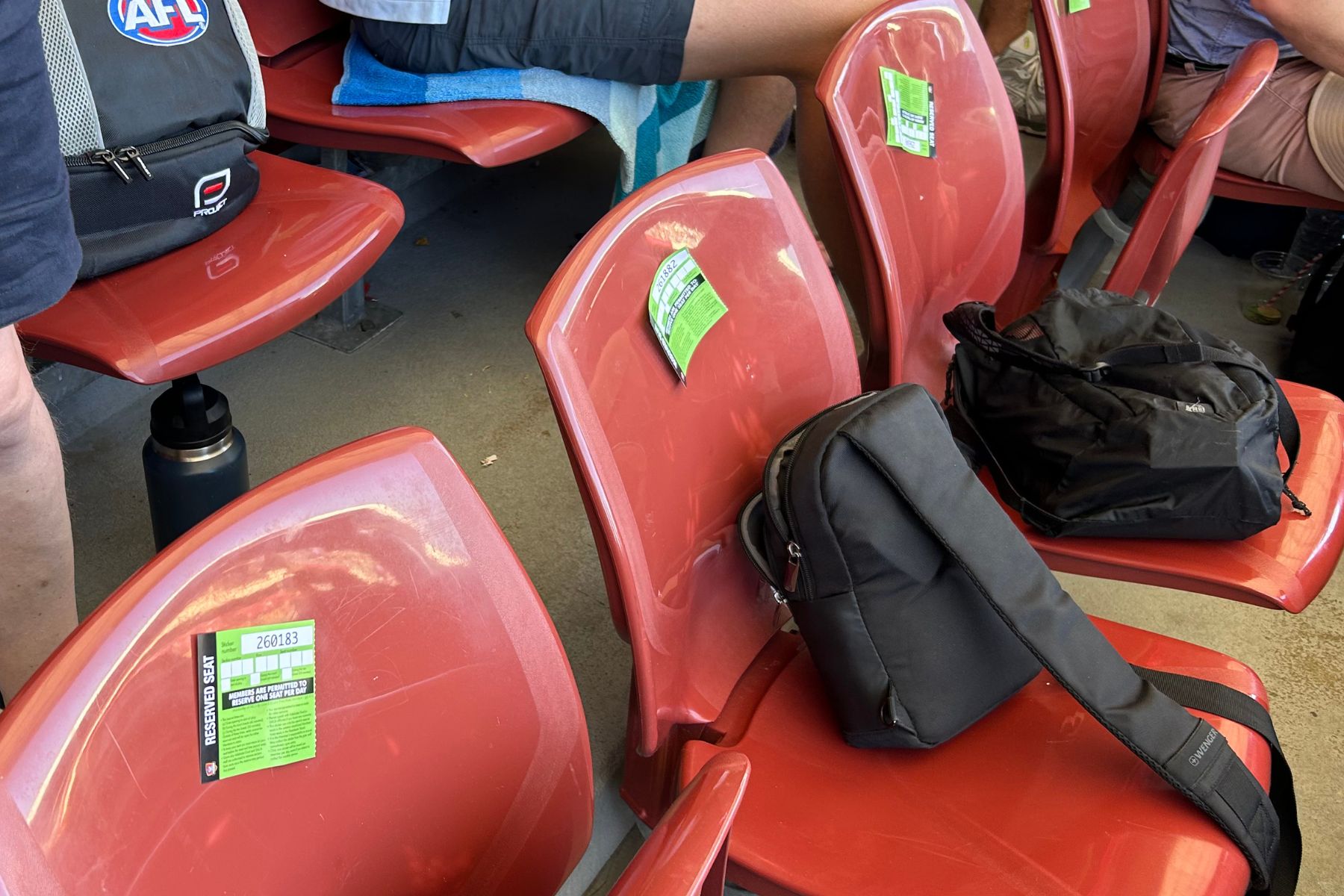
Another member from Bowden said he was “not sure what I’m paying for anymore”.
“What’s made Adelaide such a feature of the cricket calendar is some distance from what I have experienced last couple of years,” he said.
“The Village Green becomes all but inaccessible for a large part of the day, especially if your intention is just some food and a drink without missing too much play. I’ve basically just accepted eating the pies and chips available all around the ground because the Green is too daunting a prospect.
“Honestly, I would rather just get a reserved seat as I don’t even want to move anymore.”
Stay informed, daily
One Colonel Light Gardens member who didn’t wish to be named said he was lucky to have seats reserved for him by friends who arrived at 7.30 am.
“It’s unheard of to go in so early, but we knew there would be more members than seats,” he said.
“I don’t have any gripes to be honest, but there’s no question you had to plan to get in early… at the opening session it was chockers.
“I did hear on the radio that one man who had his membership for 40 years missed out on a seat.”
| Sponsored |
One woman, a SACA member for nearly two decades, admitted it was the Village Green – not the cricket itself – that drew her to the Test.
“Of course, I watch a few overs, but I love the atmosphere and bumping into people out the back,” she said.
“Yesterday was absolutely packed out, though. It’s heaving with people, it’s hot, and it’s hard to find a table.
“SACA is definitely pushing the limits in terms of how many people can really fit out there – especially in heatwave conditions.”
A member from Linden Park said it “definitely felt like the biggest crowd that the oval has had for a cricket match”.
“The terraces behind the members’ section felt much more crowded than in previous years; it was pretty chaotic during the breaks in play,” he said.
“We missed the first two wickets after lunch because we were in a queue for drinks. We didn’t bother trying to go down to the Village Green because we heard they were at capacity pretty early on.”
Want to see more stories from InDaily SA in your Google search results?
- Click here to set InDaily SA as a preferred source.
- Tick the box next to "InDaily SA". That's it.