Travel trouble: Aussies could face US social media crackdown
Australian travellers could face tougher measures to enter the US under a proposed crackdown by the Trump administration.
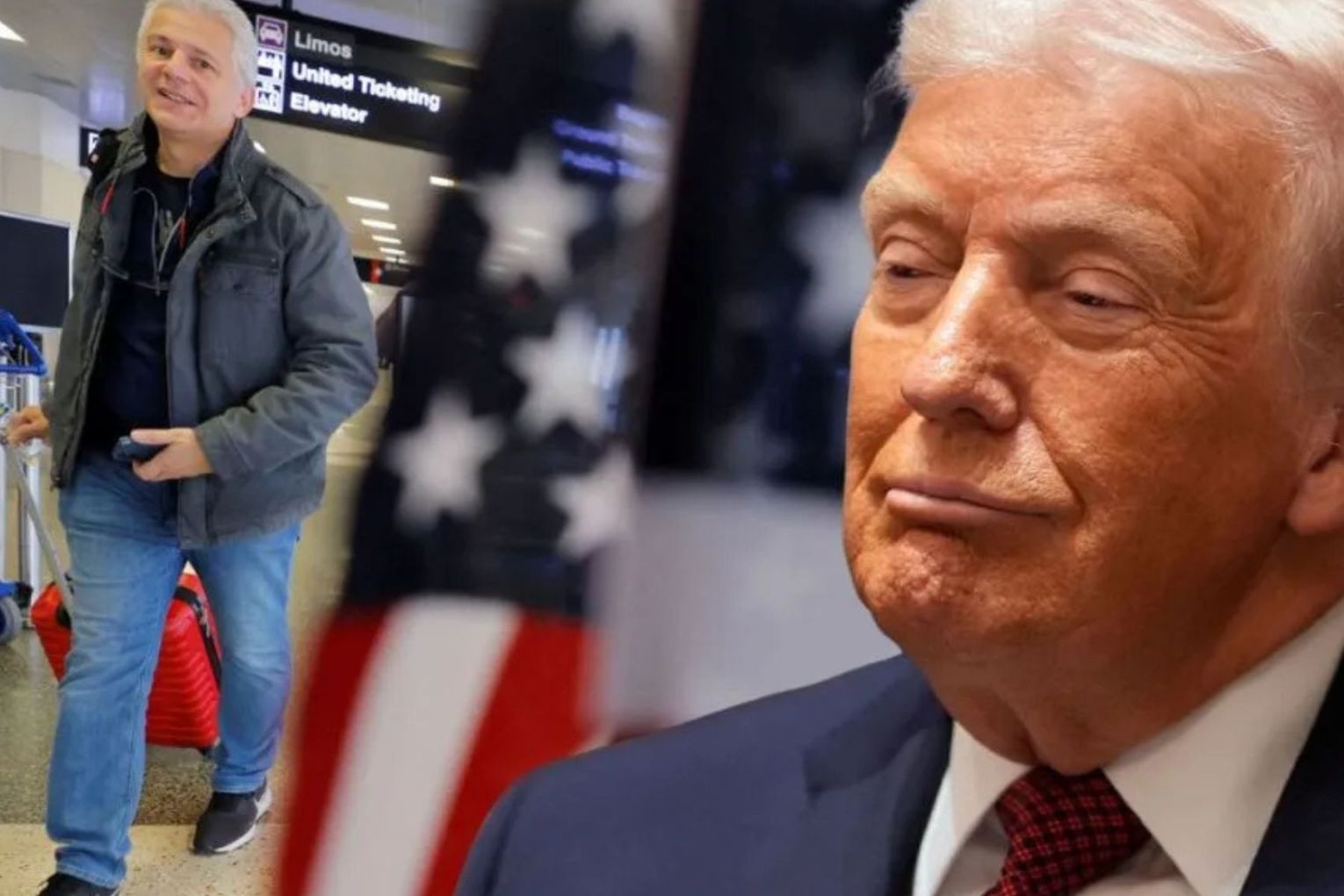
Tourists from 42 visa-free countries may have to provide a five-year social media history to enter the US under the border security changes.
This means visitors would have to supply their social media handles — and make them public — across all platforms dating back five years.
The Trump administration’s latest move could impact nations such as Australia, NZ, France and Japan that can visit without a visa for up to 90 days.
The measure also proposes gathering a person’s telephone numbers from the previous five years and email addresses going back 10 years and seeking more information about family members.
The proposal was filed in the Federal Register by Customs and Border Protection and the Department of Homeland Security this week.
“[Customs and Border Patrol] CBP is adding social media as a mandatory data element for an ESTA application,” states the notice.
You might like


“The data element will require ESTA applicants to provide their social media from the last 5 years.”
ESTA is an Electronic System for Travel Authorisation form that visitors to the US must complete.
Since taking office, President Donald Trump has ramped up border control measures, signing an executive order in January that he said was designed to protect the US from “foreign terrorists” and other “public safety threats”.
The move comes ahead of an expected influx of football tourists attending next year’s soccer World Cup, which the US is co-hosting with Canada and Mexico.
During Trump’s second term, more international travellers have been turned back from the US.
It prompted Australia’s Department of Foreign Affairs and Trade to issue a warning earlier this year that officials may ask to inspect travellers’ electronic devices, emails, text messages or social media accounts.
Stay informed, daily
A report in August from the Australian Bureau of Statistics showed the US had dropped from third to fourth spot in Australia’s top-five destination countries in 2024-25.
Earlier this year, a French scientist was denied entry to the US after immigration officers found messages on his phone critical of Trump’s cuts to research programs.
American border officers said the messages “conveyed hatred of Trump” and could be construed as terrorism.
In another instance, a doctor was deported to Lebanon after US border officers found “sympathetic photos and videos” of Hezbollah leaders.
German and British citizens also encountered problems at US airports, according to reports.
Germany and Britain joined several European nations – including Denmark, Finland and France – in announcing travel advisories for the US. Canada followed suit.
What steps can I take before travelling?
While most travellers do not have information, images or data on their phones or laptops that would concern US immigration, the American Civil Liberties Union recommends keeping as little information as possible on your devices.
It even advises travellers consider opting for cheap “travel-only” phones, or shipping devices to the US in advance.
Travellers can also consider storing images and data in the cloud, rather than on their devices.
The ACLU advises people to use strong and unique passwords, and to shut down all devices before crossing into the US.
Also consider setting up new email accounts, using password managers and logging out of apps such as social media.
-with AAP
Want to see more stories from InDaily SA in your Google search results?
- Click here to set InDaily SA as a preferred source.
- Tick the box next to "InDaily SA". That's it.