Reserve Bank reveals last interest rate decision of 2025
The Reserve Bank of Australia has made its last official interest rate decision of the year in a unanimous vote on Tuesday.
The Reserve Bank has left the official cash rate on pause to close out 2025, as had been widely expected.
The RBA’s decision at its final meeting of the year, which has just been announced, means official interest rates remain at 3.6 per cent – with markets suggesting the next move might be up.
It follows three cuts throughout 2025, which have collectively shaved more than $270 from monthly repayments for an average home loan of $600,000.
“While inflation has fallen substantially since its peak in 2022, it has picked up more recently,” the bank board said in its post-meeting statement on Tuesday.
“The board’s judgement is that some of the recent increase in underlying inflation was due to temporary factors and there is uncertainty about how much signal to take from the monthly CPI data given it is a new data series.
“Nevertheless, the data do suggest some signs of a more broadly based pick-up in inflation, part of which may be persistent and will bear close monitoring.”
You might like
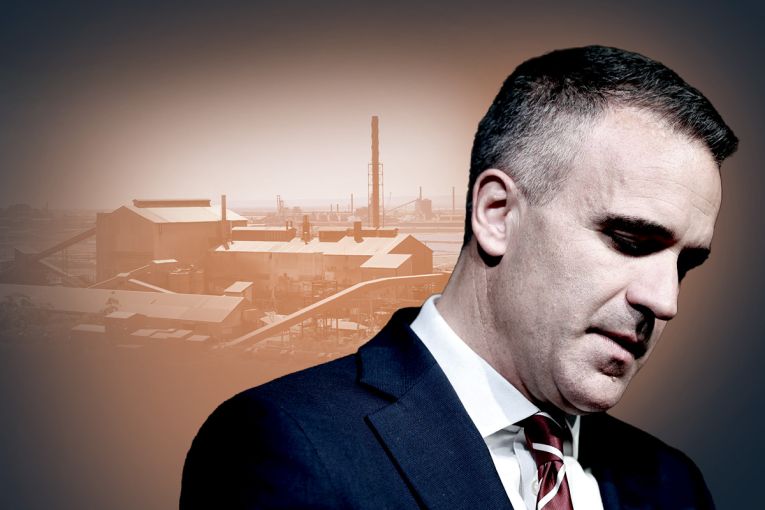
Tuesday’s decision was unanimous.
Further rate relief now looks less certain for homeowners, with the cash rate expected to remain throughout hold for much of 2026 – or even possibly rise.
The suggestion that this rates cycle has hit the bottom, and a lift could be on the horizon, contributed to business confidence plummeting to its lowest level since April, according to NAB’s monthly business survey. The index fell five points in November but remains just above zero, meaning more businesses are still optimistic than are pessimistic.
Business conditions also retreated three index points, as firms noted weaker profitability and trading.
“While the November result shows a break in the recent positive momentum in the survey, business conditions remain well above their early 2025 levels,” NAB chief economist Sally Auld said on Tuesday.
Stay informed, daily
Despite the fall in activity, capacity utilisation climbed to its highest level in 18 months.
The RBA’s concerns the economy is at capacity and cannot grow further without pushing up inflation are a key factor behind the reversal in rate expectations.
Auld said the survey showed the economy remained capacity-constrained.
“The capacity constraints in the economy have remained broad based with six of eight industries in November above their respective long-run averages in trend terms, the highest in over a year,” she said.
Recent inflation data showed the consumer price index rose to 3.8 per cent in the 12 months to October, while underlying inflation climbed to 3.3 per cent – both above the RBA’s 2-3 per cent target range.
Part of the recent jump in inflation was blamed on the end of energy bill relief measures. Treasurer Jim Chalmers said on Monday the federal rebates would not be extended past the end of 2025.
“We’ve encouraged people not to see these as a permanent feature of the budget,” he said.
The $75 quarterly rebates have so far cost the federal government, while the states have spent a further $3 billion.
Economist Chris Richardson welcomed the Albanese government’s decision as “really good news”.
“These subsidies are poor policy at the best of times, and even worse policy when Australia is still fighting the last mile of the inflation fight,” he wrote on social media platform X.
“Their removal on schedule is a good call.”
The Reserve Bank board next meets on February 2.
-with AAP
Want to see more stories from InDaily SA in your Google search results?
- Click here to set InDaily SA as a preferred source.
- Tick the box next to "InDaily SA". That's it.