These five Australian novels will get your book club talking
Each week thousands of members – mainly women – take their opinions to book club meetings at homes, bookshops and libraries across South Australia. Most of the time they don’t agree with each other.

Our research shows that often, the best book club experiences happen when people have different views about the book. In a world of echo chambers, where it’s increasingly rare for people to respectfully disagree, book clubs might be one of the few safe spaces people can get together to legitimately enjoy a decent disagreement. All in the name of a good read.
While regular reports warn us of the decline of reading in a digitally saturated world, research by Australia Reads says many of us want to read more – and more broadly. Book clubs allow people to prioritise reading while enjoying the company of others. People join book clubs to enrich their lives, to read and talk about books they wouldn’t otherwise – and to exchange and test ideas they may not have other opportunities to discuss.
These five subversive Australian novels promise to spark robust debate – and challenge those looking for an easy or pleasant read. Who knows: readers might even find that arguing over these novels will change their minds.
1. That Deadman Dance – Kim Scott
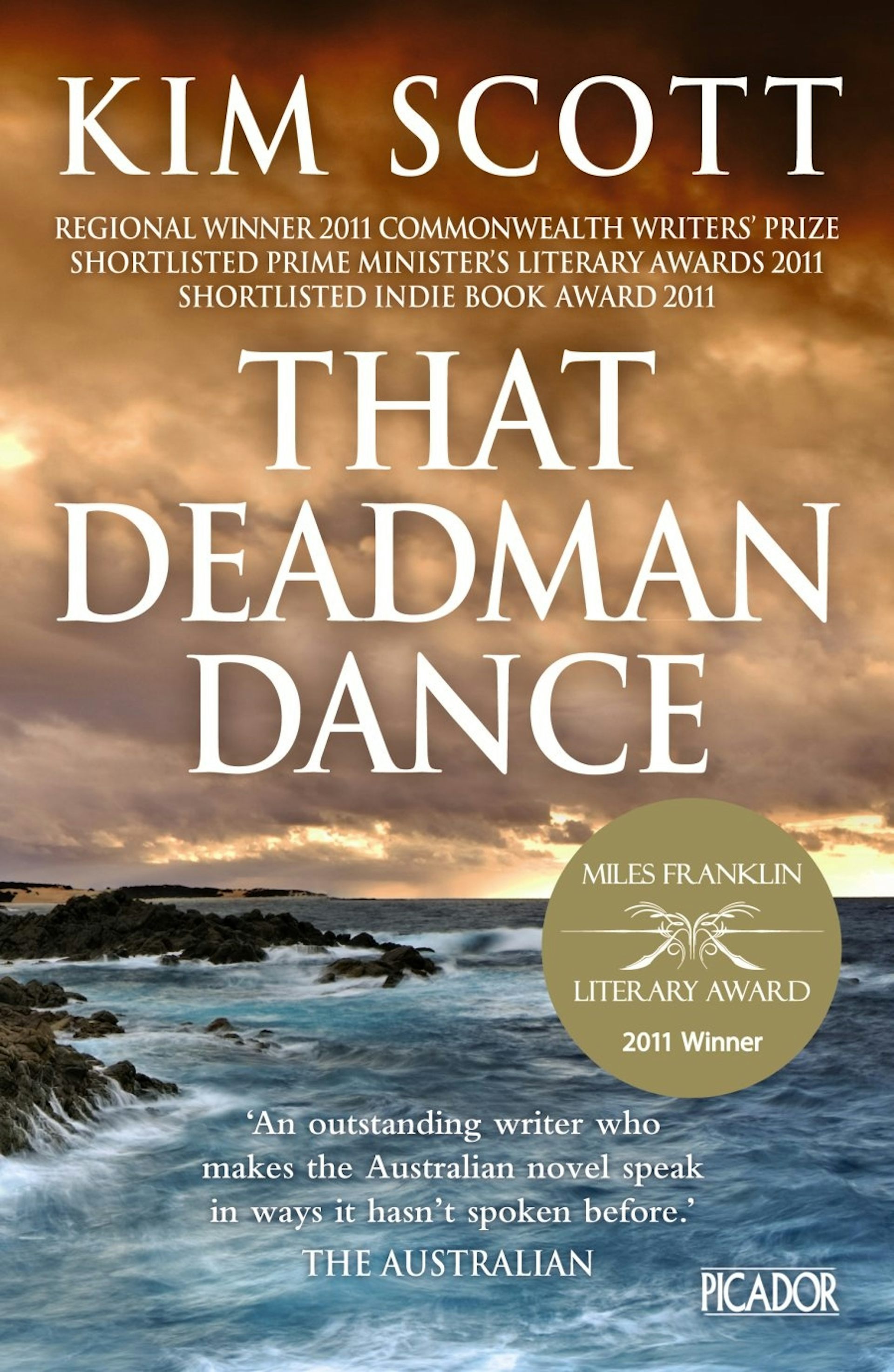
Kim Scott’s 2010 Miles Franklin-Award winning novel, That Deadman Dance, is set in the first decades of the 19th century in southwest Western Australia.
The novel’s tragic hero is Noongar man Bobby Wabalanginy, who initially befriends the white-skinned strangers from across the sea: the first settlers of what is now Albany, Western Australia. It’s a story of the shifting power relations in the early years of colonisation that led to violence, but could have turned out differently.
Historical fiction is a favoured genre for many, but this novel makes for painful reading. It invites its readers to make an empathetic leap into the world of a man from another time and worldview, at a key historical turning point. The success of that leap will vary, depending on the reader.
2. The Natural Way of Things – Charlotte Wood
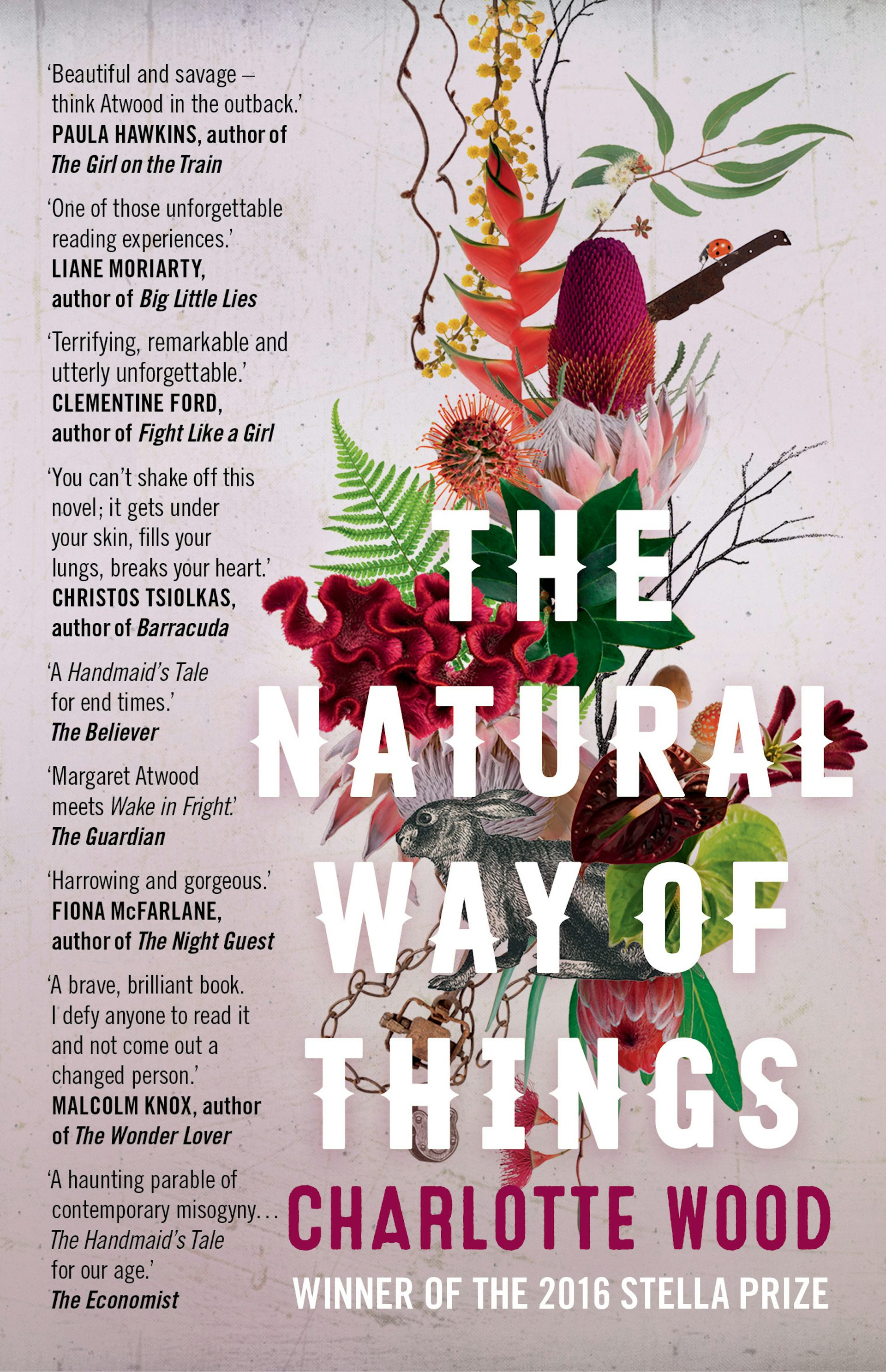
Readers often look to genre to determine if a book is for them. Charlotte Wood’s The Natural Way of Things, published in 2015 to great acclaim, is hard to place.
Part speculative fiction, part Australian gothic, part fable, this story of ten young women who have been drugged, abducted and imprisoned in the remote outback, as punishment for speaking out against sexual abuse by powerful men, is driven by palpable rage.
A staunchly feminist novel, it doesn’t let women off the hook either. The relentless misogyny and violence it depicts, and the lack of clear resolution, makes this Stella prize-winning novel a very demanding read.
3. Theory and Practice – Michelle de Kretser
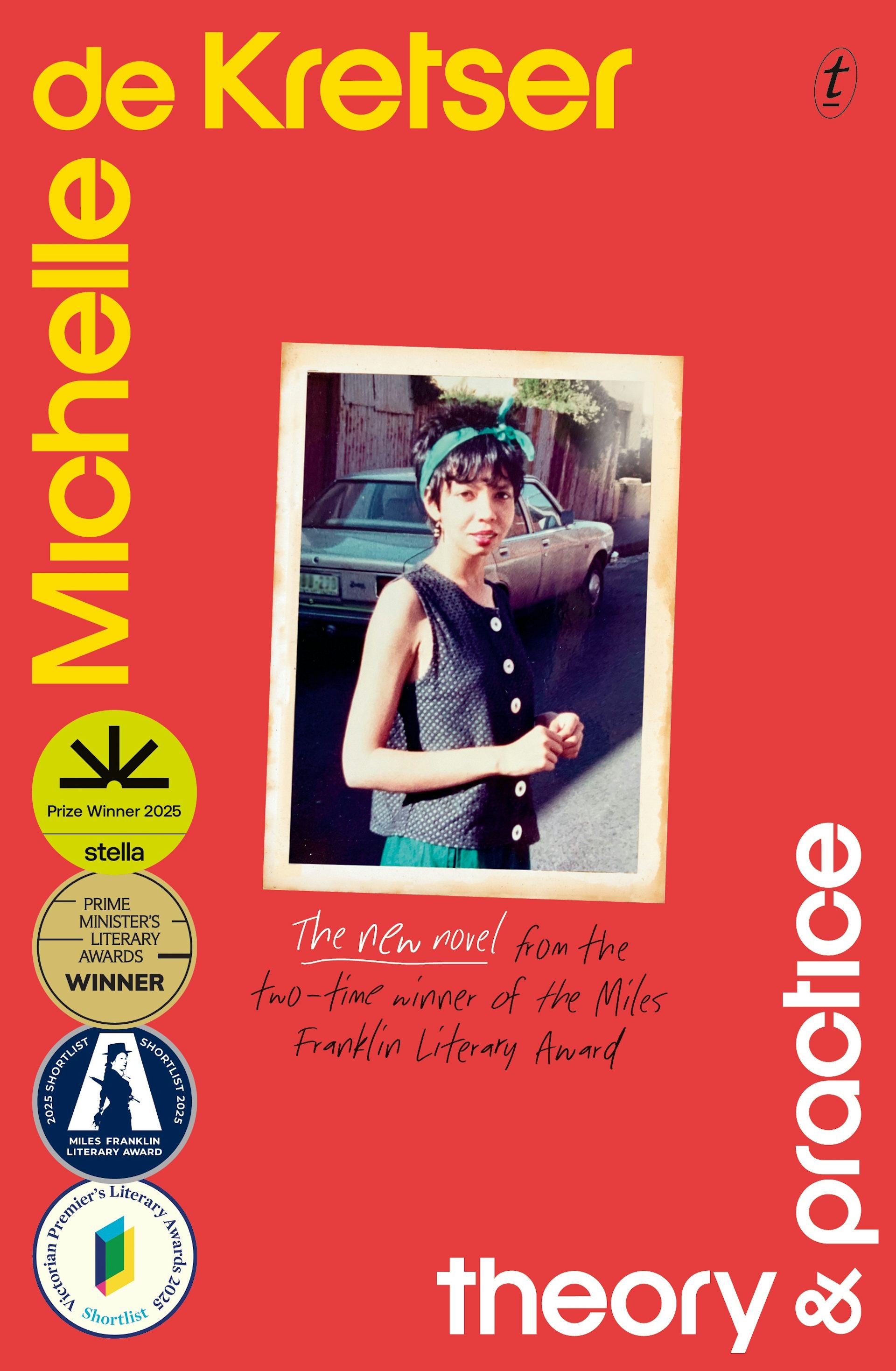
Michelle de Kretser’s Theory & Practice (2024) is a short novel of ideas sure to provoke lively book club considerations.
With its shifting narrative and unreliable first-person protagonist, the plot follows episodes in the life of the unnamed “writer”, from disturbing childhood memories in a “postcolonial” nation, to her Melbourne university days in the 1980s studying the novels of Virginia Woolf – and more recent encounters between her middle-aged self and the secrets of her past.
The photo on the cover of a youthful de Kretser inevitably invites the reader to conflate the lives of the author and narrator, and plays with the idea of autofiction. Yet this is a book that explicitly questions the relationship between identity, memory and truth, and the nature of storytelling.
As the narrator warns early on, “the book I needed to write concerned breakdowns between theory and practice”. For all its academic meditations (on art, politics, gender, race and economy), de Kretser’s compelling novel confronts every reader with the disconnect between their own theories and practices of living.
4. Wild Dark Shore – Charlotte McConaghy
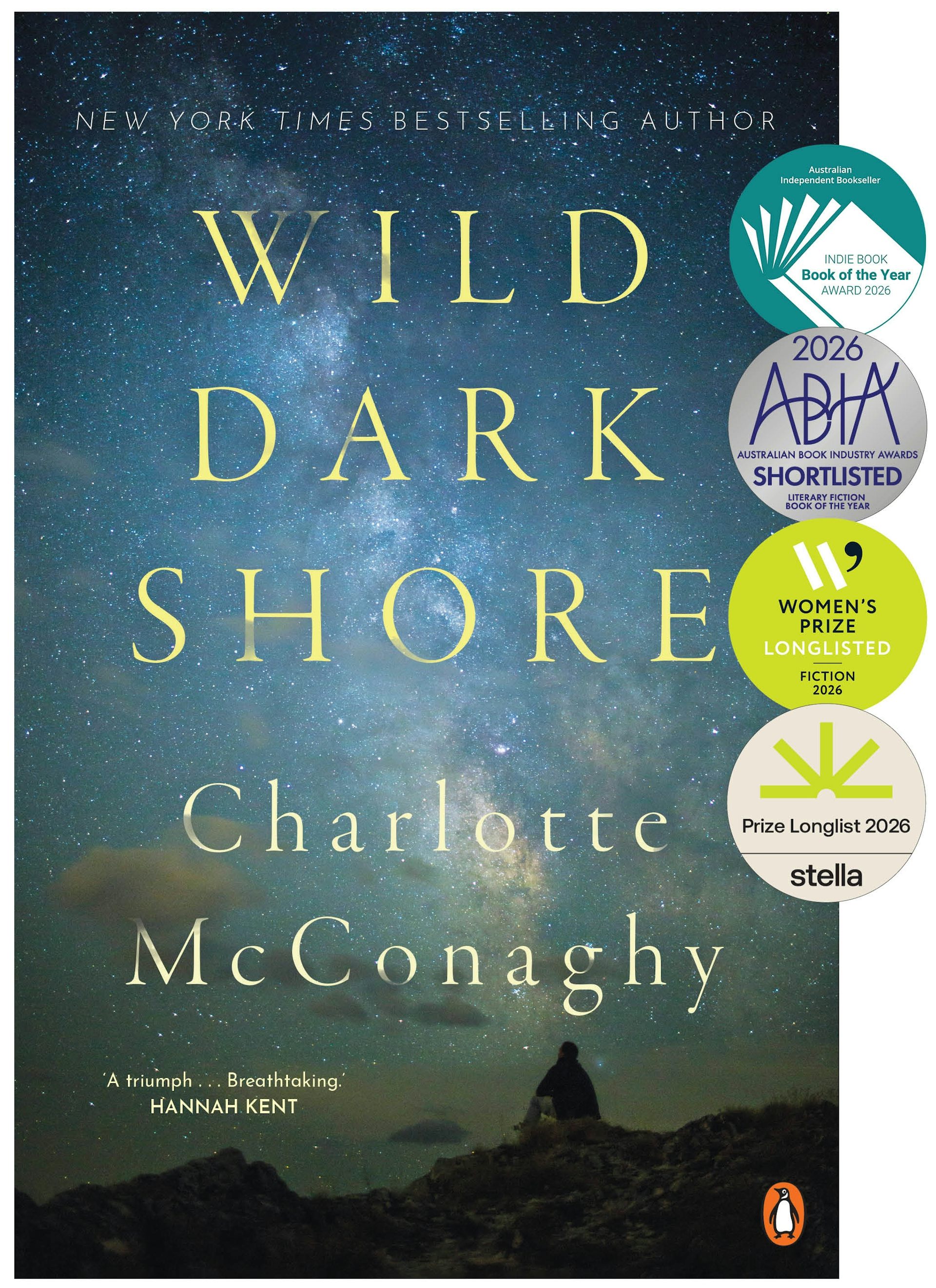
For most readers, plausibility matters: too many plot twists or generic shifts can make it hard to suspend disbelief. In this regard, Charlotte McConaghy’s Wild Dark Shore (2025) is sure to divide opinion.
A woman washes up on the shores of the fictional island of Shearwater (based on Macquarie Island) between Tasmania and Antarctica. The island houses a research station and seed vault, but the family on the soon-to-be-abandoned island have their own secrets. This novel is a love story, a thriller and a study in climate grief. It will appeal to those who like having genre expectations subverted, but others might wonder what they’re reading.
Some of the writing is deeply evocative and parts of it are very moving – but as it hurtles towards its increasingly wild conclusion, readers will surely argue over whether the novel was able to take them along.
5. Mantle – Romy Ash
Romy Ash’s Mantle takes us to Tasmania in the near future, as it follows a woman who returns from Melbourne to care for her dying mother, only to be stuck on the island in lockdown as a new pandemic sweeps the globe. But this fungal pandemic is different from COVID: no one is sure what it is or how it spreads, but its symptoms are strange and disconcerting.
We are familiar now with the idea that the human and non-human worlds are deeply entangled. Mantle pushes this truism to extremes, forcing us to confront our vulnerability and connection in ways some might find too bizarre or grotesque – some of the characters certainly do!
Maggie Nolan, Director of AustLit, Associate Professor in Digital Cultural Heritage, The University of Queensland and Robert Clarke, Senior Lecturer in English, University of Tasmania
This article is republished from The Conversation under a Creative Commons license. Read the original article.
Want to see more stories from InDaily SA in your Google search results?
- Click here to set InDaily SA as a preferred source.
- Tick the box next to "InDaily SA". That's it.