Festival programmers dance with death
The boss of Australia’s first major arts centre gave the state’s festival leaders a stark warning this week: “The sooner we acknowledge our pending extinction, the better”.
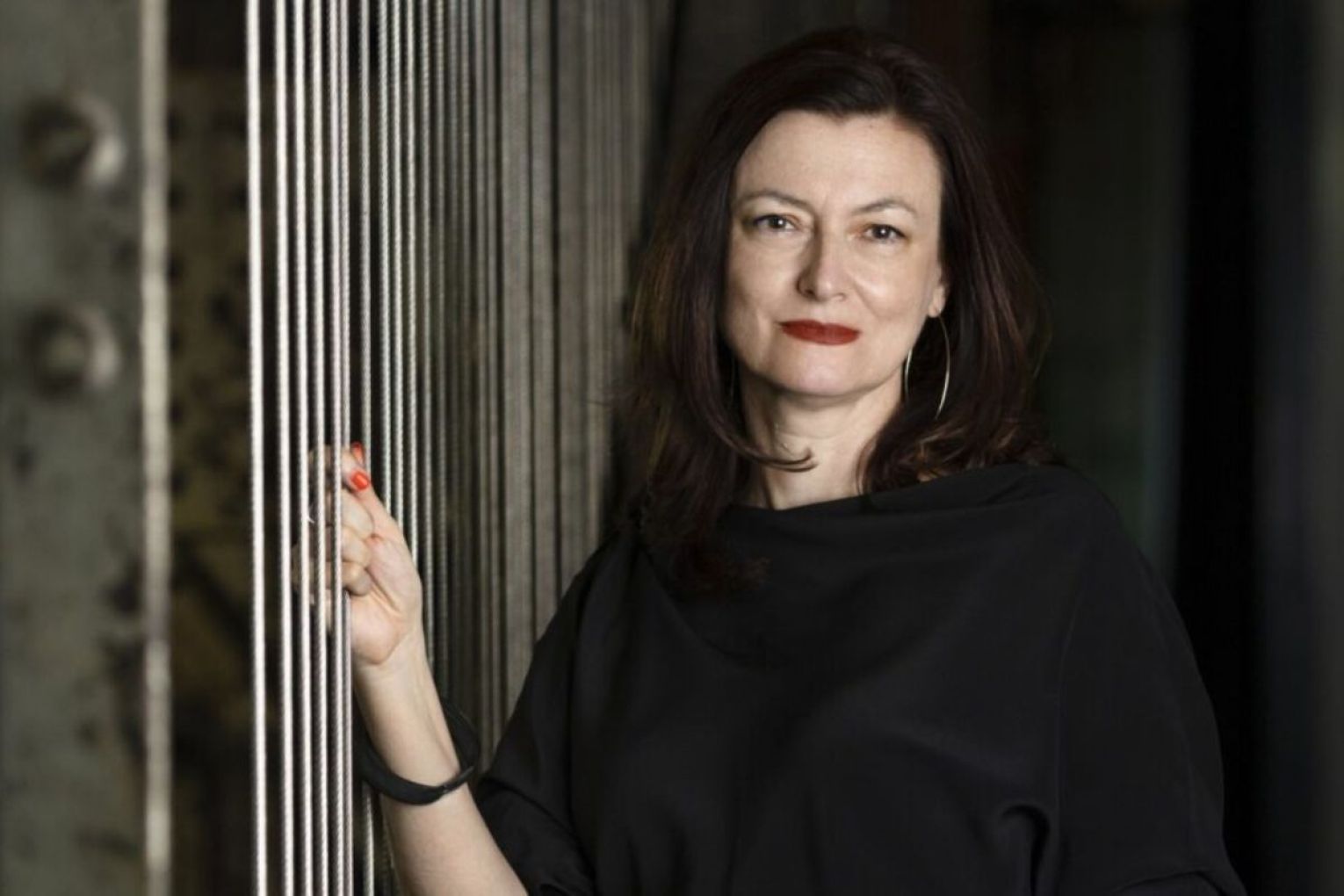
The festival programmer is dead, Adelaide Festival Centre CEO Kate Gould told a packed room at Adelaide Oval this week.
In an address to Festival City ADL’s Festival and Event Policy Summit, Gould said festival programmers must adapt to survive as younger consumers are looking for more than just a show to fill their evenings.
“We arts administrators are no longer simply programming seasons and expecting audiences to arrive obediently at 7:30pm because we told them that something was culturally important,” Gould said.
“The sooner we acknowledge our pending extinction, the better.”
She was drawing on Roland Barthes’ famous essay ‘The Death of the Author”, which says meaning is shaped by the audience.
Gould’s speech at the Summit was two days before the Adelaide Festival – this year plagued by a cancelled Writers’ Week – released its economic draw for the festival just gone.
Adelaide Festival generated an estimated $40.8 million in gross expenditure in 2026, and sold about 49,450 tickets in 2026, according to the festival’s annual report.
You might like

But this was half of its 2025 ticket sales of about 97,830, according to the 2025 Impact Report from the festival. Adelaide Writers’ Week drew a record-breaking 160,000 attendees in 2025.
The 2026 Adelaide Writers’ Week did not go ahead after a controversial decision from the Adelaide Festival board to drop a Palestinian-Australian author from the program – the festival now has a new board. Writers’ Week did not get a mention by any of the speakers at the annual Festival Summit.
As a free part of the festival program, Writer’s Week’s cancellation cannot be considered substantially responsible for the decline in ticket sales, the drop indicating a broader challenge the festival industry is facing.
It’s a similar challenge touring music festivals have faced for years; festivals Harvest Rock 2024, Vintage Vibes, Groovin’ the Moo and Wildlands all being cancelled due to economic challenges and a lack of ticket sales.
Gould – who is CEO of Adelaide Festival Centre, a separate organisation to Adelaide Festival – spoke about declining audiences hitting the industry across the board.
“One of the great contradictions of modern life, long-form storytelling is alive and well,” Gould said.
“Apparently we can’t sit through a two-hour play, but the supposed ADHD generation will happily binge-watch 90s TV Gilmore Girls, where two women drink coffee and talk very fast about nothing for 147 episodes.
“What it tells us is that audiences are not rejecting storytelling or emotional connection; in many ways they are craving it.”
Stay informed, daily
Gould said while the Festival Centre welcomes about 800,000 visitors and sells about half a million tickets each year, their “loyal and committed audience” is aging.
“That is not a criticism, it’s an observation,” she said.
“For young consumers, the experience often begins before they arrive and continues long after they leave.
“What they are rejecting are experiences that feel inauthentic, passive, or culturally disconnected from the way they live now, and that is why I remain optimistic about the future of the arts and entertainment, because what live performance offers is something digital platforms can never truly replicate: human connection, shared experience, emotional energy in a room, the feeling of being present for something unique and unrepeatable.”
For the Festival Centre, Gould said, reaching this cohort includes getting in early, with an ‘arts for every child’ plan to give school-aged kids opportunities to see shows and participate in arts activities.
Music is top of mind as “one of the most powerful drivers of identity, social connection, and participation in life culture” – Gould teasing an upcoming program that goes beyond youth-marketing and reaches audiences aged 18-45.
“Audiences today are highly attuned to authenticity; they can immediately sense when institutions are speaking at them rather than engaging with them,” she said.
“The challenge for our industry is not whether live performance still matters; it absolutely does.
“The challenge is whether we, as an industry, continue to evolve in ways that feel relevant to contemporary audiences.”
Also at the summit, Festival City Adelaide CEO Glyn Roberts called for community events – from Aussie surf culture to cane toad racing at the Port Douglas Hotel – to be protected.
Roberts said it was a “missed opportunity” that Australia had not opted into the UNESCO List of Intangible Cultural Heritage; “a list that once a practice is on it, it can be supported and protected”.
The list includes ancient practices from Taiwanese First Nations, tattooing and “more recent phenomena like flamenco, reggae, yodelling, Viennese coffee culture, and hundreds and hundreds of festivals”.
Roberts said the festival culture of South Australia was worthy of high-level protection.
“Other cities have festivals, Adelaide has made festivals part of its identity in a way that shapes how residents feel about living here, how visitors feel about coming here, and how the world understands this place,” Roberts said.
Want to see more stories from InDaily SA in your Google search results?
- Click here to set InDaily SA as a preferred source.
- Tick the box next to "InDaily SA". That's it.