‘Disrespectful’: Bodies left in SA hospital mortuaries for hundreds of days
Exclusive data reveals a sad backlog of bodies overwhelming SA hospital storage areas, many never claimed by loved ones. The backlog has grown so bad the state government is being called on to investigate opening a new site to store the deceased.
Four bodies of South Australians have been stored in freezers at the Queen Elizabeth Hospital for more than 200 days as of January 2, according to data released via Freedom of Information.
The longest time one body has been held at the QEH mortuary is 327 days as of January 2, and InDaily understands the person who died is still being kept there today, meaning the storage time has been more than a year.
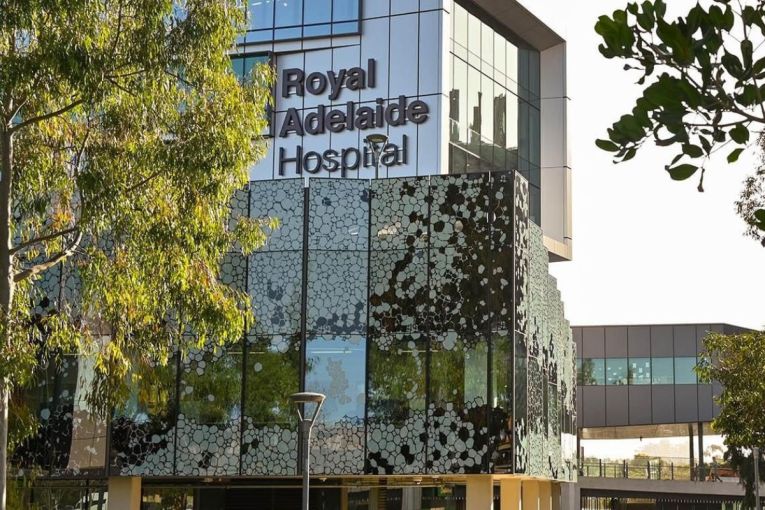
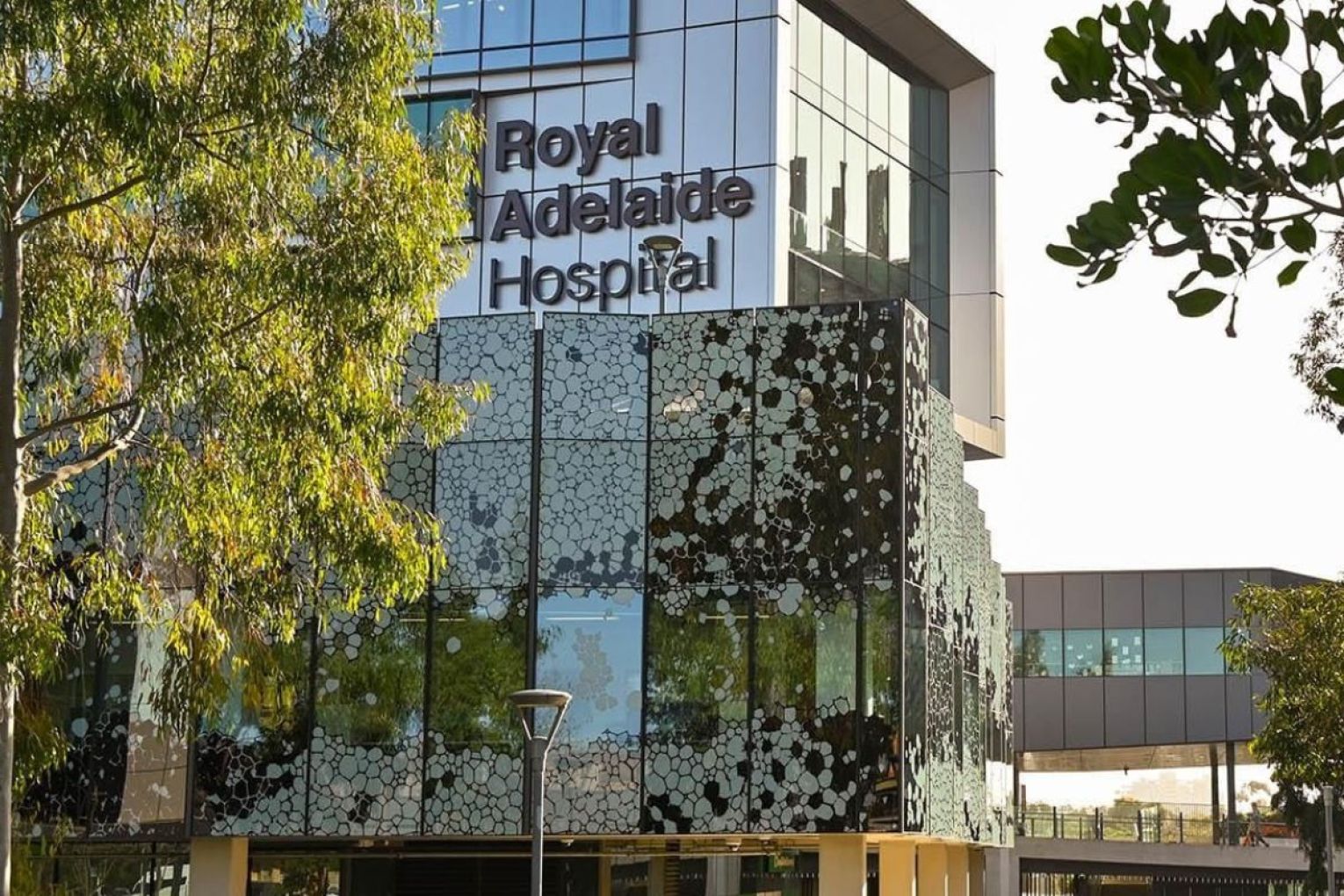
While the data shared exclusively with InDaily shows the Royal Adelaide Hospital has been forced to keep four bodies in its freezers for more than 100 days.
The growing storage times are placing immense pressure on hospitals and funeral directors across the state with Funerals Australia SA/NT Division President Sharon Moll saying “It’s disrespectful to the deceased to be left in a hospital freezer”.
The shocking figures also showed on January 2 this year that Flinders Medical Centre had stored several bodies for more than 150 days, while at the Women’s and Children’s Hospital a child’s body was kept for 60 days.
SA Pathology Executive Director John Doherty said the issue was ongoing and SA Health has written to the Attorney General’s Department to investigate establishing an off-hospital site to manage long-term storage of unclaimed deceased people.
“The current number of unclaimed deceased people is placing significant pressure on mortuary operations particularly during periods of increased demand across the public health system,” Doherty said.
“To manage capacity pressures as best as we can, we may have to transfer deceased people to other sites.
You might like

“Most cases are transferred from our hospital mortuaries to a funeral director within five business days. However, circumstances such as legal proceedings, cultural considerations, difficulties contacting next of kin or family travel arrangements may result in a person remaining in the mortuary for a longer period.
“Where a person is unclaimed because the next of kin cannot be located, the matter is referred to the Public Trustee who endeavour to resolve the issue.”
The growing problem has been “in the background” for years, according to Moll, who said “people are falling through the cracks” in the backlog of unclaimed deceased cases.
But while city hospitals and the Public Trustee work on unclaimed cases at metropolitan mortuaries, in the regions, funeral directors were relied on “whether they like it or not”.
“In the regions, it’s the local funeral director who gets called to the hospital to take the deceased away,” Moll, who has worked in the funeral industry in SA’s Riverland for eight years, said.
“We then have to hold that deceased and deal with all the problems that come from it if no one steps forward to take responsibility.”
In South Australia, when a person dies their next of kin is notified and then funeral arrangements can get underway. If the family cannot afford a funeral, the state has a Funeral Assistance program to support people with the cost.
But, if there is no known next of kin, investigations are undertaken through Births, Deaths and Marriages and referred to the Public Trustee if no one can be found.
The documents relating to body storage acquired through FOI by self-proclaimed transparency warrior Rex Patrick also revealed that in November last year, the Royal Adelaide Hospital mortuary’s long-term storage was at capacity.
In November, 25 per cent of the Royal Adelaide Hospital mortuary was occupied by unclaimed deceased people, according to an email sent by a mortuary staff member released under FOI.
Stay informed, daily
RAH staff were waiting for action from the Public Trustee – the government department responsible for locating next of kin – to inform next steps but the email chain showed a five-month delay for action on 13 cases.
Five of the 13 bodies had been in storage for more than 200 days.
“After several weeks, it gets to the point where you wouldn’t be able to do visual IDs and things like that,” Moll said.
“Quite often the family member would want to see them to know for sure it’s them, and that’s just not possible when they’ve been held for so long.”
SA Pathology operate mortuaries in four public hospitals, and uses specialised equipment to ensure those held for extended time frames are cared for respectfully and with dignity.
Moll said a dilemma many funeral directors faced was wanting to be respectful of the body while also facing a strain on their business.
“Even funeral homes have had months holding people and they don’t want to because they want that person to have the burial or cremation they deserve,” she said.
Funerals Australia wanted to see a government department “step in early” to locate loved ones to contact and if there was no one found, to approve burial or cremation.
“We would like to see timely and respectful handling of all deceased persons, regardless of their background… and not just leave them in the too hard basket,” she said.
The Public Trustee receives about 100 referrals of unclaimed deceased cases each year, a spokesperson for Public Trustee Tony Brumfield said.
The spokesperson said the Public Trustee will step in to organise a funeral if a family is located but has not acted after 12 months because “unfortunately, there are also numerous instances where next of kin either refuse to or fail to arrange a funeral”.
“While the time it takes to finalise a matter varies greatly from case to case, the Public Trustee makes every effort to resolve matters swiftly, while respecting the wishes of the deceased, and ensuring ample opportunity for family or next of kin to come forward,” the spokesperson said.
“The Public Trustee is continuously seeking to improve its performance and the process changed referred to involves additional advertisements placed in the [death notices] in an effort to increase the likelihood of finding next of kin.”
The spokesperson said there were “a range of reasons why a body is not claimed” and the Public Trustee receives referrals from agencies including Housing SA, the Coroner, hospitals, SA Police or even acquaintances of the deceased, after the person making the referral has been unsuccessful at attempting to locate next of kin.
“This means that, by the time the Public Trustee becomes involved, the deceased’s body may have been held for a considerable period of time before the Public Trustee begins its work to determine whether a valid Will exists, or locate next of kin – using relevant government records and advertising in the public notices or death notices,” the spokesperson said.
“If these searches are successful, it’s the responsibility of either the next of kin or the will’s executor to arrange for a funeral. In instances where searches do not yield any results, the Public Trustee will arrange to lay the deceased to rest.”
Want to see more stories from InDaily SA in your Google search results?
- Click here to set InDaily SA as a preferred source.
- Tick the box next to "InDaily SA". That's it.