SA financial institutions taking on the Big Four banks
Three of South Australia’s top companies detail lending numbers, assets, investments in community and why so many locals are making the switch from the big banks.

As Australia’s big four financial institutions post record-breaking profits, three of South Australia’s top companies are taking an alternative approach that’s paying dividends for customers.
By utilising a membership-based structure, these three ‘mutual’ banks turn their own profits into benefits for customers.
And all three landed on the South Australian Business Index this year.
People First Bank rose an impressive 13 positions in 2026 to hit the number five spot, above oil and gas player Beach Energy.
Credit Union SA rose by 59 positions to come in at number 57, while Police Credit Union debuted in 2026 at number 69.
InDaily spoke to the CEOs of all three institutions to find out how they are delivering for members in a stubborn interest rate environment, and how they are different to ANZ, the Commonwealth Bank, NAB and Westpac.
People First Bank – CEO: Steve Laidlaw
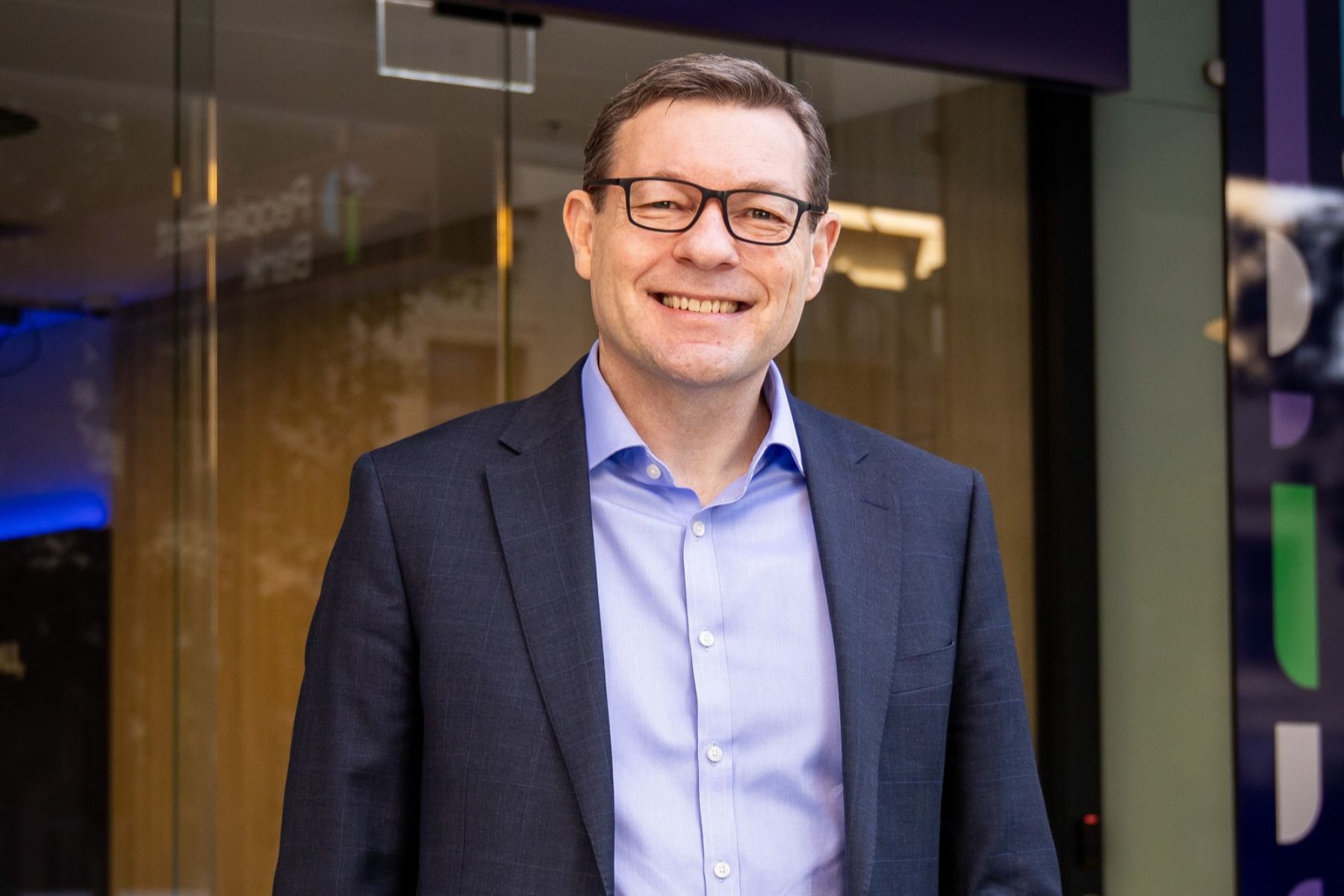
What is People First Bank doing differently to the Big Four?
Steve: We have only one stakeholder – our customers. That makes a big difference to how we operate and the decisions we make. We can focus on doing what’s right for customers rather than balancing their interests against the expectations of shareholders.
In an era of record Big Bank profits, how is People First Bank delivering value back to members?
Our profits are reinvested for the benefit of customers, through better products, technology, security and service. We also contributed $9.3 million to communities across Australia last year.
Why do customers come to People First Bank over traditional financial institutions?
People want good value and a great banking experience, but increasingly they also want to deal with organisations that do good. We can offer both. Our customer-owned model means our focus on customers and communities is built into how we operate. It is not something we have added to make ourselves look good.
You might like


PFB shot up the ranks in the SA Business Index in 2026. What is driving this massive growth?
Our growth reflects the strength of what we’re offering customers. Lending grew eight per cent to $22.8 billion, deposits were up three per cent to $20.7 billion and total assets reached $27 billion last financial year.
How does PFB use technology to stay ahead?
Customers don’t just compare us with other banks anymore. They compare us with the best digital experiences they have anywhere. That’s the standard we need to meet. We are investing $250 million in modernising our technology to make banking simpler, faster and safer, while making it easier for our people to provide personal support when customers need it.
How many members does PFB have now?
We have around 750,000 customers across Australia and welcomed more than 36,000 new customers last financial year.
It has been some years since the merger with Queensland’s Heritage Bank to form PFB. How has that transition been for the growth of the business?
The merger gave us the scale to invest in things neither bank could have delivered as well on its own. We have spent the past three years bringing two banks together, simplifying our business and building the technology we need to compete. It has been a significant undertaking, but we are now seeing the benefits for customers and the business.
Credit Union SA – CEO: Todd Roberts
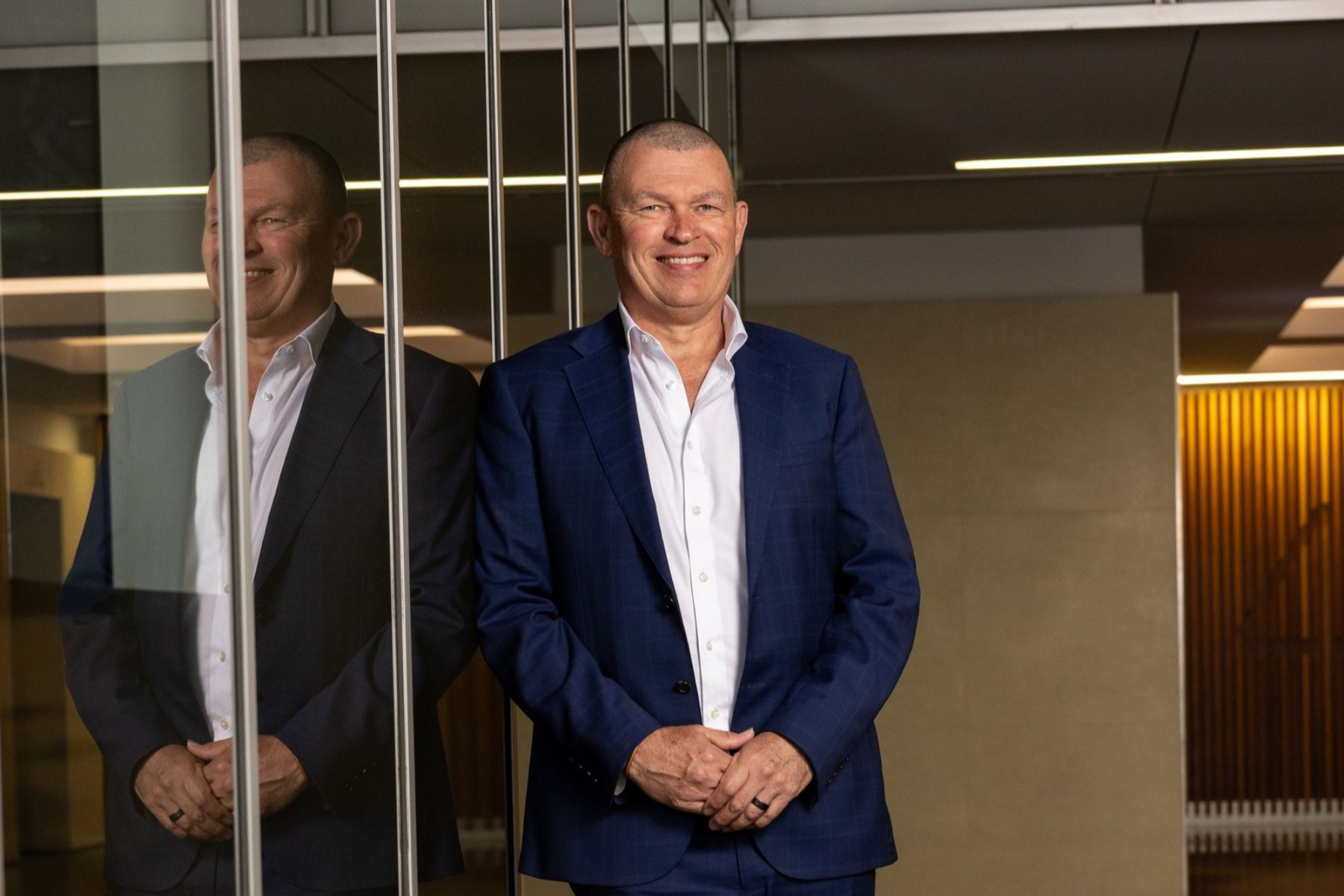
What is Credit Union SA doing differently to the Big Four?
Our point of difference is being member-owned and focused on South Australia which means we are closer to the people and communities we serve, and that’s what sets us apart. This coupled with being local and nimble allows us to be member-centric for the South Australians we support.
Being member-owned means we can reinvest into business sustainability, our members and our community, enabling us to take a longer-term view of the relationships we build.
In an era of record Big Bank profits, how is Credit Union SA delivering value back to members?
Profit matters to us, but what matters just as much is what that profit enables us to do.
It allows us to strengthen the organisation, invest in technology and services, support our people and continue contributing to the South Australian community.
An example of our community connection is our partnership with Foodbank SA. We donate 20 meals for every eligible home loan settled or home built through us, and we’ve now passed 65,000 meals.
Our School Impact Program is another example. Schools tell us what their community needs, and we back them. Over the past three years we have put over $320,000 into more than 75 school communities across metropolitan and regional South Australia, and we are well on track to exceed $1 million donated by the 10-year mark in 2033.
That’s the difference I always come back to. Financial strength isn’t the end goal. It gives us the capacity to do more for members and the community.
Why do customers come to Credit Union SA over traditional financial institutions?
I think increasingly people want banking to be easy without becoming impersonal.
Our members can do the day-to-day things digitally through our app and internet banking platforms, but when something is more complex, or life doesn’t go according to plan, they can still speak to someone locally.
Stay informed, daily
That can be particularly important when you’re buying a home, experiencing financial difficulty or making a significant financial decision. We are always here for those moments that matter.
Credit Union SA is doing some interesting things in the construction space. Can you explain how you’re assisting the surge of housing construction?
This is an area where being South Australian and having people who understand the local market really matters.
In 2023, we set up a dedicated Residential Development Finance team to work with South Australian developers who are helping to deliver more housing into the market, particularly in the small-to-medium project space. We now have more than $150 million in approved projects, and we’ve supported the construction of 367 new homes through development finance.
Housing supply is a significant issue for our state. Our role isn’t just at the point where somebody takes out a home loan. There’s an opportunity to support the supply side as well, by backing sound local projects and working with people who are delivering homes.
How many customers does Credit Union SA have now?
We now have 53,588 members, and we welcomed another 2,548 new members in FY26.
That growth is pleasing, but the number I’m equally interested in is how many of those people see Credit Union SA as their main bank.
Do you have details of the group’s FY26 results?
We finished FY26 with $2.35 billion in total assets and net profit after tax of $5.368 million.
We also welcomed 2,548 new members and supported 1,822 members with a home loan, including 186 first-home buyers and continued investing in our technology and community partnerships.
Police Credit Union – CEO: Nick May

Why are people choosing Police Credit Union?
Nick: I think there are a couple of reasons. Police Credit Union, like many mutuals, takes a relationship-based approach to banking, and I think people increasingly appreciate that. Mutuals also punch above their weight on competitiveness. Good products, good service and competitive rates are essential, and mutual banks do a good job of delivering them.
You’ve been with the organisation for about five months and took over as CEO at the end of July. What have you noticed about its culture so far?
My first observations have been very positive. Our people are engaged, inspired and motivated to deliver on the organisation’s strategy, which is broadly about returning value to members and supporting our bonded members. Staff engagement has been high for a number of years, which is a great environment for a new CEO to walk into.
There’s also a high level of capability across the organisation, including in the executive team. The organisation is financially stable, with a strong profit, good growth and a relatively strong cost-to-income position. Those foundations—people, financial performance and culture—put us in a good position to shape and implement our strategy.
Are customers also drawn to the mutual model because they want to know their money is being returned to members rather than shareholders?
Definitely. One of the challenges is explaining what being a mutual bank means. Our governance structure means we don’t have to return dividends to shareholders. Our profits go back into the business and to members through products, services, branches, staff, our contact centre, the customer experience and community investment. The model lets us return value to customers, who are also our members and owners.
Police Credit Union reported record lending, including $272 million in home loans and $72 million in personal loans. What’s helping members choose you for finance?
We pride ourselves on being competitive on price and rates, which is one way we return value to members. Personal service is also important. We have seven branches across South Australia and the Northern Territory. When people are dealing with something complex or an important moment in their lives, they often want to talk to someone and get help.
Our connection to police and other emergency services is important too. Relationship managers visit stations and hospitals to help people with their banking needs. People in those jobs work shifts and may find it difficult to get to a branch, so we try to bring banking solutions to them.
You now have more than 42,000 members. How has membership grown?
We have just over 42,000 members, and membership growth has been fairly consistent. We had around 13 per cent growth in lending and 15 per cent growth in deposits. For an organisation our size, sustainable growth is important. We don’t need to grow just for the sake of it; it’s about quality over quantity and continuing to return value to our members.
What do recognitions such as being named among the world’s best banks, one of Australia’s best credit unions and the South Australian Business Index mean to you and your members?
It’s great recognition for a business that’s doing well, and for our people, who play a big part in how we serve members and return value to them. We’re a hands-on organisation, with a substantial branch network for our size and enough people in our contact centre to serve customers.
I think it’s also good for members to see their organisation recognised and to know it’s punching above its weight. And as a proud South Australian, I’m pleased to see our name alongside so many other strong organisations in the state.
Want to see more stories from InDaily SA in your Google search results?
- Click here to set InDaily SA as a preferred source.
- Tick the box next to "InDaily SA". That's it.