Barossa Mayor on tourism building blitz in valley
A swathe of new tourism projects are in the pipeline across the Barossa Valley, with work starting on a dedicated cultural hub and a new golf resort getting the green light. See the projects.
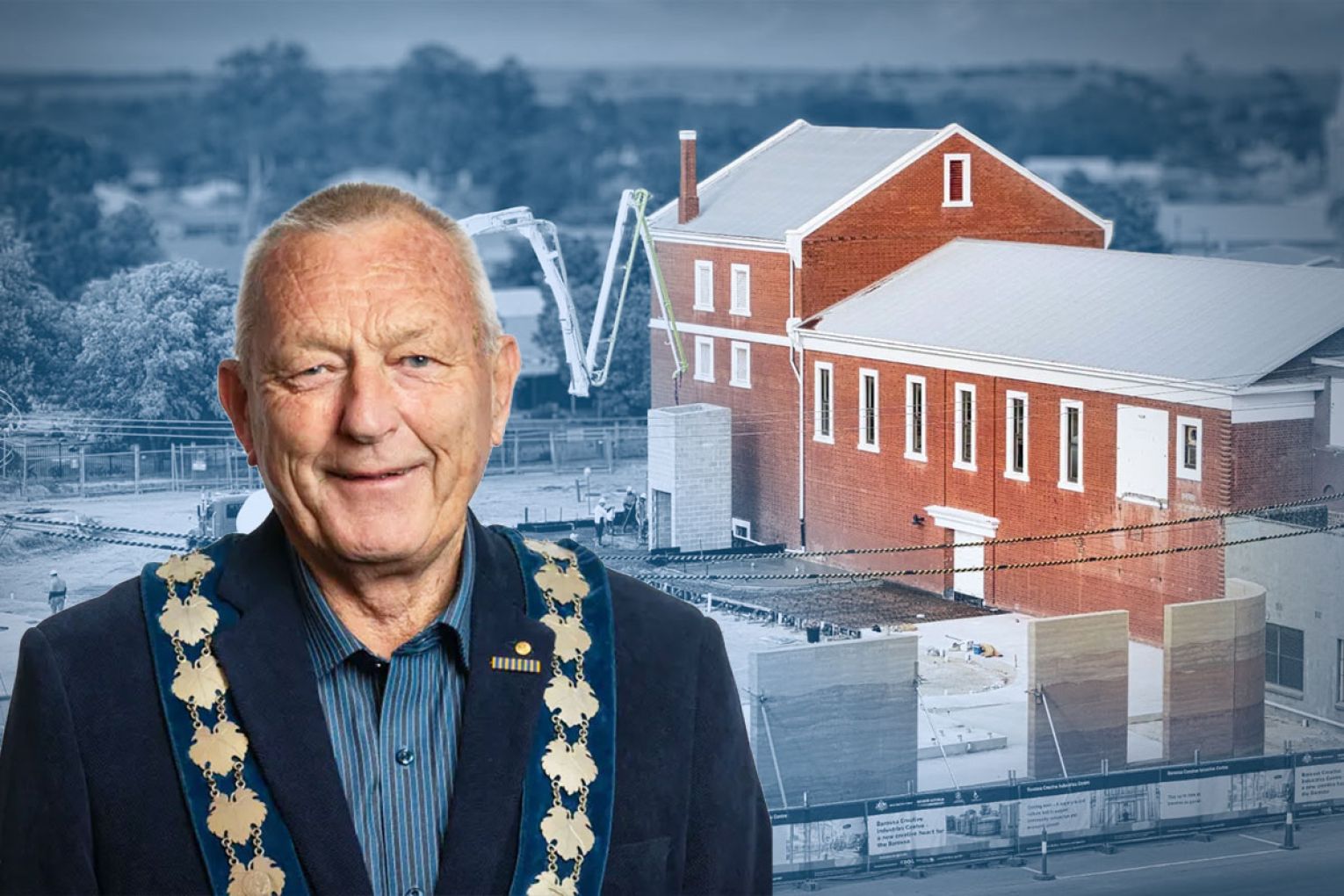
The Barossa Valley is seeing a flurry of new tourist accommodation developments set to rise over the coming years, with local Mayor Bim Lange saying that “without a doubt, the Barossa still remains one of Australia’s premier wine and food destinations”.
Initial works are underway on the $18.5 million expansion of the Barossa Regional Gallery to create the Barossa Creative Industries Centre – a cultural hub and creative industry precinct on Basedow Road in Tanunda.
Meanwhile, former football star Neville Roberts’ $30 million Barossa Valley golf resort was recently approved after years of being knocked back by assessment panels. Roberts played for West Torrens before switching to the VFL and playing for Richmond. He later returned to South Australia and played for West Torrens and Norwood.
The resort was expected to include luxury accommodation, a restaurant, pool and conference facilities just down the road from Lyndoch’s new Gather Round oval.
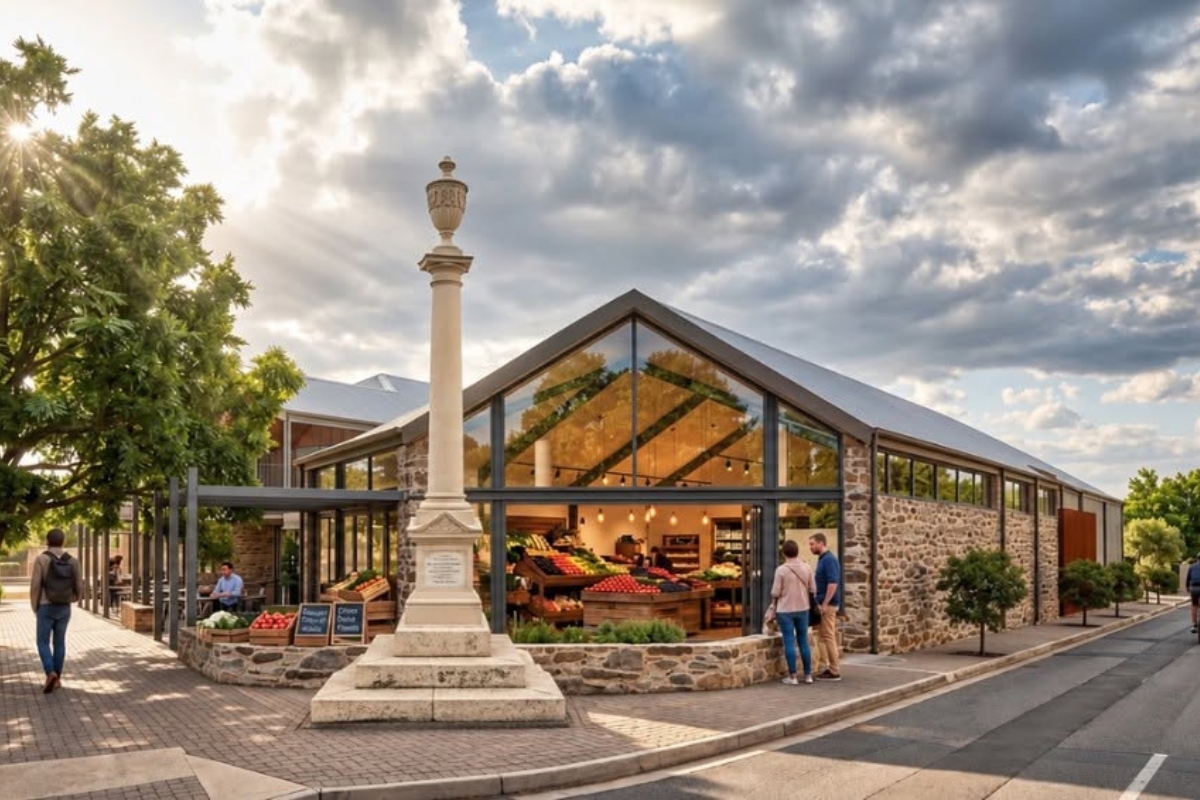
Another new development in the pipeline is the $2.5 million Tanunda Central Market project that was expected to refresh the site with a new greengrocer, a café, a restaurant and bar, and four boutique retail shops.
Lange said council was actively involved in promoting eco-tourism attractions, with reservoirs opened up for fishing, canoeing and kayaking, while cycling trails have been created throughout the Barossa Valley, including through Mount Crawford Forest.
You might like
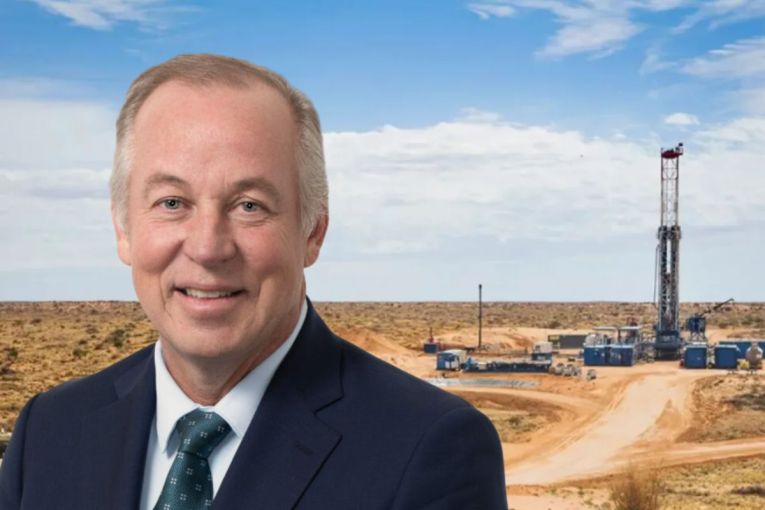

Council was also responsible for promoting high-end events like Gather Round, Lange said, which injected an estimated $10.6 million into the local economy.
“We’ve got to take these opportunities and explore them further and invest in our local businesses, which are vital for our regional economy,” he said.
“High-quality tourism accommodation supports local jobs, our cellar doors – they’re struggling a little bit at the moment – our restaurants and our main street retailers in our township.”
South Australia Tourism Commission data showed that up to December 2024, there was a recorded $287 million in visitor spend with 244,000 overnight visitors and 898,000 day trips to the Barossa.
It comes as the Barossa Council assessment panel is set to decide on an application to build 52 accommodation units in Murray Street, Tanunda.
Stay informed, daily
The $10 million development would see the existing Barossa Weintal expanded with three double-storey buildings and four single-storey buildings, as well as a new swimming pool and playground.
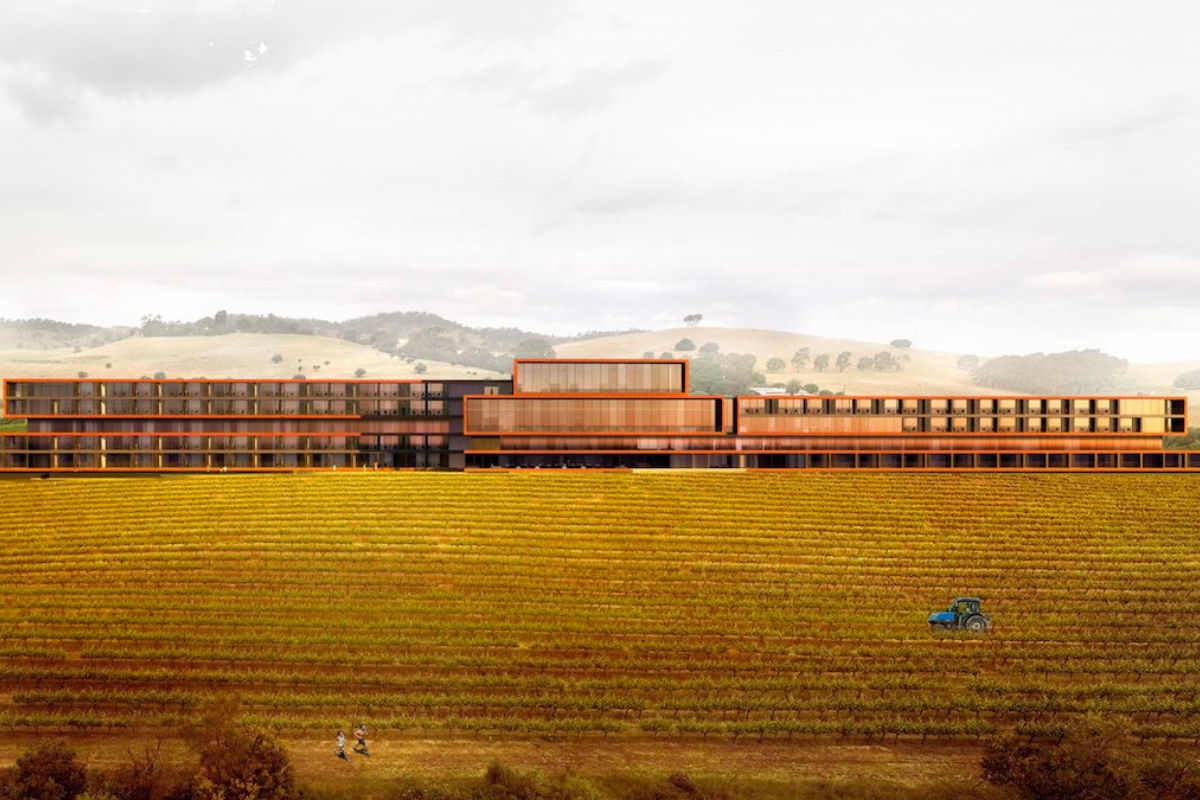
Meanwhile, the 150-room InterContinental Barossa Resort and Spa near Lyndoch has won approval
The $100 million development would also include a premium restaurant and function facilities, a wellness spa, a pool and a gym.
Meanwhile, Light Regional Council is assessing a separate application to build three freestanding detached dwellings on Presser Road, Tanunda, with six guest suites and another six suites in a guest house.
The developers also want to build an ancillary cooking school, a dining room, an office, a swimming pool and a manager’s residence.
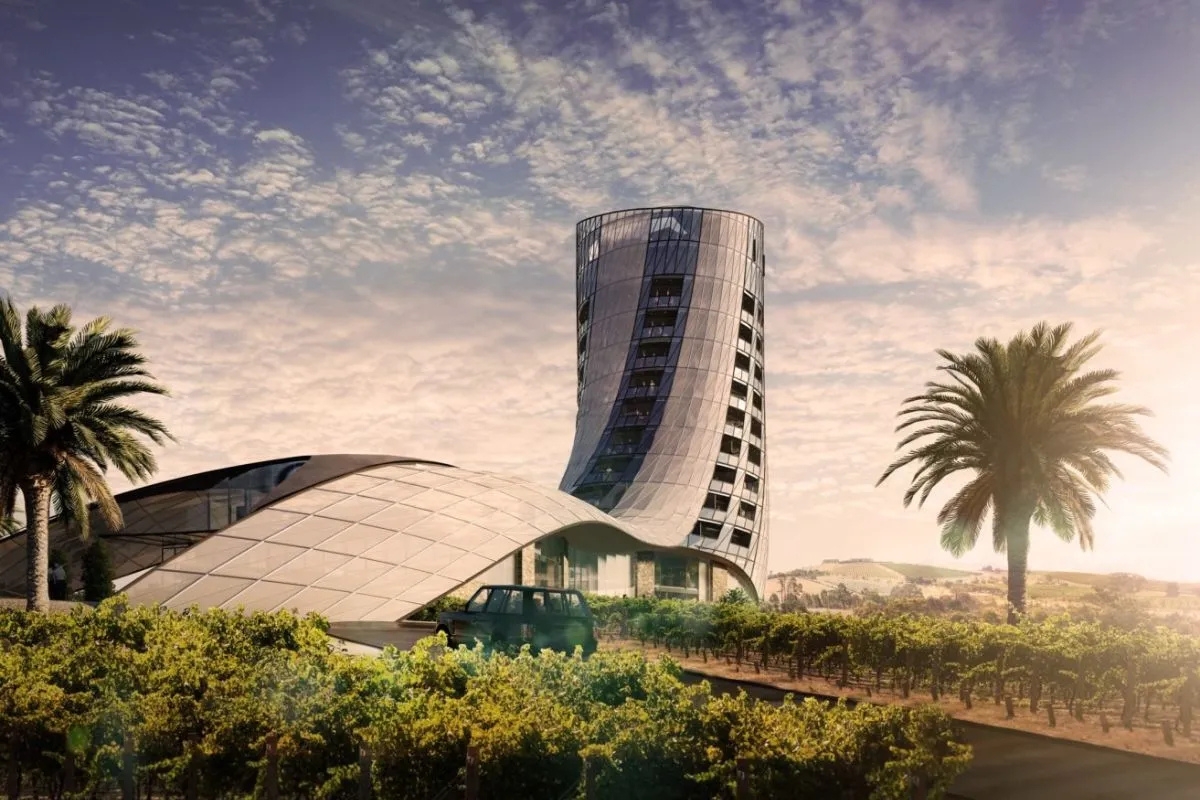
Other planned tourist accommodation in the Barossa Valley includes The Oscar, dubbed the Slug at Seppeltsfield, a plan to build an imposing and controversial 12-storey, 75-room luxury hotel.
While he was supportive of sustainable development, Lange said it could not come at the expense of the region’s identity.
“The caveat I must always put on these things, however, is that any growth must strike a careful balance between bolstering tourism, but we need to still preserve the unique character, the heritage, even our agricultural integrity for the whole of the Barossa,” he said.
This included taking into account where growth occurred to ensure township boundaries are protected.
Lange said Barossa Council was currently working alongside neighbouring councils – including Light Regional Council, Mid-Murray Council and Adelaide Hills Council – to review its heritage and character preservation areas, which would be out for consultation shortly.
“We are aware, and we hear the community’s desires to safeguard what makes the Barossa special, and that’s what council wants as well,” he said.
“Development cannot come at the expense of our region’s identity and landscape, but we can’t shut the door and give a message that we’re closed for business.”
Want to see more stories from InDaily SA in your Google search results?
- Click here to set InDaily SA as a preferred source.
- Tick the box next to "InDaily SA". That's it.