SA free range egg farmer clawing away bird flu threat
A local egg grower running chickens across paddocks protected by big, white Maremma dogs is battle ready for the bird flu fight– as a new push to promote SA produce kicks off.
The co-owner of a Fleurieu Peninsula free-range egg business is staring down the looming threat of bird flu with a steely resolve, saying his company has been preparing for the potentially devastating virus for a decade.
Ian Anderson, a co-owner of feather&PECK alongside founder John Byrne, told InDaily that his egg farming operation was uniquely placed to weather a potential viral storm thanks to the model that has made his produce increasingly popular.
Founded a decade ago, feather&PECK works cooperatively with seven family farms on the Fleurieu where eggs are produced using regenerative farming practices.
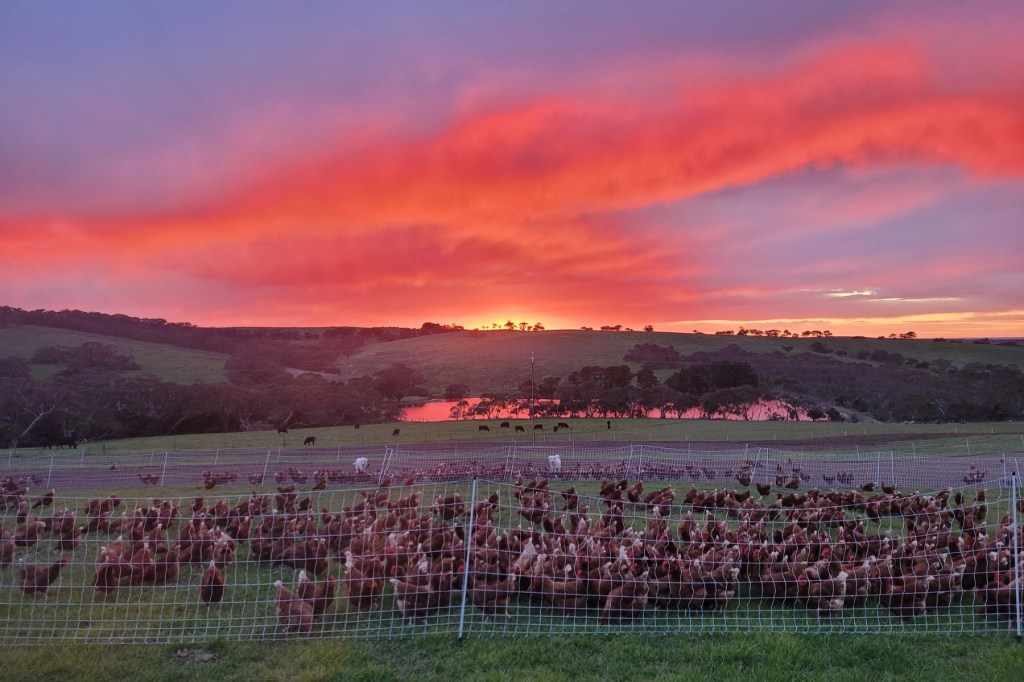
Farmers buy specially-made vans that hens roost in at night. By day, the birds roam freely, pecking at farmland, eating bugs, grain and cow pat, and enjoying the crisp Fleurieu air, and the eggs they produce are then purchased back by feather&PECK.
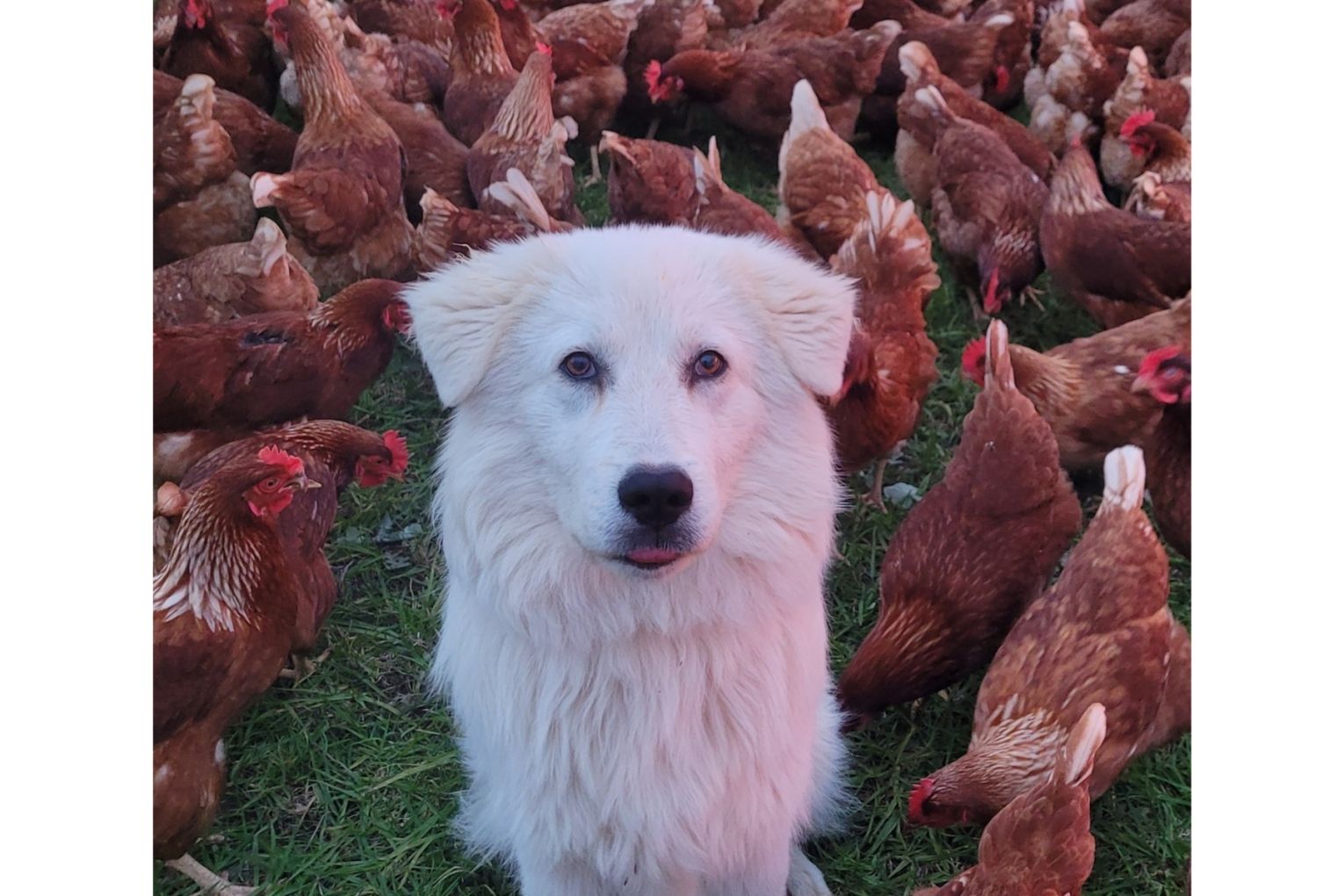
All the chickens are protected from predators like foxes, by 18 specially-trained Maremma sheepdogs – big white beauties that also grace the packaging of feather&PECK’s egg cartons.
Because the birds are trained to drink from water nipples underneath and inside the vans, they avoid bodies of water, like dams, where migratory birds potentially infected with bird flu, like ducks, might land.
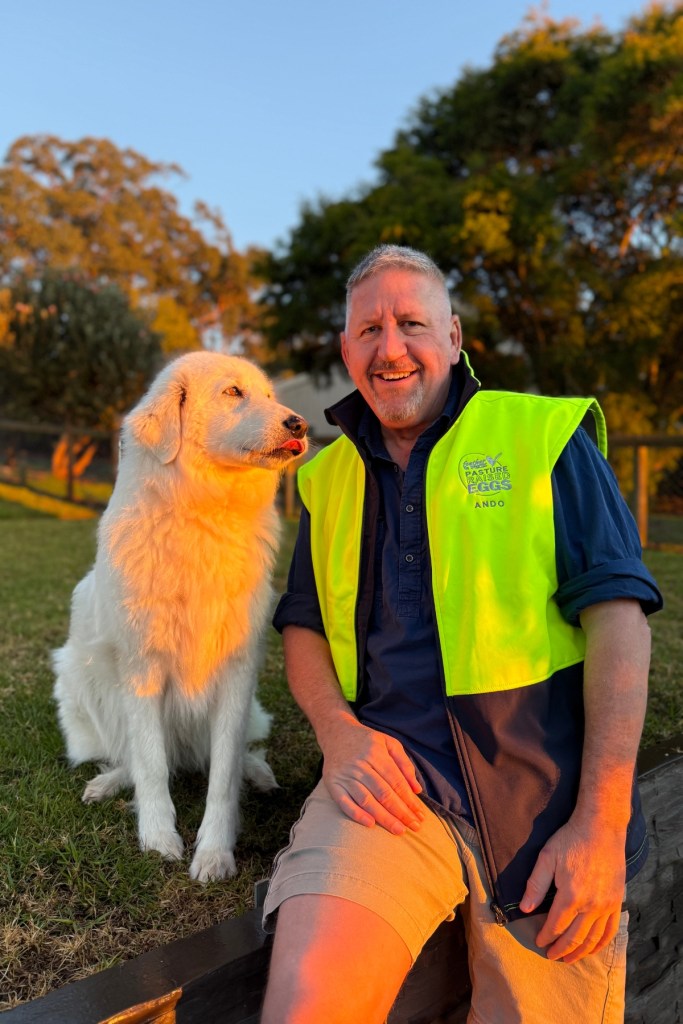
“It’s common sense,” Anderson said.
“Be alert, don’t be alarmed. We’ve been preparing and protecting ourselves as best as possible for this the entire 10 years we’ve been in business, and the same goes for every poultry farmer in Australia.
“The important takeaway out of this is that eggs and chickens are safe to eat as long as you handle them in the normal manner and cook them appropriately in the normal manner.
You might like
“Do we have concerns? Absolutely we do, but we’ve had them for 10 years.”
It comes as more than 80 dead and sick greater crested terns were on the weekend found on an island in South Australia called Baudin Rock – just off the Limestone Coast near Robe.
Testing of birds is underway, with SA’s chief vet Sky Freuan saying it was likely the first mass mortality event from the H5 bird flu in Australia.
“We’ve known that this is going to happen at some point in time,” she said.
“Unfortunately, it does appear to be escalating quite rapidly.”
Australia has recorded 62 confirmed cases of H5 in birds since it arrived in June, yesterday afternoon it was confirmed that 42 of those were in SA.
Anderson said he was pre-emptively taking precautions – washing down the delivery truck in between farm visits, for example: “Any risk that it could travel… we’re nipping that in the bud”.
And the industry was yet to experience any downturn, Anderson saying “our orders continue to rise week-on-week”.
“Our business is growing,” he said, noting the business sells about 10 million eggs per year.
“Every week is larger than the prior week as new clients come on.
“But we’re not one of the big players.”
Regenerative egg farming
Anderson joined feather&PECK three years into the company’s 10-year journey as a co-owner.
He was attracted to the regenerative component of the farming principles and “the fact that the birds enjoy a very high-level of natural existence”.
Stay informed, daily
“They get to roam outside, they get to chase bugs, dig in the dust, they have their dust bathing holes,” he said. The chicken manure fertilising the ground and improving soil quality.
“They go to fresh pasture every week because they live in these mobile vans that we shift around every week to fresh paddocks.
“When they go to the new paddock, they’re like little kids in the candy store. It’s just delightful, it really is.”
They’re protected by Maremma dogs at all hours, Anderson saying the hounds were “guardians”.
The dog on the packaging is called Ollie, who retired last June in the middle of winter at the age of 10.
“He walked up to John and Catriona’s [Byrne] farm and said: ‘That’s it, I’m over it’,” he said.
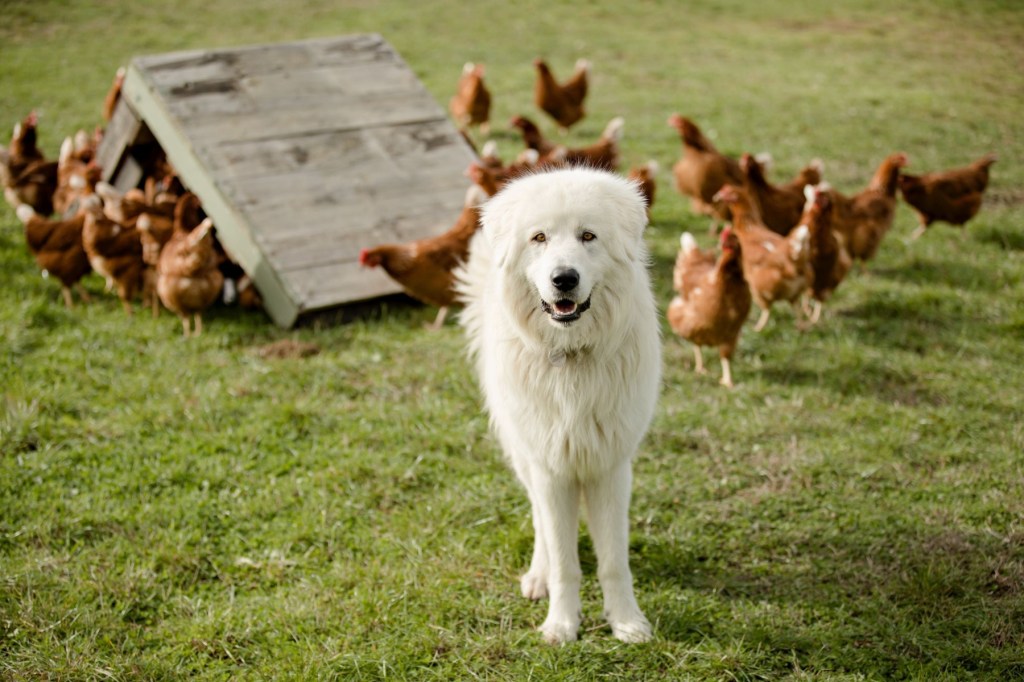
While Ollie is a drawcard for customers, Anderson said it was his business’s approach to regenerative farming that was another reason customers picked feather&PECK.
The business sells its eggs at independent grocery stores across SA, and also at the Adelaide Showground Farmers Market on Sundays and the Willunga Farmers Market on Saturdays.
“Our clients are repeat clients all the time at the markets, and the feedback we get generally is because the birds are outside, they’re happy, they’re healthy,” Anderson said.
“Everyone loves the taste of our eggs.”
The company’s approach differed from free-range farms, where up to 10,000 hens can roam on one hectare.
“They don’t get a lot of room,” Anderson said.
“They’re allowed to go outside should they choose, but when they do, the land’s normally denuded.”
The company is this month taking part in the month-long Fleurieu Food Festival, celebrating the region’s producers through long lunches, wine tastings, farm tours and workshops.
On August 23, punters can learn about feather&PECK’s regenerative farming first-hand via a farm walk followed by an egg-inspired afternoon tea.
Buy SA Week is also happenign this week to spotlight South Australian products, services and experiences, a state government-led campaign to promote local businesses in shopping centres, retail precincts and community hubs.
State Development Minister Chris Picton said the week would give South Australians “a stronger way to recognise and choose local”.
“Buy SA Week is a powerful way to bring the state brand to life, connecting consumers directly with South Australian businesses on their products, packaging and websites,” Picton said.
Anderson said that while his products might be more expensive than supermarket eggs, he wanted South Australians to get behind local companies because “it pumps a lot of money back into the local community”.
Want to see more stories from InDaily SA in your Google search results?
- Click here to set InDaily SA as a preferred source.
- Tick the box next to "InDaily SA". That's it.