SA gas company signs billion-dollar agreement
A new agreement has one of South Australia’s listed microcaps on the brink of turning into a powerhouse company set to flip a far-flung country’s energy market on its head.
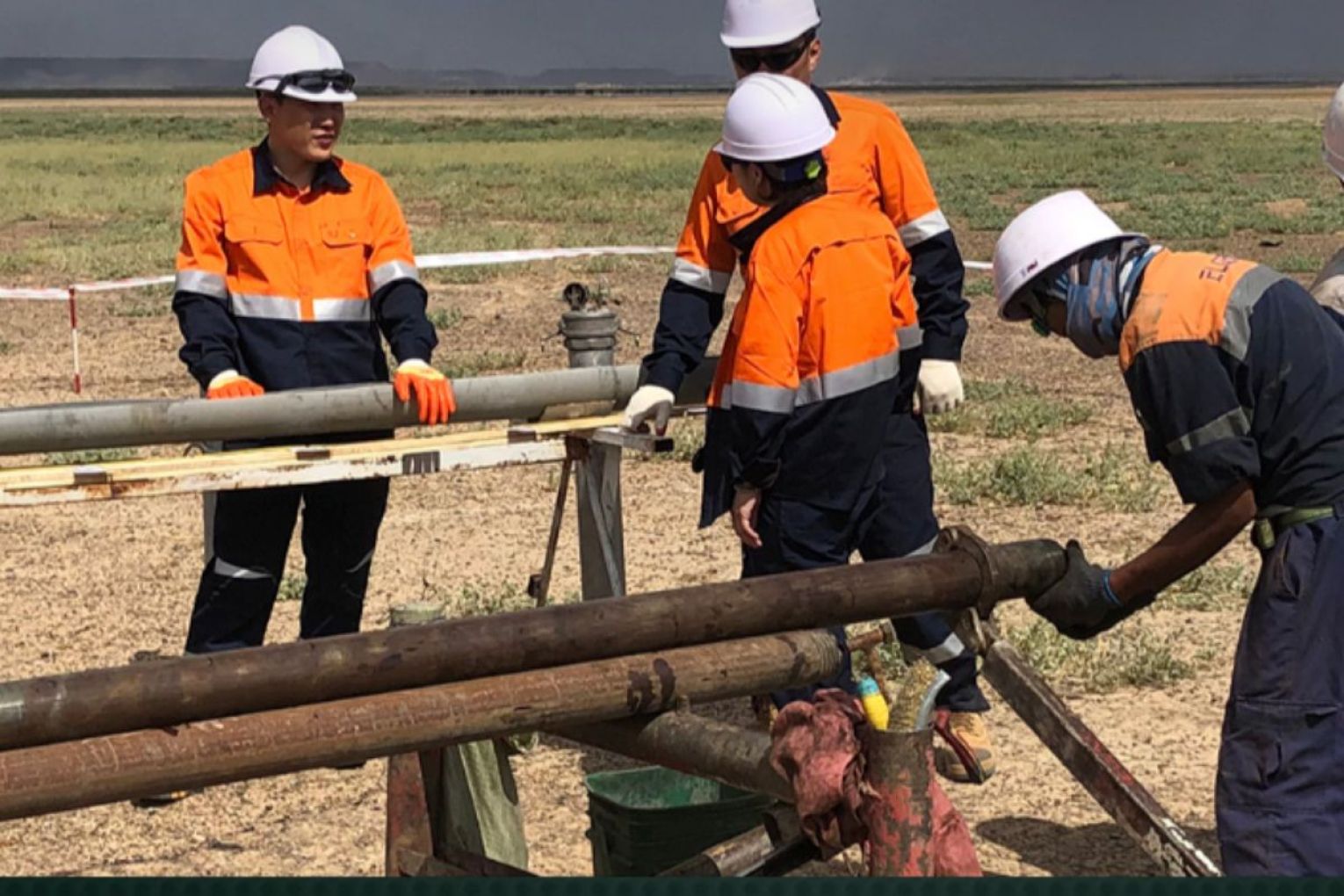
South Australia-based gas exploration company Jade Gas Holdings has penned a non-binding agreement with a coalition of Chinese companies worth $1 billion that has the potential to turbocharge its ambitions to become a major extractor of gas in Mongolia.
Announced last week, the deal – if signed off by the consortium of Chinese companies – would give Jade Gas the capital to get its planned project in the Gobi Desert off the ground.
The company has the rights to abundant coal bed methane in Mongolia and if production starts it would be the first company to extract natural gas in the nation.
The proposed deal would be for just Phase 1 of Jade’s plans, and is worth an estimated $1.1 billion.
A binding agreement was expected within the next two months, executive director Joseph Burke told InDaily.
Not only would the deal rapidly transform the Adelaide-based ASX-listed company into a powerhouse gas player, it could also transform the Mongolian economy.
You might like
The nation’s trucks run almost entirely off diesel, Burke said, meaning LNG was scarce.
The project had become “so important to me”, Burke said.
“There is a way here to really bring something new to Mongolia,” he said.
“Mongolia needs the gas, but Mongolia needs to be ready for the gas.
“Although they’re very excited that we can deploy a lot quicker, the infrastructure for the downstream is not in place.”
Jade Gas would work with PT Beijing Energy Linking (PTBEL) as lead contractor and Pretro China and Hunan Geology & Mining Technology as sub-contractors.
Stay informed, daily
The companies would assist Jade in drilling 175 gas wells covering only approximately 20 per cent of the total drilling area across the larger 60sqkm Red Lake Development Area.
In total, the company has 665sqkm of permit area – making Phase 1 a sudden scale-up for the business but just the tip of the iceberg in terms of what was possible for Jade Gas.
In total, some 1400 wells could possibly take over the Gobi Desert under Jade’s plans.
An initial 10 drilling rigs would be made available by the consortium, under the agreement, with mobilisation targeted for between February and March 2027.
The entire cost of Phase 1 would be borne by PTBEL, with the company to be repaid through a future gas sales revenue sharing arrangement.
A $215 million scalable LNG liquefaction facility was contemplated by the agreement in order to monetise the first 40 wells drilled.
Burke is no stranger to running projects in the region and said projects like his were “quite rare”.
“Mongolia has a lot of coal, but what is less known is there is a lot of gassy coals.”
Burke has spent more than 30 years working and living in Asia and has been involved in Mongolian mining projects since 2009.
In previous roles he was a director and founding partner of the mining venture capital group Starboard Global and the CEO of ASX listed Voyager Resources Limited (ASX: VOR) which had projects based in Mongolia.
Burke said the structure of the agreement was how business was normally done in China, “and all I wanted to do was replicate that”.
“It was basically to bring in someone of significance that could do it,” he said.
“When you’re an ASX junior, when you’re pre-revenue, it’s always difficult.”
Want to see more stories from InDaily SA in your Google search results?
- Click here to set InDaily SA as a preferred source.
- Tick the box next to "InDaily SA". That's it.