SA cleans up at national film awards, so why is Hollywood giving our state the flick?
Despite South Australia taking out numerous awards at the film industry’s night of nights on Friday, the state’s film production value is going backwards. Read why one movie producer won’t consider making a big-budget flick in Adelaide.
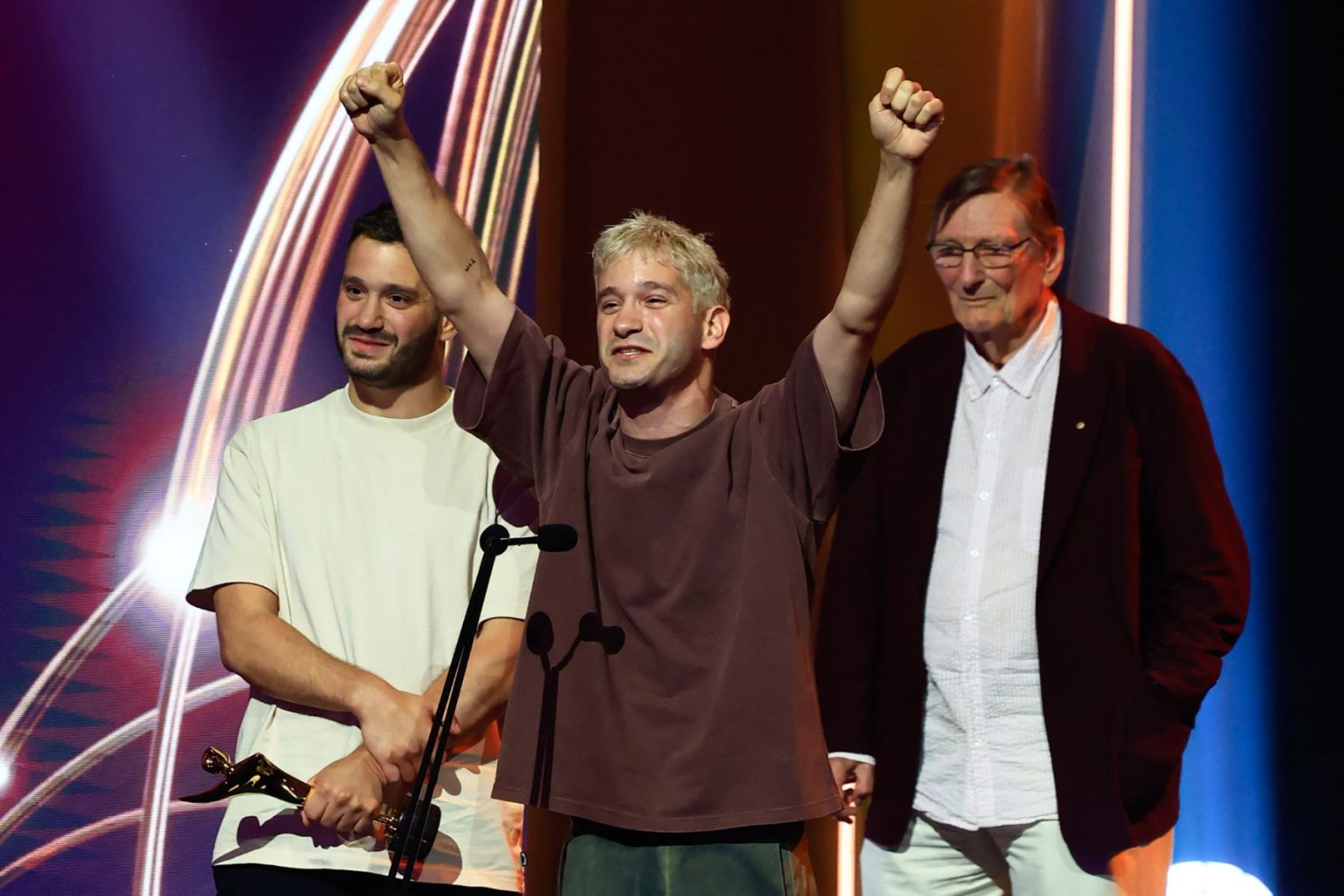
It was a huge Friday night for South Australian filmmakers Danny and Michael Philippou – aka the RackaRacka brothers.
The duo, who gained notoriety as YouTube stunt performers before taking on feature films and are part of InDaily‘s 40 Under 40 alumni, cleaned up at the 2026 AACTA Awards, winning ten trophies, including the coveted Best Film’Award for their latest Adelaide-made flick, Bring Her Back.
Meanwhile, Lesbian Space Princess – another Adelaide-made movie – won Best Indie Film in a big showing for South Australia. SA actor Sarah Snook also won the Trailblazer Award.
A cursory glance at Screen Australia’s latest report on how much is being spent on making movies in Australia, it would be assumed SA was sharing in the golden era experienced by the east coast.
Drama production in Australia amounted to a record $2.7 billion in 2024/25, Screen Australia research found – up 43 per cent from 2023/24, thanks to a big injection of international productions being made here.
But a closer look at the figures shows that spending is overwhelmingly concentrated in the eastern states. Queensland topped the list with $935 million of the expenditure, New South Wales $832 million and Victoria $731 million.
South Australia? Just $94 million (down from $96 million in the prior period), and tallying just three per cent of the total spend.
You might like
Projects interstate that are driving this boom are large, stage-intensive dramas and big-budget Hollywood features. They need sizeable studios, sound stages, and experienced crews; all in short supply in SA. Adelaide has just two stages at the South Australian Film Corporation hub in Glenside.
Meanwhile, federal offsets that attract overseas productions to Australia are landing major international productions. Screen Australia says international productions hit “unprecedented levels of activity”, with a record $1 billion spent on 20 international features in Australia during the year.
But SA tax incentives are not competitive with our eastern cousins. In SA, producers can receive 10 per cent of production or post-production spend as a grant, while the government offers a payroll tax exemption to producers shooting feature films in SA.
In Queensland, for comparison, the state government offers a 15 per cent post-production tax incentive, while specific grants are on offer to get production going in certain parts of the state.
Australian film producer Craig McMahon – who worked on the 2024 Robbie Williams biopic Better Man, 2022’s George Miller epic Three Thousand Years of Longing and Ron Howard’s Eden – told InDaily he mostly worked in Melbourne and Queensland.
He said filming in Adelaide was “fantastic because everything is literally 15 minutes away”, but feared there was a creative brain drain with talented young filmmakers moving interstate to get work.
National production expenditure figures were “so rewarding”, he said, but “unfortunately, not in South Australia”.
“To create a true ecosystem, you need to complement the same stage space with the support facilities: construction workshops and prop stores and green rooms,” he said.
Stay informed, daily
“It’s got to be its own microsystem within a greater ecosystem.
“I would definitely say South Australia is lacking in that infrastructure, it’s there but it’s small.”
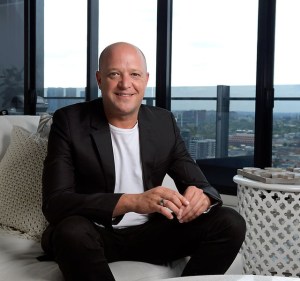
He said the state government needed to acknowledge the industry existed beyond homegrown content.
“Traditionally, the model in South Australia has been supporting South Australian filmmakers only, and you can’t grow an ecosystem of film without encouraging larger-scale productions because you need to upskill your crew,” he said.
“Crew need to work with crew coming from larger budget projects to be able to become heads of department. That’s what drives ecosystem growth.”
Asked if South Australia was even on his radar when making a decision about where to shoot a film, he said international productions would not make it here.
“We wouldn’t consider South Australia to put on an international scale feature film because there isn’t that support we can get from other states,” he said.
“New South Wales has got a robust program, all the other states have a very strong production incentives, and so therefore we would look to go to another state.
“And of course there’s no studio space.”
Outgoing Arts Minister Andrea Michaels told InDaily the state government was “committed to supporting South Australia’s renowned screen industry to bring our stories to the world.
“The Malinauskas Government has made significant investment in our screen sector including more than $12.4 million in a partnership with ABC to deliver an ongoing pipeline of quality Australian television production such as Ladies in Black, Treasure and Dirt and children’s series Beep and Mort,” she said.
“We have attracted major international blockbusters in recent years such as Netflix’s hit show Territory and Stan’s Thou Shalt Not Steal.
“Currently underway, is Netflix’s My Brilliant Career, which is projected to inject $17 million into the state’s economy – the highest spend of any TV series made in the state – with SA recording a 27 per cent increase in film expenditure last year, largely driven by demand from streaming services.
“We continue to be incredibly proud of South Australia’s screen sector, which has been a powerhouse in recent years and attracted significant acclaim nationally and internationally, and we are always open to considering additional opportunities to support the industry’s growth.”
Want to see more stories from InDaily SA in your Google search results?
- Click here to set InDaily SA as a preferred source.
- Tick the box next to "InDaily SA". That's it.