10 minutes with… BDO Chief Economist Anders Magnusson
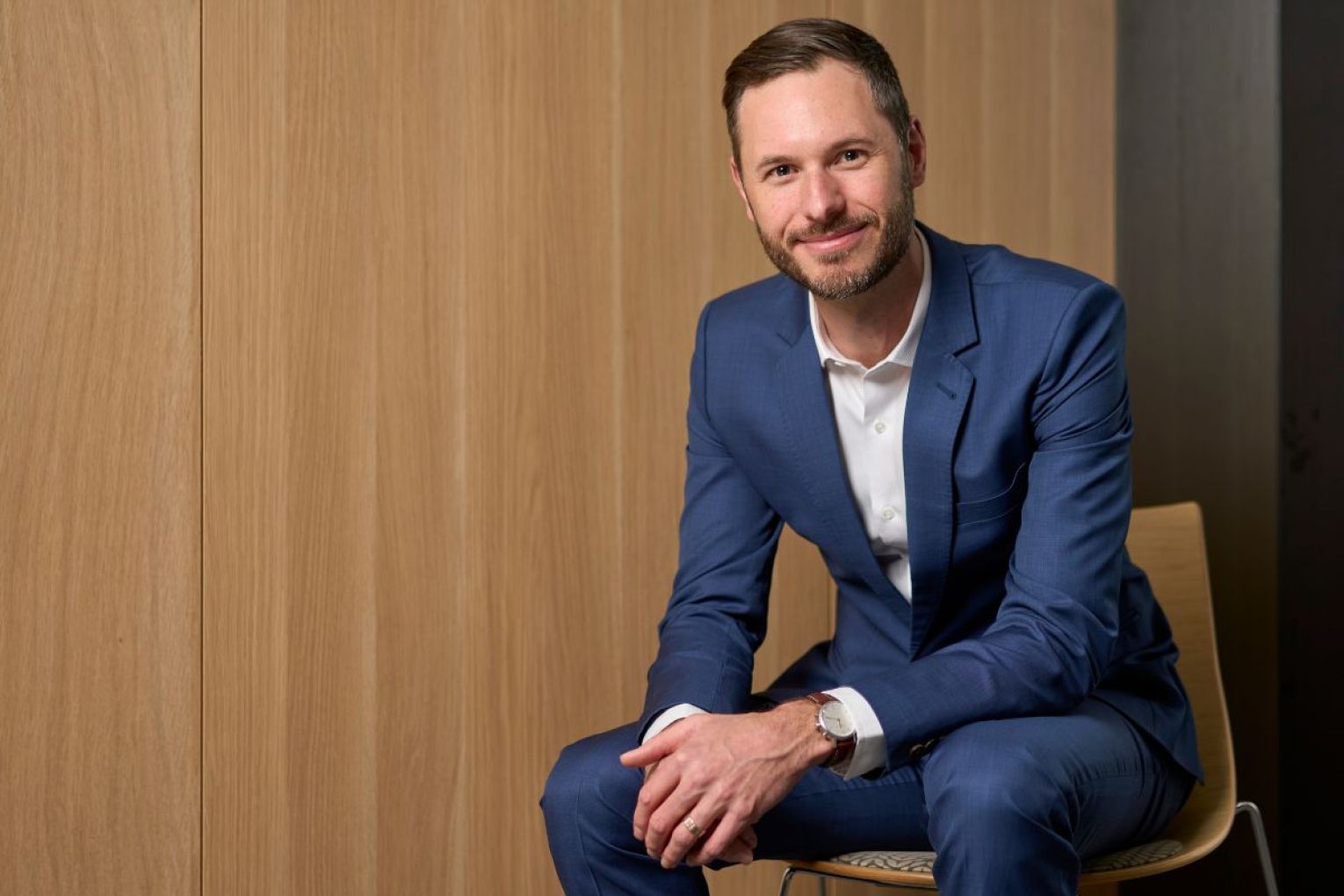
Anders Magnusson is BDO’s Chief Economist, responsible for leading the firm’s macroeconomic analysis. We spoke to the expert about why younger Australians are “more likely to reach for artisanal frozen yoghurt than boxes of wine”.
Tell me about your career so far and what areas you specialise in at BDO.
I started my economics career with junior roles in SA government and the United Nations in Bangkok, before landing at a boutique Adelaide firm focused on agricultural and fisheries economics. When our director was preparing for retirement, we merged with BDO. At the time, I hadn’t imagined a future in the corporate world. Joining BDO turned out to be a happy accident and one I am extremely grateful for.
BDO’s national network opened a lot of new doors. It let me take our agricultural and fisheries economics capability national, and then build new specialisations in health, regional development, infrastructure, and the increasingly complex activity happening in Australia’s oceans. My real focus, though, is on helping the people around me become practical and thoughtful economic advisers. I try to make myself redundant in a specialisation, then move to the next challenge.
I actually came into economics sideways. My first career was in music technology, looking after recording and broadcast studios across Australia. It was a very different world, but it gave me a deep appreciation for mastery and creativity that I’ve never lost. I still write music and tinker with musical instruments and HiFi systems when I can find the time.
You’ve recently been appointed as Chief Economist at BDO in Australia. What does the role entail?
You might like

Every year, our clients tell us the same thing: the economic environment is what keeps them up at night. They know their sector intimately, but they don’t always feel confident about the broader economic forces that affect their business. That uncertainty can feel like an unmanageable threat.
A big part of my role is helping turn that threat into an opportunity. I support my colleagues across BDO to build strong economic literacy, so they in turn can support their clients. I do the same directly through my own advisory work and through public commentary, writing, and speaking. My aim is to make the economy feel a little less mysterious and a lot more navigable.
As Chief Economist, I’m BDO Australia’s spokesperson on economic issues, but I approach it with a sense of responsibility rather than showmanship. People are making real decisions with consequences. My job is to help them feel more grounded in an uncertain world.
What main services do you offer your clients in Adelaide?
Stay informed, daily
In practical terms, I help people make decisions. That usually starts with understanding the real-world problem someone is facing, gathering the right data, and building the models needed to make sense of it. Sometimes those models are simple, sometimes very complex.
For the economics nerds, that can involve cost–benefit analysis, econometrics, computable general equilibrium models, microsimulation, or input–output analysis. But the heart of the work is translating the numbers back into a narrative that’s actually useful: What does this mean? What should we do? What are the implications?
What do you think are the most pressing economic challenges facing the country right now?
My focus has turned to five major transitions that I think will shape Australia over the next decade:
- Lifting productivity and long-term growth in the face of demographic and geopolitical change: the ageing population is upon us, and the global political landscape is changing.
- Navigating sustainability and climate transition: our environment is changing in a range of ways, and the policy environment is complex and evolving.
- Stewarding the natural environment as it changes: our ecosystems aren’t static, but much of our management and policy still assumes they are.
- Strengthening regional economies: something I’ve begun exploring with the BDO Economic Landscape report in South Australia.
- Understanding the world emerging technologies will create: especially AI. I expect it to be one of the defining disruptors of our time.
And what about opportunities for businesses to thrive?
Firstly, I’d say that you don’t need a perfect crystal ball to benefit from paying attention to what’s happening right now and planning a few years ahead. Some consumer trends that business should notice are already clear: as our population ages, demand for health care and luxury apartments is rising. At the same time, younger Australians are becoming more multicultural, globally connected, and quality-driven. They’re more likely to reach for artisanal frozen yoghurt than boxes of wine.
On AI, I’m glad some businesses are making big bets, but for most businesses the smarter move is to understand how AI is reshaping your market, your competitors, and your workforce. Those changes are happening, whether or not you adopt the technology. That said, I really encourage business leaders to experiment personally. Subscribe to the AI tools, play with them, get a feel for their strengths and weaknesses. You visualise the opportunities of AI only by using it.
Above all, I want South Australian businesses to know that I’m here, I’m accessible, and I’m looking forward to getting to know them.
Want to see more stories from InDaily SA in your Google search results?
- Click here to set InDaily SA as a preferred source.
- Tick the box next to "InDaily SA". That's it.