SA biz launches world-first satellite network now tracking animals
A South Australian invention is poised to give our farmers and rural businesses access to world-leading technologies, “even in the most remote and challenging environments”.

Adelaide technology company Myriota will see its world-first 5G satellite network come online on December 15, improving access to the next-generation technology for Australian farmers and rural businesses.
The satellite, called HyperPulse, is fully designed, built and operated in Australia by Myriota, and will make it simple for industry customers to build, deploy and scale Internet of Things (IoT) solutions anywhere on Earth.
The company’s offering will be available in Australia, Brazil, Mexico, Saudi Arabia and the United States from mid-December.

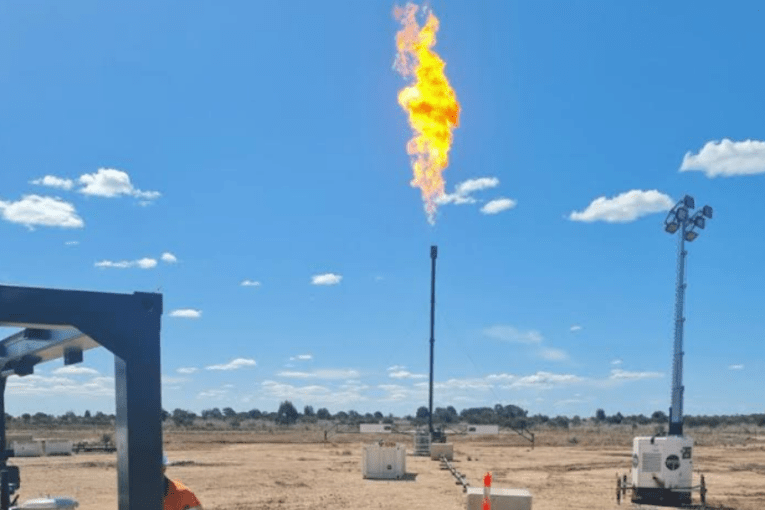
Customers in environmental monitoring, oil and gas monitoring, asset tracking and animal tracking are already connected to the network through an early access program, Myriota said.
Myriota claims HyperPulse enables more detailed reporting for its clients, including asset tracking and monitoring for heavy equipment, containers, rail cars and trailers.
It can also track environmental changes for weather stations, soil, air and water quality, and can enable virtual fencing, feed optimisation and remote monitoring for agriculture clients.
Myriota CEO Ben Cade said HyperPulse makes 5G non-terrestrial connectivity “a practical reality for IoT at scale”.
Stay informed, daily
“By delivering higher data allowances, lower latency and standards based coverage, HyperPulse gives organisations the ability to track and monitor assets, gather insights, and make decisions – even in the most remote and challenging environments,” Cade said.
“With a roadmap of new features coming next year, this is an exciting step forward for IoT connectivity worldwide.”
The network was set to expand further across Latin America, Europe and South East Asia in early 2026, the company said.
It follows Myriota rapidly scaling its business. Over the past decade, it claims to have built an expanding satellite constellation, secured a patent portfolio of more than 170 patents, and raised more than $100 million in funding.
Want to see more stories from InDaily SA in your Google search results?
- Click here to set InDaily SA as a preferred source.
- Tick the box next to "InDaily SA". That's it.