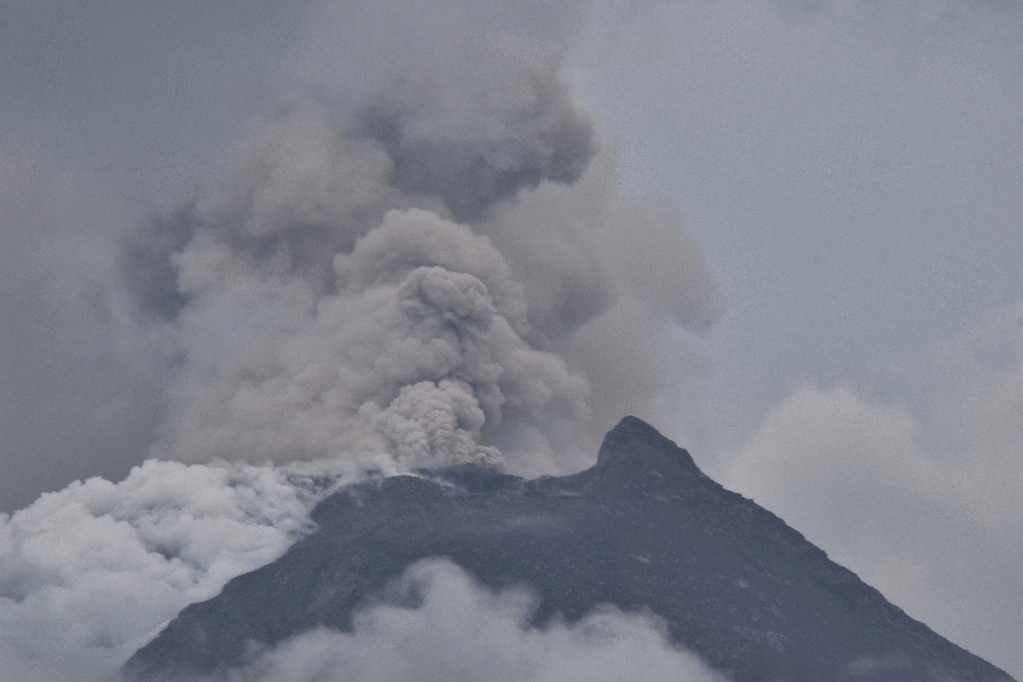
Weather bureau’s great leap forward
The way you view the weather is about to change.
Historic technological upgrades at the Bureau of Meteorology are about to enable vastly more detailed weather graphics on television news bulletins, make forecasts more precise and longer-term, and improve natural disaster management in South Australia and beyond.
SA forecasters, working from new digs on the corner of King William Road and South Terrace, will have full access to a new Japanese satellite before the end of the year, and a new supercomputer from early 2016.
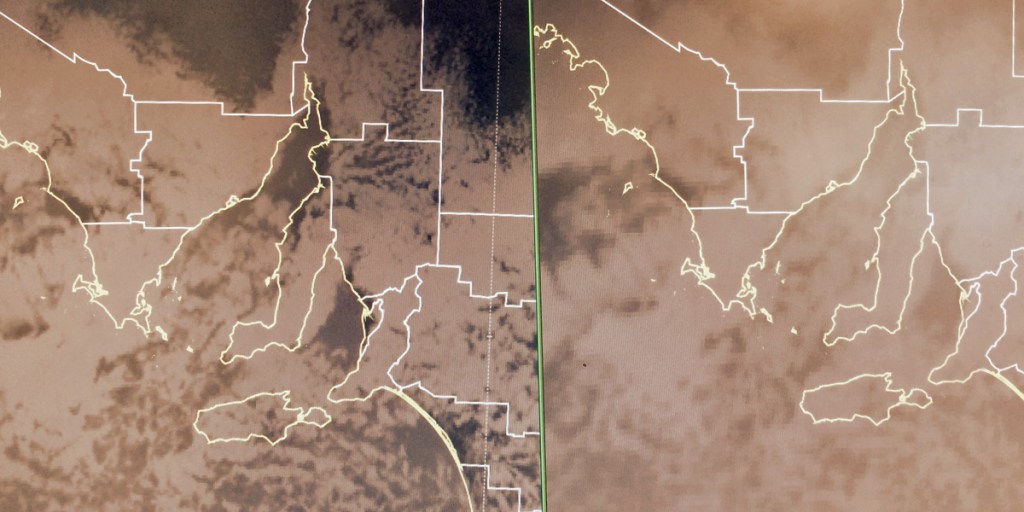
The resolution of images beamed from the Himawari-8 satellite, orbiting 35,000 kilometres above the earth, will enable better and faster weather forecasts, honing in on smaller areas of land and ocean.
The new supercomputer will be capable of processing unimaginable quantities of data at more than 10 times the speed of the current supercomputer, rising to nearly 50 times the speed by 2018.
You might like
Weather graphics will have four-times greater resolution, both on TV news bulletins and online, and show weather events never before visible to the Australian viewer.
“You’ll see smoke plumes puff up from fires; you’ll see banks of fog that never really stood out before; you’ll see hot spots,” said Adelaide senior forecaster John Nairne.
Nairne said it was unlikely TV news weather forecasts would extend beyond seven days in the near future.
But he said the new satellite had the potential to enable forecasters and the public to more easily explore weather data from seven days, to weeks, to months in the future.
Stay informed, daily
“We have little evidence of demand to take an explicit numbered forecast beyond seven days.
“But we do find that people are interested in moving between the weather scale seamlessly into the multi-week scale, into the seasonal scale.”
Beyond the viewing experience, Nairne said the “impact value in terms of the return to the Australian community” would be “huge”.
“I’ve seen two other changes in my career that would’ve ranked with this one,” he said. These were the introduction of hourly satellite images and an agreement to give the Australian bureau access to shared data from other international bureaux.
“I just see it as being the next step up.”
He said the new technology would give airline pilots access to more accurate, up-to-the-minute information during flights, help health authorities cope with heat waves and allow farmers to make better decisions about their crops.
He said the technology could also have large implications for the Australian Defence Force.
Want to see more stories from InDaily SA in your Google search results?
- Click here to set InDaily SA as a preferred source.
- Tick the box next to "InDaily SA". That's it.