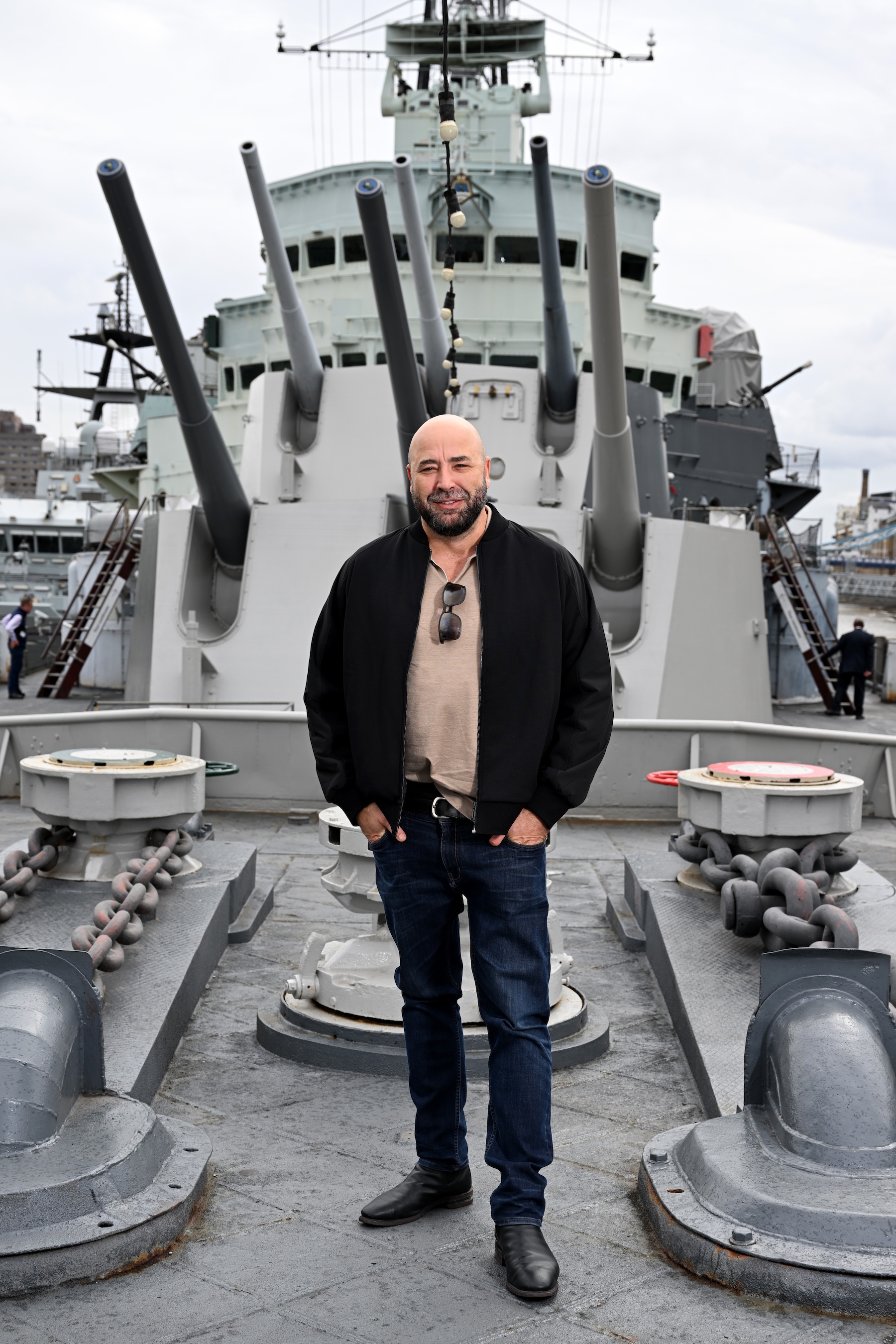
Pressure director Anthony Maras takes the temperature of SA film industry
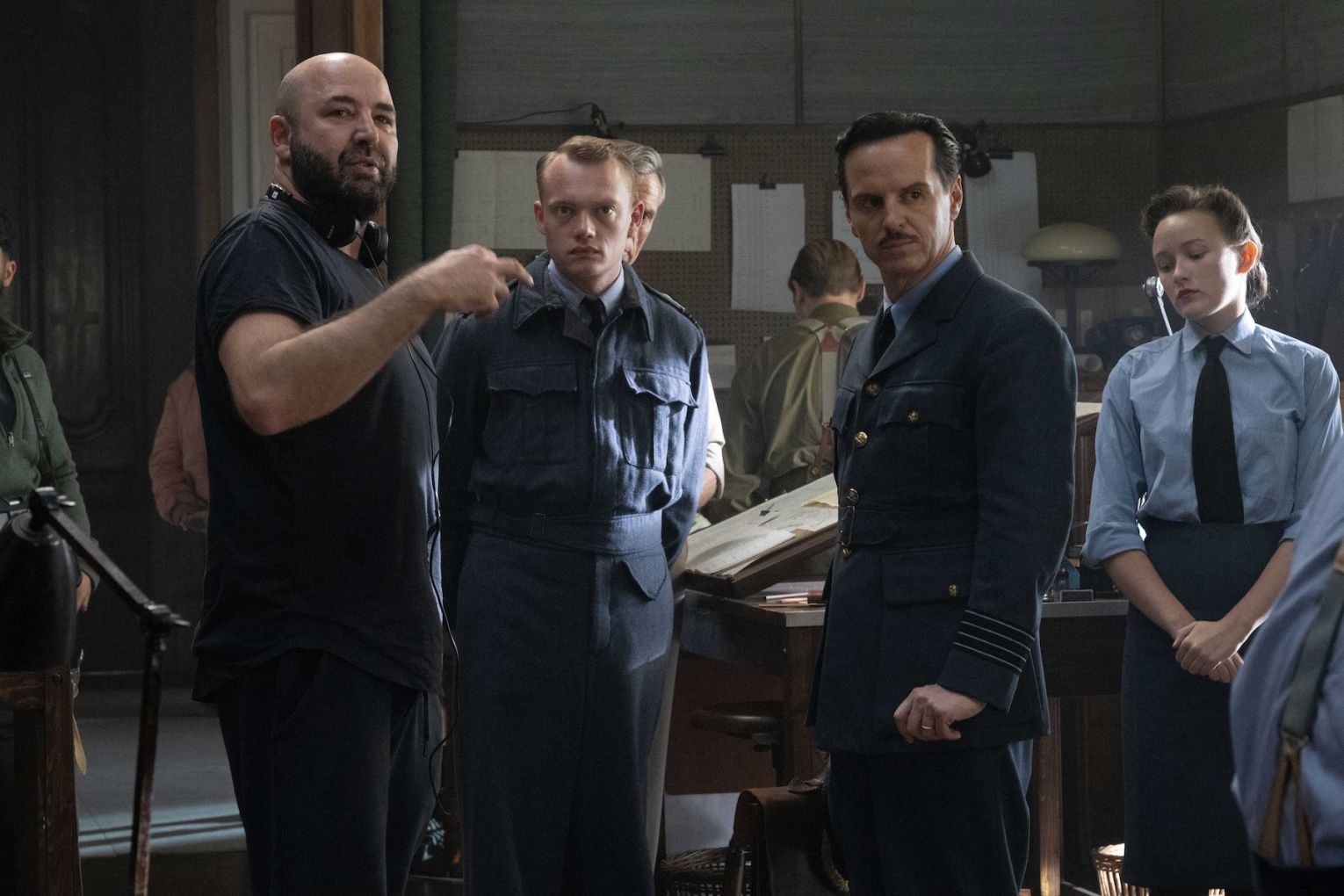
Local filmmaker Anthony Maras returns to Adelaide Film Festival this week with his second feature, which casts Andrew Scott as an unexpectedly influential World War II meteorologist.
When Anthony Maras first read David Haig’s acclaimed stage play Pressure in 2020, Australia was engulfed by devastating bushfires. It reminded him of the “terrifying power of nature.”
“You can see how it can turn on a dime, and all our plans can go out the window,” Maras tells CityMag.
As the fires gave way to the Covid-19 pandemic, Maras found its story of a World War II-era meteorologist had a strong contemporary resonance.
“I thought to have a hero who is willing to get up and say the truth, even when he knew that his audience didn’t want to hear that, and were going to go against him, was a pertinent story to tell for today.”
The play eventually became Maras’ latest feature film Pressure. Starring an international cast, and filmed in the United Kingdom with a reported budget of $43 million, it’s the second feature film from the Adelaide-born filmmaker following 2018’s locally-filmed Hotel Mumbai, set during the 2008 siege of the Taj Mahal Hotel.
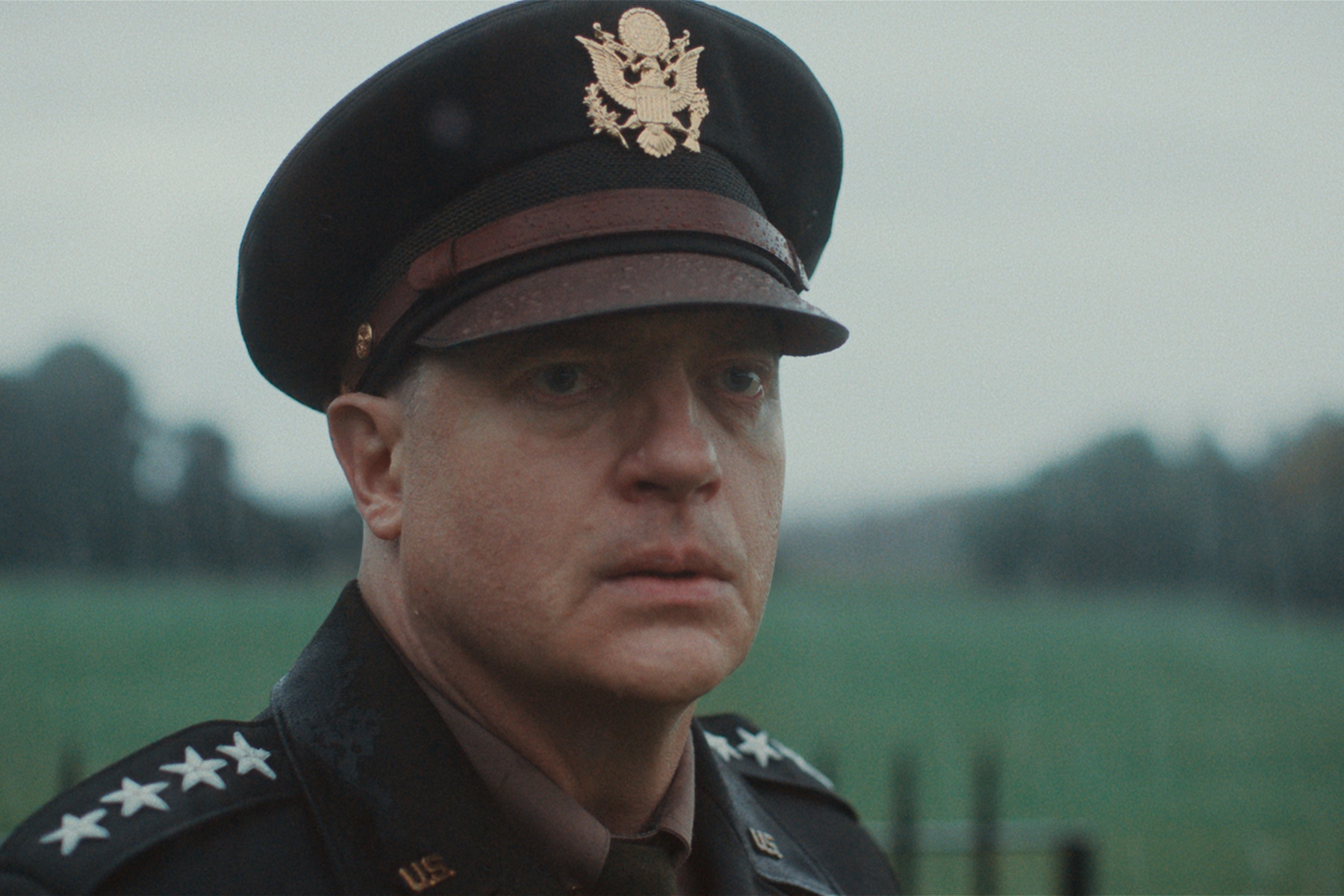
The film stars Andrew Scott as James Stagg, a meteorologist hired by General Dwight D. Eisenhower (played by Brendan Fraser), tasked with forecasting the weather for the upcoming D-Day invasion – ultimately leading to the decision of whether to go, or not to go.
Despite its wartime setting, much of the movie’s suspense stems from its tense dialogue scenes, with its most captivating moments featuring Stagg’s disagreements with Irving P. Krick (played by the underrated Chris Messina) and the hot-headed British Army commander Bernard ‘Monty’ Montgomery (Damian Lewis).
You might like

The novel idea that a weather man was essential in the success of the D-Day invasion was what initially drew Maras to the story, but soon the character of James Stagg and his principles became the driving force of the narrative.
“It was this idea of a protagonist who has got the wisdom and the humility to say he doesn’t know with certainty what the answer is going to be, but to have an honest attempt to get it.”
Maras, who is the son of local property mogul Theo Maras, spends his time split between Adelaide and America, but ensures all of his films have “a very strong Adelaide connection, even if they’re shot overseas.”
“We wrote a lot of the script here, then did all our post-production here in Adelaide,” he explains.
“So it’s good to be able to share it with friends and family and everyone here in Adelaide.”
Speaking of the differences between the American and Australian film industries, Maras says “the film community is pretty small everywhere.”
“I think more than anything, it’s a lifestyle thing in Adelaide, where we were able to have a good environment to film in and just to do our post-production, and more than anything, it’s the human connection with people that you’ve worked with,” he says.
Subscribe for updates
South Australian Film Corporation gave Pressure a post-production, digital and visual effects rebate for doing this work locally, with sound by Studio 508 in the ABC building, and visual effects by Rising Sun Pictures and archival restoration by the Andreacchio brothers.
The film joins a long tradition of high-calibre local filmmaking from Australian New Wave classics like Picnic at Hanging Rock and Breaker Morant to recent horror successes Talk to Me and The Babadook.
Screen Australia research found South Australia spent $94 million on making movies in its most recent period, compared to Queensland’s $935 million, New South Wales’ $832 million, and Victoria’s $731 million, but Maras says that South Australia continues to punch above its weight.
“In South Australia, we have a whole bunch of new and mid-career filmmakers who are doing great things on the global stage. I always wish we could have more. It’s cliché to say, but we have a lot of talent here,” said Maras.
"We’ve got a pretty good history in South Australia of making great stuff for the screens, so we should invest more."
With the rise in streaming media, Maras says that people are watching their screens more than ever, and South Australia “should be embracing that, because it is the future.”
“We’ve got a pretty good history in South Australia of making great stuff for the screens, so we should invest more,” said Maras.
“You hear naysayers talk about how the cinema experience is under threat, or there’s AI doing this and that, but at the end of the day, more people are watching screens than ever before, so it would not be wise to retreat from that. We should build on that, and we should particularly continue that in South Australia.”
Maras says the production went to “extreme lengths” to ensure historical accuracy, with multiple meteorologists present on set including a 90-year-old retired meteorologist who worked with Stagg, and provided “granular day-to-day details of what life was like in those med rooms, the ashtrays full of cigarettes, and even the way they held the pens and the barometers.”
D-Day and World War II historians were also consultants on set, and contributed to “trying to get the spirit of the story to feel as true as possible.”
But, for Maras, “the underlying truth in the story of scientists speaking truth to power was sacrosanct.”
Pressure screens again on October 20 as part of Adelaide Film Festival 2026.
Want to see more stories from InDaily SA in your Google search results?
- Click here to set InDaily SA as a preferred source.
- Tick the box next to "InDaily SA". That's it.