Lime Green cure for SA’s sour coastline

Pop-rock duo Lime Cordiale are raising funds for SA’s algal bloom and appeasing the city’s “how dare you bloody skip Adelaide” response to elusive performers with a ground-breaking festival.
One thing Sydney-based band Lime Cordiale knows about Adelaide is the city won’t go quietly if it’s snubbed by touring festivals.
“Everyone in Adelaide gets so passionate when they get skipped, ‘how dare you bloody skip Adelaide’ and you always feel so bad because of the passion coming from South Australia,” half of the music duo Oliver Leimbach tells CityMag.
So when Oliver, his brother and bandmate Louis and their team were planning where to host a new festival, Oliver says “we’re skipping everyone else”.
The music festival called Lime Green will be at Adelaide University’s Cloisters on April 18, with the band aiming to run as much of the festival as possible off-grid.
Joining Lime Cordiale for the one-day, all-ages festival is Queensland-based Indie-folk band The Dreggs, Adelaide popstar Aleksiah – off the back of playing a major Spanish music festival and a headline European tour – and pop-rock four-piece PASH, who has also scored a spot playing Adelaide’s Laneway Festival.
Adelaide artist Effie Isobel, who won the Triple J Unearthed spot has also joined the lineup along with former Federal Greens leader, now Australian Conservation Foundation CEO Adam Bandt.
Given the festival’s green focus, Oliver says it wouldn’t make sense to fly in other artists and up the carbon footprint, but that wasn’t the only reason behind the lineup.
You might like

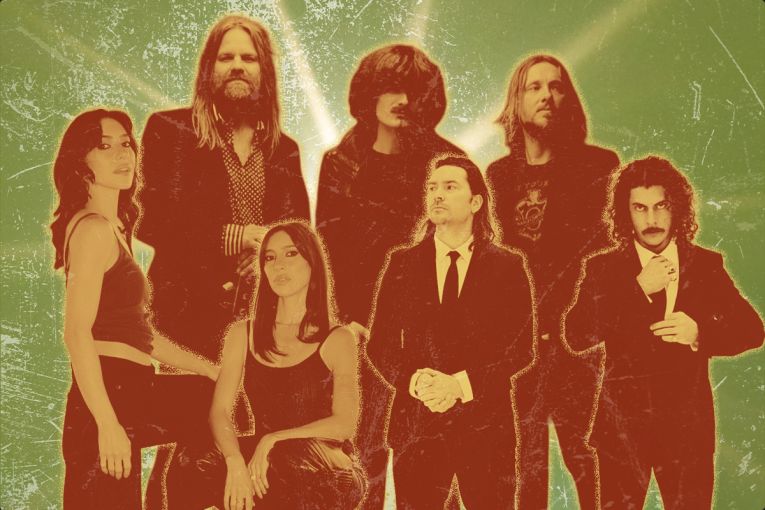
“There’s great music in Adelaide, and to have three local artists, Aleksiah, PASH and the Triple J competition winner, that’s epic, that’s a solid lineup by itself, without us and The Dreggs, it’s gonna be so sick,” he says.
The main stage will be battery-powered, backed by vegetable-oil generators, and carbon-neutral food vendors will be prioritised, with the selection of band merchandise upcycled and sustainably made.
Oliver says they’ve always tried to be environmentally-conscious when touring – from battery-powering their backline stage equipment to using a biodiesel tour bus – but Lime Green is their case study for the future of festivals.
“There’s so many production managers around Australia that just don’t want to take the risk with trying something like this,” he says.
“All of these people working in the music industry go, ‘I don’t think you can power a PA with batteries’…’what about this’… ‘it’s going to blow up’, and they kind of freak out.
“We just wanted to show that it totally can be done.
“I’m really keen to share all the data that we manage to capture during this and all of our obstacles as well. I’m kind of looking forward to obstacles.
Subscribe for updates
“You know, if there’s a blackout for five minutes halfway through our set, that’s fun, that’s all part of the experiment, because it is an experiment and we’re pushing boundaries.”
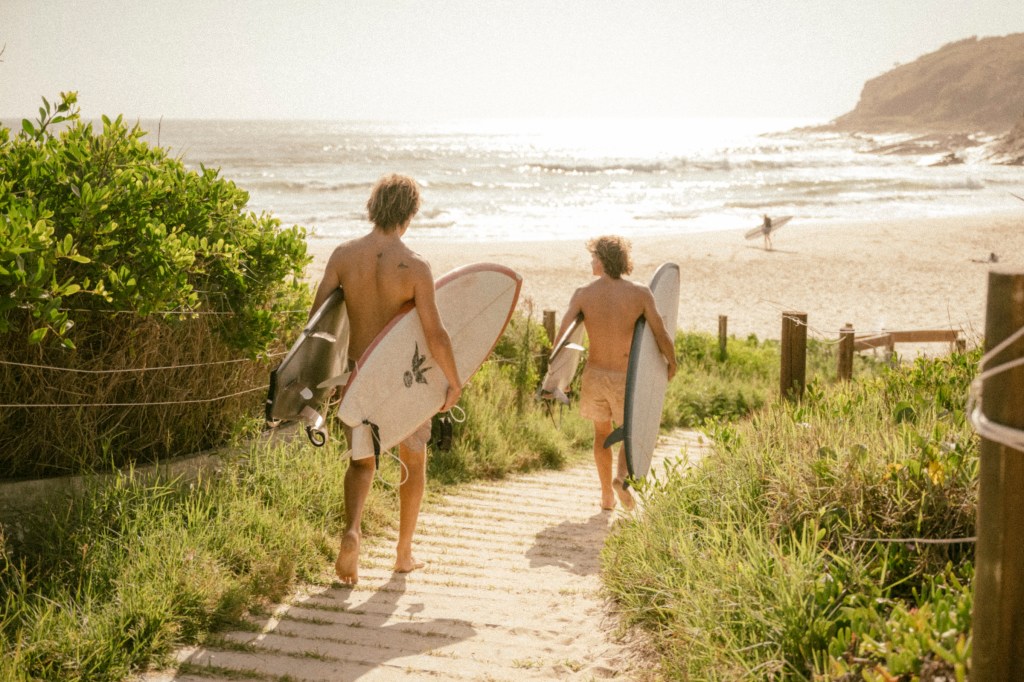
Through an environmental ticketing initiative called Solar Slice, one dollar from each of the 5000 tickets up for grabs goes towards community-led groups like Toxic Surf, responding to the harmful algal bloom that has ravaged SA’s coastline.
“I don’t like to think about it as we’re donating some of our money to a cause. I like to think of it as just this little extra that’s on the ticket, that all the audience are supporting,” Oliver says.
He says he was alerted to the algal bloom through some of the climate advisors they’ve been working with to make the festival as green as possible.
“It’s kind of hidden under the carpet of the ocean, you don’t really see it firsthand, even if you are in South Australia but if you’re someone that goes to the beach a lot, then you know you’re deeply affected by this,” he says.
“I can’t imagine this happening in Sydney, and I think if it was happening in Sydney, it might even be international news.”
Since December, metro beaches have seen positive algal bloom results, with the latest figures showing low or no traces of the toxin that causes the bloom on city beaches.
Lime Green is working with Adelaide-based consultancy Engage Change, supported by the SA government and Charles Sturt Council and run in partnership with Chugg Music and battery operators Aggreko.
“The environmental initiative Lime Cordiale has shown is a significant step forward for the arts industry and our planet,” Tourism Minister Zoe Bettison said.
“We are absolutely devastated by this algal bloom. It is ruining our environment, but also our coastal towns and suburbs and so we need to show that we can bring life back to these places,” Engage Change founder Matthew Wright-Simon says.
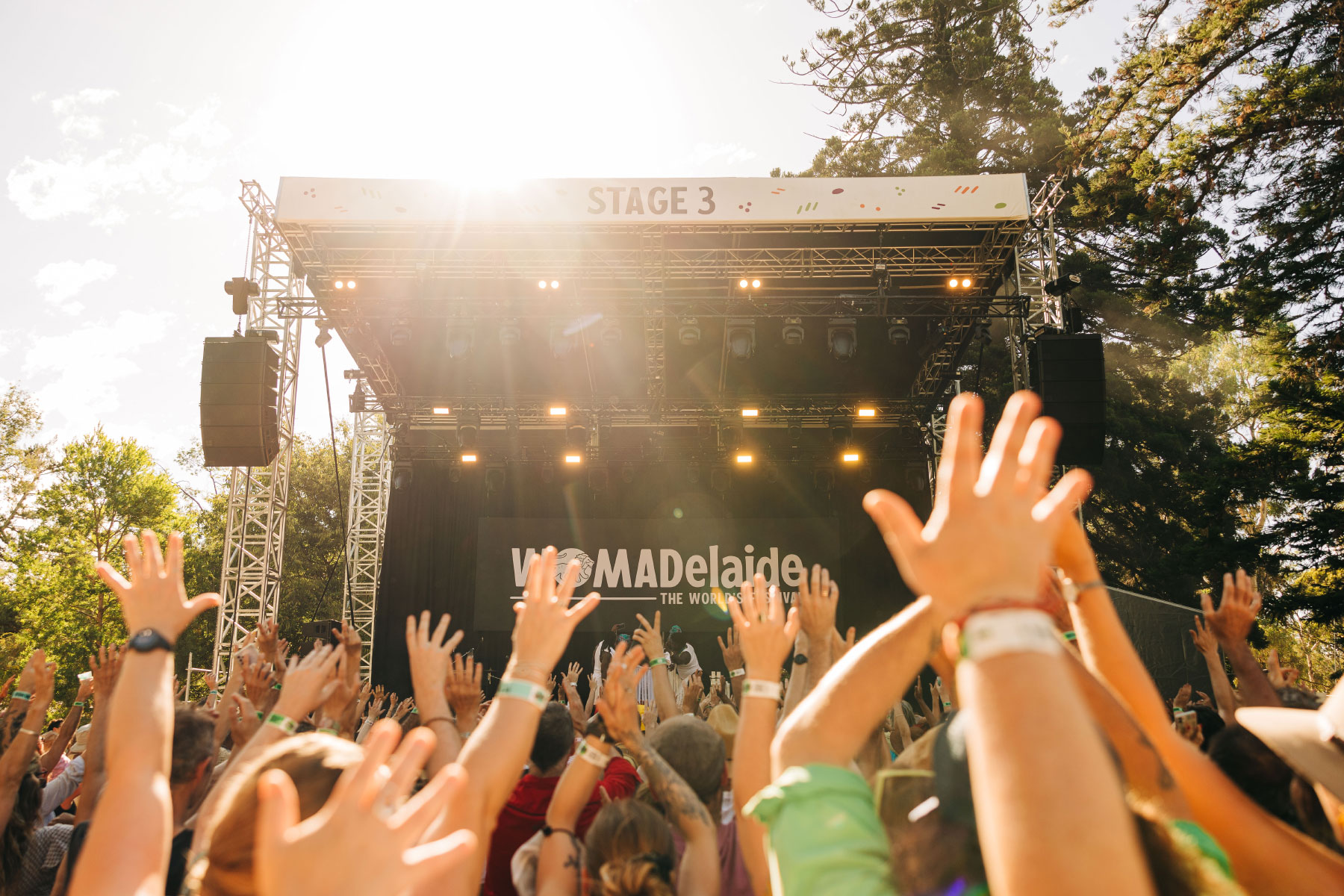
Meanwhile, WOMADelaide 2026 was the first SA festival to run all its stages with renewable energy through a mix of biodiesel and hydrotreated vegetable oil (HVO).
HVO will power WOMAD’s largest stage in 2026, which was previously mineral diesel-powered.
The four-day festival that pulls about 80,000 attendees each year has been working towards the renewable goal since 2021.
Sustainability is something we’re all really passionate about, and we’ve been working hard to reduce and offset the festival’s carbon emissions while minimising our environmental impact,’ Festival Director Ian Scobie AM says.
Want to see more stories from InDaily SA in your Google search results?
- Click here to set InDaily SA as a preferred source.
- Tick the box next to "InDaily SA". That's it.