SA once led Australia on whistleblower protections — it can lead again
When whistleblowers are protected, institutions are stronger and more effective, and public trust is deeper, writes Human Rights Law Centre lawyer Anneliese Cooper.
Whistleblowers play a critical role in democracies. They shine a light on important public interest issues from misuse of public funds, to human rights abuses, to risks to public health or to the environment.
South Australia was one of the first states to recognise the importance of whistleblowers when, as early as 1993, it implemented landmark whistleblower protections for public servants who wanted to speak up about wrongdoing. But since then, whistleblower protection laws across Australia have evolved and South Australia has fallen behind, requiring whistleblowers to navigate complex, narrow and prescriptive pathways, with limited support.
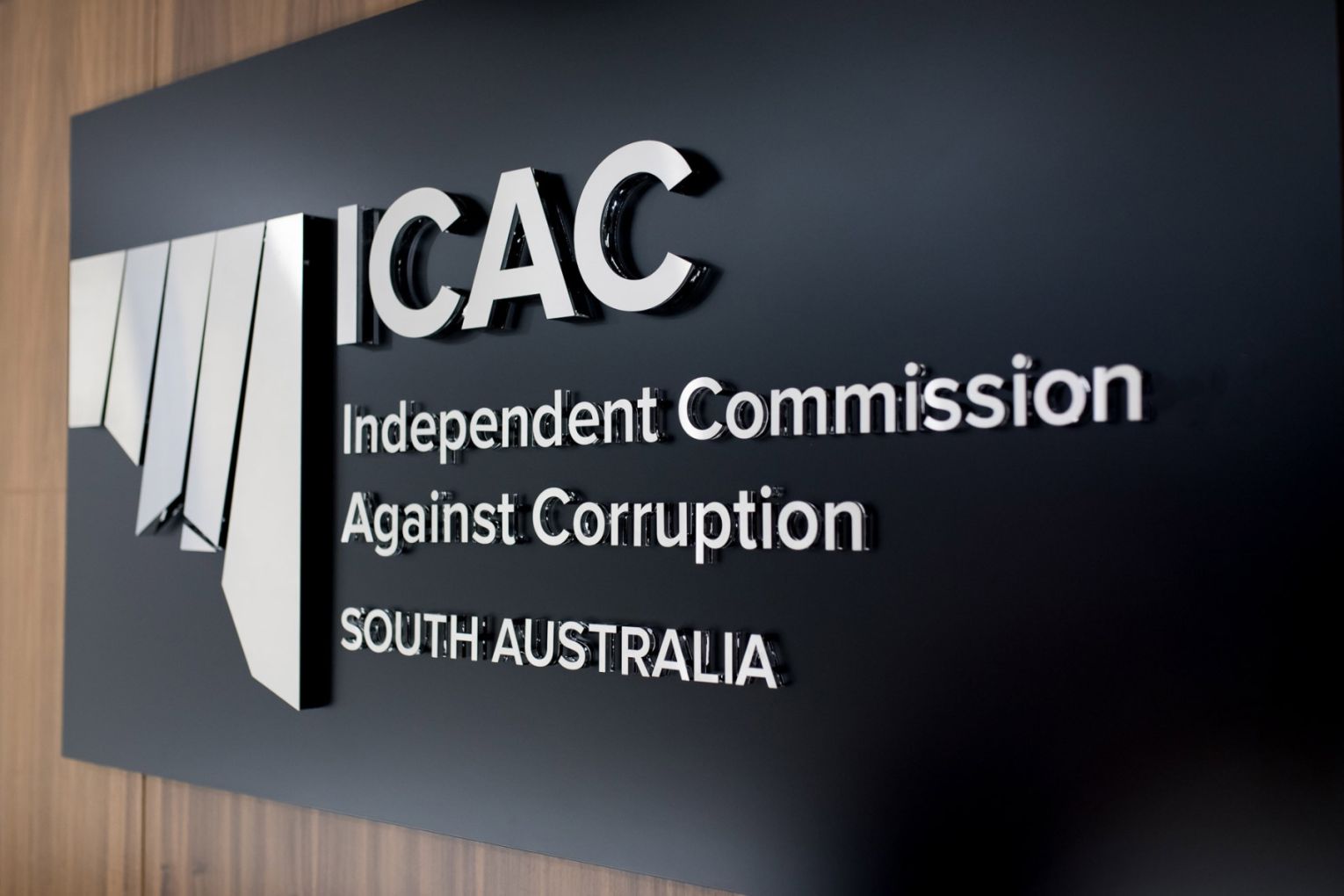
This has the potential to change. In its new report, tabled in Parliament last week, the South Australian Independent Commission Against Corruption (ICAC) made a large suite of recommendations which would better protect people who want to speak up in the public interest.
If these recommendations were made law, South Australia would once again be the national leader when it comes to supporting people who speak up in the public interest.
What does the ICAC recommend?
You might like


The ICAC recommended implementing an independent whistleblower support function within the South Australian Government’s Office of Public Integrity to provide information and support to whistleblowers throughout the disclosure process.
A support function would be a significant step towards ensuring that whistleblowers have adequate information and guidance, including before making a disclosure. Having early guidance and support would also improve the quality of any disclosure which in turn, has immense potential to improve the ability for regulators to effectively investigate issues.
While this would be a positive reform, this alone would not be enough to provide whistleblowers with the assistance they need. As a lawyer at Australia’s only specialist, free legal service for whistleblowers, I see the struggles that whistleblowers face in trying to navigate a legally complex regime and in trying to assert their legal rights.
If a whistleblower fails to satisfy even one of the current requirements, they risk being ineligible for important protections. If they suffer retaliation, they are left to navigate the legal system on their own, often with no choice but to self-represent in court proceedings.
Stay informed, daily
The South Australian ICAC recognises these challenges. It wants the power to investigate offences under whistleblower laws including allegations of victimisation or breaches of confidentiality. It also wants a community legal centre to be funded to provide specialist legal advice, acknowledging that whistleblowers should not be left to navigate a complex legal framework on their own, nor should they need to foot legal bills for speaking up in the public interest.
While putting strain on already under-resourced community legal centres might not be a long-term solution (our team alone has received over 700 requests for help since launching in 2023), this demonstrates the now widely accepted reality that whistleblowers need legal support. In my experience, increased access to legal support would go a long way to ensure that whistleblowers are able to assert their rights, receive compensation for victimisation and to help them navigate difficult legal frameworks to ensure they can receive whistleblower protections.
While the legal risks of speaking up are complex and significant, so too are the psychological, emotional and financial risks. In our casework, we see the immense personal toll that whistleblowers suffer throughout the disclosure process. We see our clients lose their jobs, endure strained relationships and suffer long-lasting psychological harm. Often, blowing the whistle is a life-changing experience, and rarely for the better.
This needs to change, so we also welcome ICAC’s recommendations that whistleblowers should have allocated special purpose funding to improve access to free or low-cost psychological support. This follows other moves by regulators, like the NSW Ombudsman and the National Anti-Corruption Commission which now have teams dedicated to facilitating psychological help. This is an essential and urgently needed service in South Australia.
Australians want stronger protections for whistleblowers
When whistleblowers are protected, institutions are stronger and more effective, and public trust is deeper. Recent polling by the Australia Institute shows that Australians overwhelmingly appreciate the importance of whistleblowers in our society, with four in five Australians expressing the belief that whistleblowers make Australia a better place. Stronger protections for whistleblowers is something that Australians want.
The ICAC’s proposed reforms are vital and achievable. The Malinauskas Government now has the opportunity for South Australia to once again lead the country on protecting whistleblowers. It should take it.
Anneliese Cooper is a lawyer at the Human Rights Law Centre’s Whistleblower Project, Australia’s first specialist, pro bono legal service for whistleblowers.
Want to see more stories from InDaily SA in your Google search results?
- Click here to set InDaily SA as a preferred source.
- Tick the box next to "InDaily SA". That's it.