‘I’ve been homeless and slept rough’: Adelaide renter’s warning on One Nation
Duncan Bainbridge has been homeless in Adelaide and reckons “on paper” he should be among those backing the phenomenal rise of One Nation in SA. He has some serious advice for Premier Peter Malinauskas.
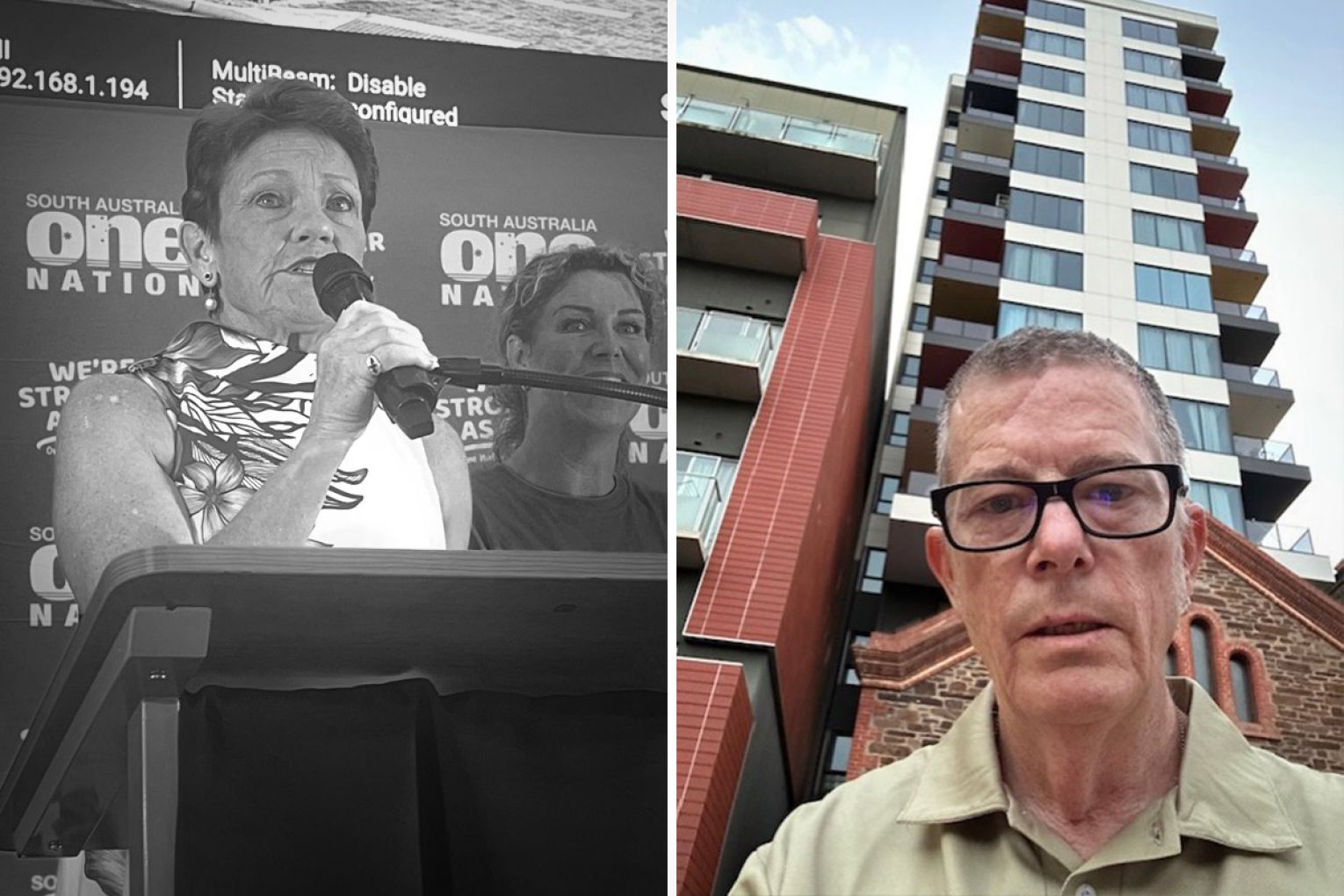
I’m a renter in South Australia. I’ve lived with housing instability. I’ve been homeless and slept rough, so I know exactly what it means to stretch every dollar and still come up short.
On paper, I’m exactly the kind of voter many commentators assume would drift toward One Nation.
But I didn’t.
That’s why much of the analysis following the South Australian election feels off the mark.
Yes, the overall result was predictable: Labor returned to government and Peter Malinauskas remains premier. But another part of the outcome has drawn far more attention: the rise of One Nation and its support in working-class communities and outer suburbs.
Many commentators are now asking how Australia should respond.
From where I sit, the answer is straightforward: listen to ordinary people and implement policies that actually improve their lives.
For years now, many Australians (especially renters, welfare recipients and working-class families) have been living a very different reality to the one reflected in political messaging.
Renting has become precarious and punishing. Home ownership feels like a distant fantasy. Wages lag behind the cost of living. Income support often leaves people below the poverty line.
You might like

These aren’t abstract policy debates.
They are daily pressures.
When people live with those pressures year after year without meaningful change, something begins to shift. Trust erodes. Confidence in the system fades. And eventually, people start looking elsewhere.
Not necessarily because they believe every promise on offer, but because they no longer believe the system they’ve relied on will deliver for them.
That’s the context behind the rise of One Nation.
It’s less about a sudden embrace of a coherent political program and more about a growing willingness to back disruption in the hope that it might shake a system that feels unresponsive.
When people feel ignored long enough, symbolism can start to look like solutions.
Slogans about “standing up for ordinary people” can sound like advocacy. Expressions of grievance can feel like representation. The performance of saying you’ve “had a gutful” can start to resemble action.
But symbolism has limits.
It doesn’t lower the rent. It doesn’t build homes. It doesn’t reduce electricity bills or put food on the table.
And it certainly doesn’t solve the structural problems that are making life harder for millions of Australians.
What it often does instead is redirect legitimate anger toward simpler narratives.
Stay informed, daily
The real danger is not that voters are “getting it wrong”.
It’s that many have stopped believing the system can get it right.
Once that belief disappears, politics becomes volatile very quickly. In that vacuum, even thin or contradictory ideas can start to look like hope.
So what’s the alternative?
It isn’t lecturing voters. And it isn’t trying to out-message insurgent parties with better slogans.
It’s listening and then acting.
Listening matters because it restores something that has been quietly eroded: respect. When people struggling to make ends meet see their experiences taken seriously, it signals that they haven’t been forgotten.
But listening alone isn’t enough.
It has to be matched with material change.
That means tackling the housing crisis at its root: building far more public housing, reducing waiting lists, properly funding homelessness services and treating housing as a foundation of stability rather than simply a market outcome.
It means ensuring wages and income supports like JobSeeker and the Disability Support Pension are enough to live on, not merely survive.
And it means addressing the cost-of-living pressures squeezing households from every direction.
Because when people can afford rent, when work is stable and when families aren’t constantly one bill away from crisis, something important happens: the sense that the system is stacked against them begins to ease.
And when that happens, the appeal of politics built on division and disruption begins to fade.
Premier Malinauskas has been given an enormous mandate. Now the task is to use it. If governments want to stop the rise of parties like One Nation, the solution isn’t complicated.
Make people’s lives better.
Listen to those who are struggling, people like me, and act on what we’re telling you.
Duncan Bainbridge is a volunteer and spokesperson for the Antipoverty Network South Australia and writes from his own experience as a renter who has experienced homelessness and housing instability in SA.
Want to see more stories from InDaily SA in your Google search results?
- Click here to set InDaily SA as a preferred source.
- Tick the box next to "InDaily SA". That's it.