A lifetime of service, but no pension for SA’s police dogs
After years spent protecting South Australians, retired police dogs face costly medical bills. One local charity says “they deserve to be looked after”.
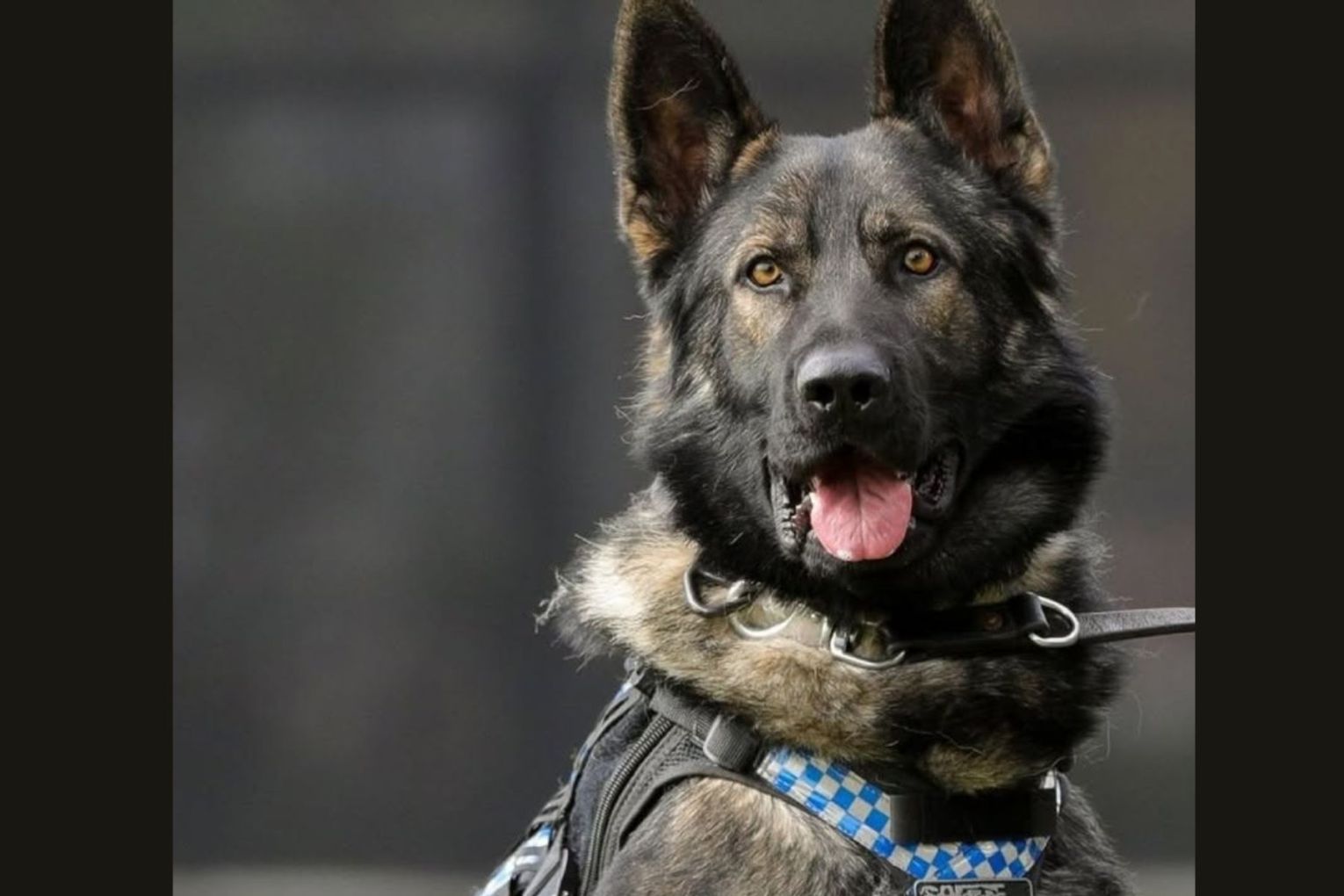
Drug transit routes, explosives detection and helicopter flights are unusual for most people, but for South Australia’s police dogs, they are part of their daily lives.
Their work is dedicated to protecting the community. But when these canines retire, they receive no official government pension, leaving their owners responsible for ongoing medical costs.
Tina Hunt, founder and chief executive of the not-for-profit organisation Retired Police Dogs SA and a serving dog handler with South Australia Police (SAPOL), describes the situation as “disappointing”.
“There’s definitely a gap [in] these medical bills for the people who take them on in their retirement. It can be quite expensive, and… financially debilitating for some people,” she said.
Hunt knows this predicament all too well, having had her retired police dog, Marley, a German Shepherd, become ill.
“I took her to the vet, and they said she needed a $10,000 operation and that her ACL had [torn],” she said.
“I’m a single mum… I was looking at the grim choice of having to put her down because I couldn’t pay for the surgery, and that absolutely broke my heart.”
You might like


Thankfully, a second opinion revealed that Marley needed only medication, allowing her to live for another four years.
“No dog deserves to be in that position, let alone a dog that has served the community for its entire life,” Hunt said.
A police dog’s journey in SA begins at just eight weeks old, when puppies are gradually introduced to the environments and routines of police work.
“From day one, they’re getting used to the environment of being a police dog, such as coming in the car, being around other dogs, [and] coming into shifts at different times,” Hunt said.
Training initially focuses on obedience. Dogs are then assigned to handlers and gradually introduced to operational work.
At 12 months, they undergo X-rays of the hips and elbows to ensure they can meet the physical demands of police work. They then complete a three-month training course before commencing active service.
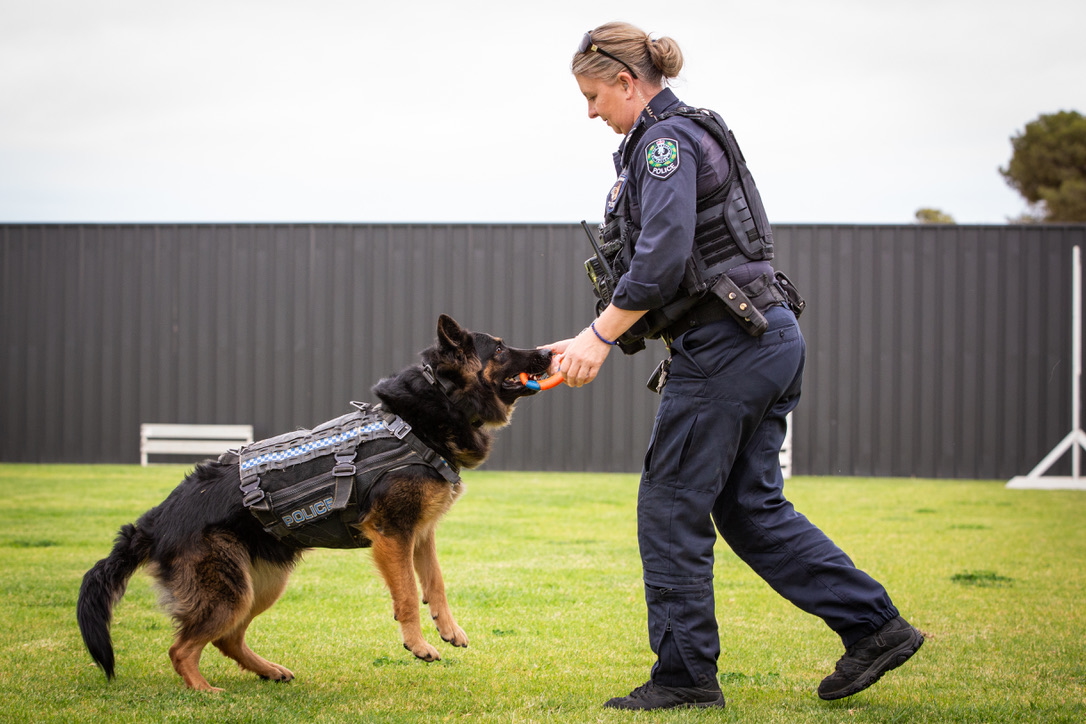
“We put a stab-proof vest on them that goes on… at the start of our shift, and that’s kind of a sign to them that they are on duty,” Hunt said.
Stay informed, daily
Their work can take them anywhere across the state, from tracking apprehended offenders and finding missing people to detecting drugs, firearms, explosives, and stolen property.
“For example, if there was a robbery and a weapon was used, or a tool or handbags [were] stolen, we would bring in the dogs to try and find those articles and the people who committed that offence,” she said.
The dogs can also be deployed at short notice, travelling by helicopter to locations across SA and interstate.
“We respond statewide — we could get a call to say, ‘In 20 minutes, you need to be down at the Police Air Wing’, and you’re jumping on the helicopter and flying to, you know, Albury, or Renmark, or Broken Hill, or Mount Gambier,” she said.
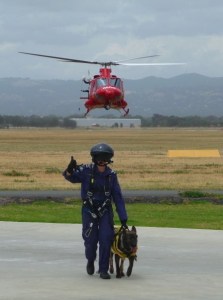
Hunt says the dogs “absolutely love coming to work”, so retirement is a big adjustment, typically occurring between six and eight years of age.
“I know some people are concerned that animals should not be working, but we only enhance their natural capabilities; they don’t like days off,” she said.
“When they retire, it’s a massive transition for them because, all of a sudden, they’re left at home, and some other dog is going in their spot.”
While some retired police dogs remain with their former handlers, others are rehomed to members of the public. Hunt says many people assume SAPOL still covers their expenses after retirement.
In practice, the department continues to pay for food when retired dogs remain with their handlers; however, this support does not extend to dogs adopted by members of the public.
Without access to standard pet insurance, retired police dogs can also incur significant ongoing veterinary expenses, particularly as they age and develop health issues related to their working lives.
Retired Police Dogs SA helps bridge this gap through community donations and local business partnerships, as well as an annual $10,000 grant from SAPOL.
Hunt says the organisation’s broader goal is to ensure the dogs receive the care and recognition they deserve following years of service.
“We just want people to know that these dogs… deserve to be looked after and have the absolute best retirement that they can have,” she said.
Want to see more stories from InDaily SA in your Google search results?
- Click here to set InDaily SA as a preferred source.
- Tick the box next to "InDaily SA". That's it.