Primates farewell Adelaide for long-term welfare
Adelaide Zoo says it is prioritising the “long-term welfare” of four baboons as they prepare to move to a new home.
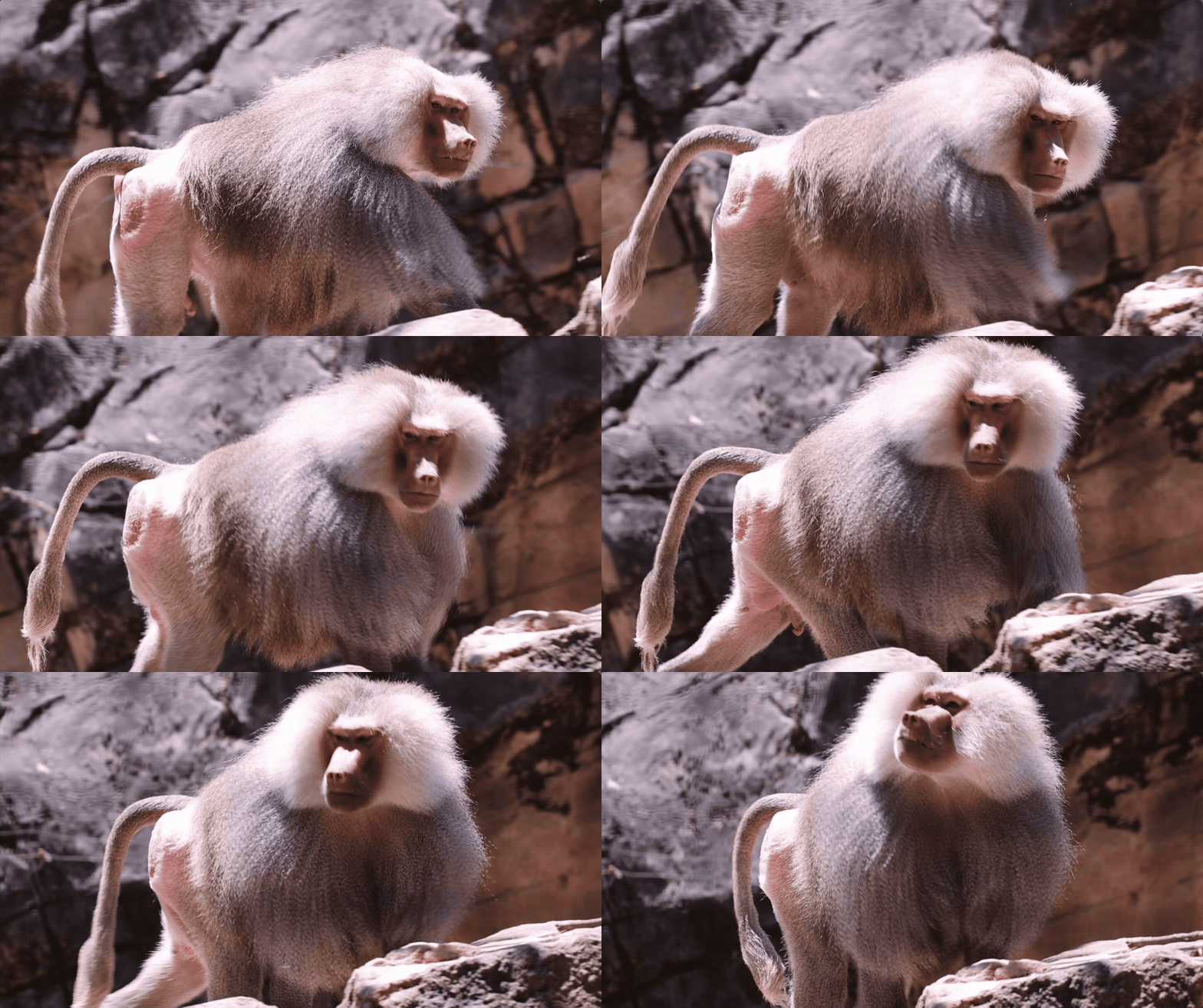
Four Hamadryas baboons, Quasi, Djibouti, Mahali and Tomkay, are set to leave Adelaide Zoo after staff made a decision to focus on their long-term welfare.
Zoos SA chief executive Dr Phil Ainsley said the move would provide the baboons a richer, more socially complex environment and that the four would remain together as they prepare to join a larger group.
“Hamadryas Baboons have an incredibly complex social system, and those relationships are a vital part of their wellbeing,” Ainsley said.
“The move means Quasi, Djibouti, Mahali and Tomkay can stay together, while having the opportunity to develop additional social relationships as part of a larger group.”
No decision has been announced regarding the new home for the four baboons or the future use of the Hamadryas Baboon habitat, which has been a stalwart at Adelaide Zoo for several decades.



Hamadryas Baboons are most commonly found in Ethiopia, but also range into eastern Sudan, Eritrea, Djibouti and northern Somalia.
Tomkay, the eldest of the four baboons, was born at Adelaide Zoo in 2014 before his brother Djibouti was born in 2016. They were joined by two female baboons Quasi and Mahali in 2021 when they were transferred from Melbourne Zoo.
But recently there has been an increased focus on fewer zoos caring for larger groups to give the animals more opportunities for building social relationships.
“Zoos work together to consider factors including genetics, breeding, group structure, suitable habitats and the long-term welfare of each animal,” Ainsley said.
Stay informed, daily
“It is always difficult to farewell animals that visitors, members, volunteers and staff have known for many years, but animal welfare has to come first.”

The decision follows a recent transfer of Hamadryas baboons Jabari and Lily, who relocated from Adelaide to Melbourne Zoo following Zoo and Aquarium Association Australasia Species Management Program recommendations.
The baboons will be visible to the public for the final time next Monday before preparations begin to relocate the primates.
Want to see more stories from InDaily SA in your Google search results?
- Click here to set InDaily SA as a preferred source.
- Tick the box next to "InDaily SA". That's it.