Skin cancer breakthrough could cut death risk by almost half
The results of a late-stage trial showed an experimental vaccine slashed the risk that melanoma returns by 42 per cent.
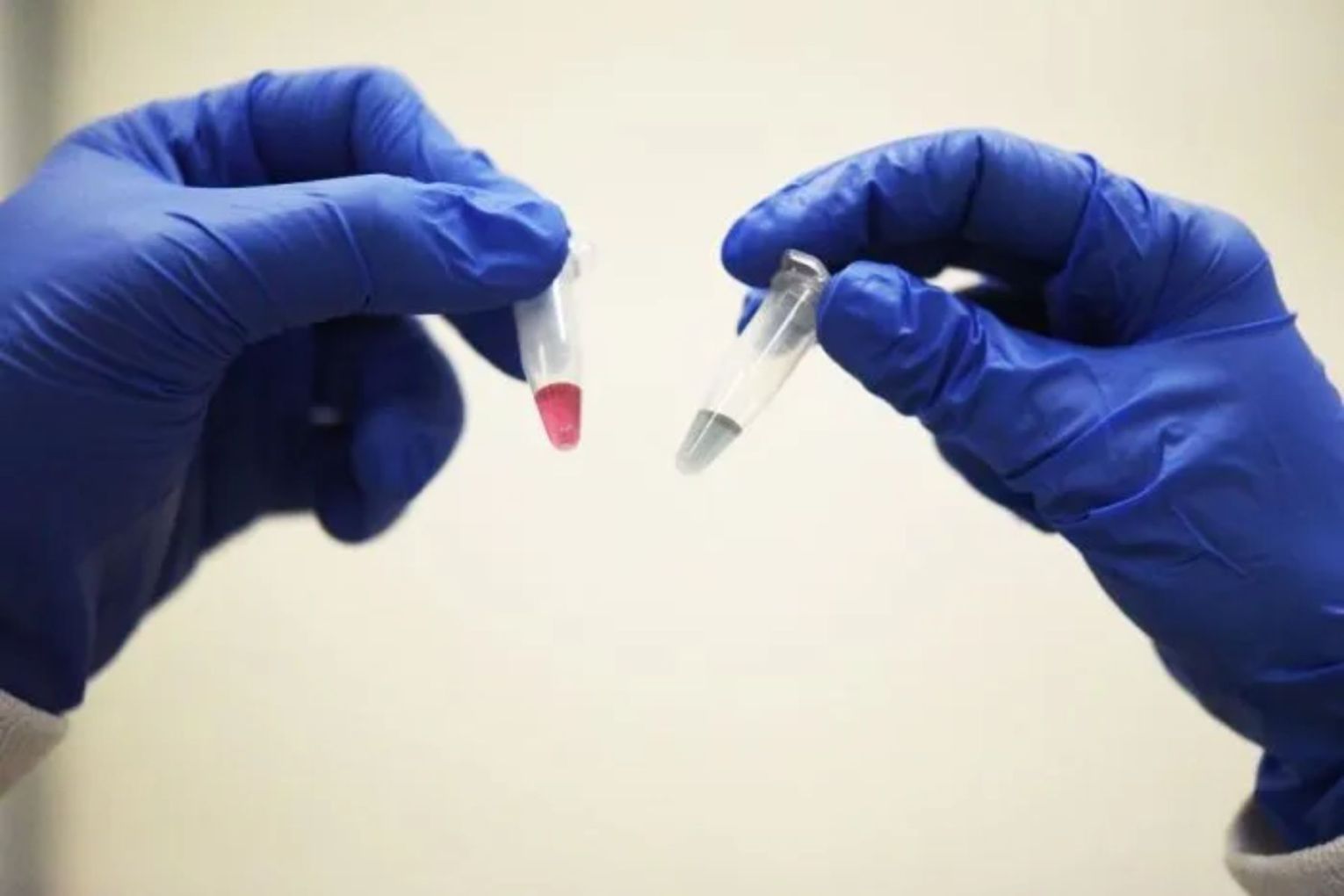
Moderna and Merck say their mRNA cancer vaccine when combined with Merck’s widely used immunotherapy cut the risk of melanoma death or recurrence by 42 per cent in a large trial, potentially paving the way for a new era of personalised treatment.
The data from the Phase 3 trial of more than 1100 patients also showed that the combination cut the risk of the cancer’s spread by 38 per cent.
It is the first data to show that the combination of a vaccine based on mutations unique to each patient’s tumour plus a drug that helps the immune system fight cancer can keep the disease at bay. The vaccine, known as intismeran autogene, was tested along with Merck’s blockbuster immunotherapy Keytruda, among the world’s biggest-selling medicines.
Some analysts said the data may raise concerns among investors about how broadly the technology may extend to other cancers.
Keytruda works by removing a natural brake cancer cells use to hide from immune system attack, while the vaccine instructs the patient’s cells to produce copies of specific mutations for the immune system to seek and destroy.
You might like
Moderna CEO Stephane Bancel said the data signalled a new chapter in cancer treatment.
“With this ability to create new T cells that are specific to your tumor… the clinical impact is very profound, and as we saw in the Phase 2 (trial), very lasting,” Bancel said.
The companies are preparing to file for US approval and expect the cancer vaccine to launch in 2027, Bancel said.
The intismeran/Keytruda combination is already being tested in multiple other cancers, including kidney, bladder and lung cancer.
Stay informed, daily
Bancel said he believes the vaccine should add to efficacy “everywhere that Keytruda works,” but it remains to be seen how much it will improve results. Keytruda is approved for 19 types of cancer.
The CEO also said intismeran could work on its own as a treatment in early-stage cancers.
The Phase 3 melanoma results, based on patient data for the first two years after treatment, are scheduled to be presented on Saturday at the European Society for Medical Oncology meeting in Madrid.
Among those who received the vaccine in addition to Keytruda, 82.2 per cent were still cancer-free after two years, compared with 70 per cent of patients who received Keytruda alone.
“This is highly statistically significant. It is not by chance,” Dr. Hussein Tawbi, a melanoma expert and trial investigator at the University of Texas MD Anderson Cancer Centre, said of the results.
Several Wall Street analysts said before the meeting that investors were looking for the combination to cut the risk of recurrence by 40 per cent or more.
“We see optimism waning on pricing in multibillion-dollar (intismeran) franchises across oncology,” wrote RBC analyst Trung Huynh.
“This data makes us less optimistic as melanoma was supposed to be the best case.”
The trial tested nine doses of the vaccine along with Keytruda, beginning 13 weeks after surgery to remove melanoma lesions. The response to the combination treatment was compared with that of the patients treated with just Keytruda, a standard therapy for melanoma.
-with AAP
Want to see more stories from InDaily SA in your Google search results?
- Click here to set InDaily SA as a preferred source.
- Tick the box next to "InDaily SA". That's it.