‘Welcome home’: SA town celebrates return of tourist drawcard
Much-loved stingrays are returning to a popular beach ravaged by an algal bloom, but local divers suspect the broader ecology is yet to recover.
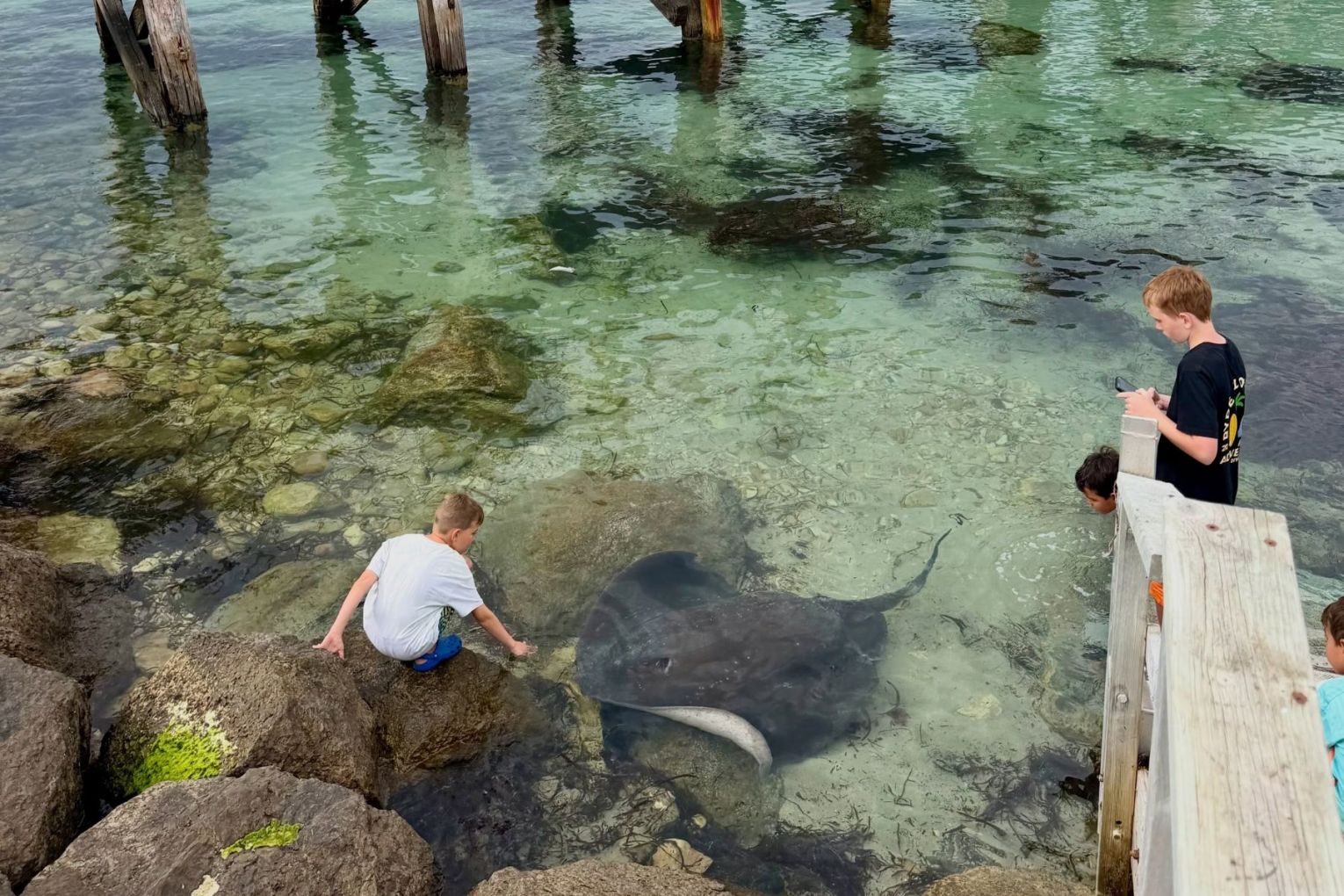
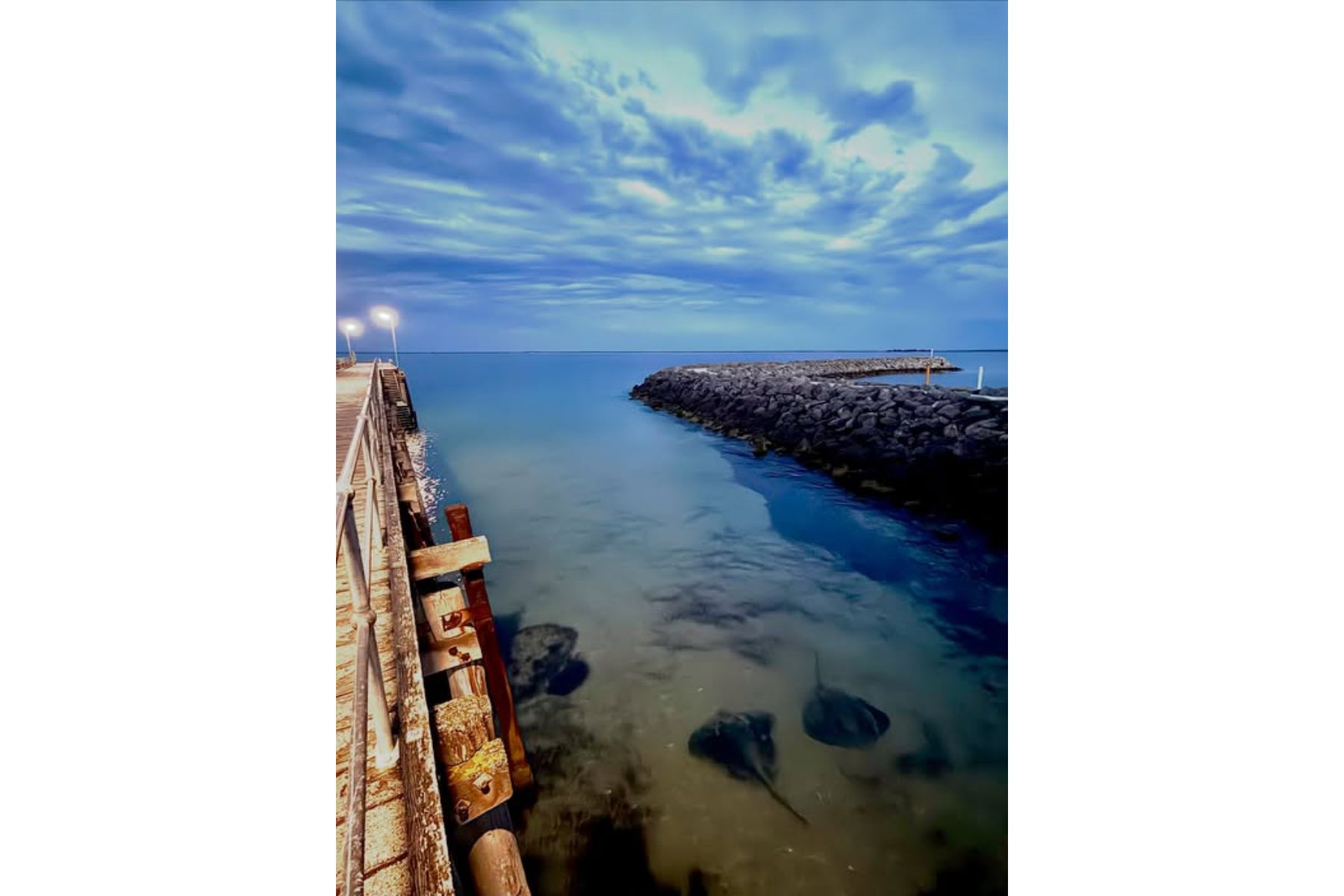
Stingrays feared to have been disappeared forever have returned to a popular coastal town nine months since its marine population was devastated by an algal bloom.
It’s among the first of several signs that some marine species are returning much earlier than South Australian locals anticipated.
Tourists and locals from across the Yorke Peninsula have been flocking to the shallow waters off Point Turton to witness the beloved smooth ray species that have become a town icon.
Taking to Facebook, the Point Turton Caravan Park shared pictures of two stingrays in the shallow water by the jetty.
“Tonight, we witnessed the most incredible sight — two beautiful, large smooth stingrays have returned to Point Turton,” the post said.
“We know so many people have been concerned and wondering if we would ever see them back… and tonight, they gave us the most wonderful surprise.
You might like

“Welcome home.”
For Kevin Sweeney, a local fishing charter operator of over 25 years, their arrival couldn’t have come at a better time as tourism numbers began to bounce back too.
“Even this week we were catching fish along the coastline. Two months ago we weren’t seeing this,” he said.
The harmful algal growth was first identified in mid-March 2025 off the Fleurieu Peninsula before reaching parts of lower Yorke Peninsula in January 2026.
Latest government testing showed either zero or low levels of Karenia, the harmful algal species present in the bloom, recorded across the vast majority of South Australia’s coastline.
Stay informed, daily
But Yorke Peninsula local Stefan Andrews from Great Southern Reef Foundation said it did not point to a greater recovery of the broader ecosystem.
Other stingray species that were decimated during the algal bloom, including the southern fiddler and southern eagle ray, had not yet made a comeback.
“Particularly if (stingrays) are able to move further, we’re able to see them return,” he said.
Research showed smooth rays, which were also badly hit during the bloom, could travel over 100km, he said.
RecFish SA chief executive Asher Dezsery said other species were beginning to return as well.
“The water is looking cleaner than ever, we’re seeing calamari start to pop back up in locations and we’re seeing species migrate,” he said.
“Stingrays also take a very long time to grow to that size, so it’s really important to see them coming back to shallow areas.”
A temporary ban on King George whiting was lifted earlier than expected but there’s been a dramatic shift from marine recreational fishing since the bans were put in place.
“Some of the fishing clubs are reporting up to 46 per cent of their club reports last year was freshwater now,” Dezsery said.
Up to 340,000 South Australians fish recreationally every year contributing $1 billion to the economy, $403 million of which goes directly to tourism.
The state government has targeted freshwater programs to support the industry, including on Monday stocking the Happy Valley Reservoir with nearly 3000 trout and opening the Tod Reservoir in the Eyre Peninsula to fishers for the first time.
-with AAP
Want to see more stories from InDaily SA in your Google search results?
- Click here to set InDaily SA as a preferred source.
- Tick the box next to "InDaily SA". That's it.