The Flinders factory turning bold ideas into global products
From robotic production lines to lifelike surgical training models, Flinders Factory of the Future is giving South Australian businesses access to the tools, technology and expertise to problem solve and grow.
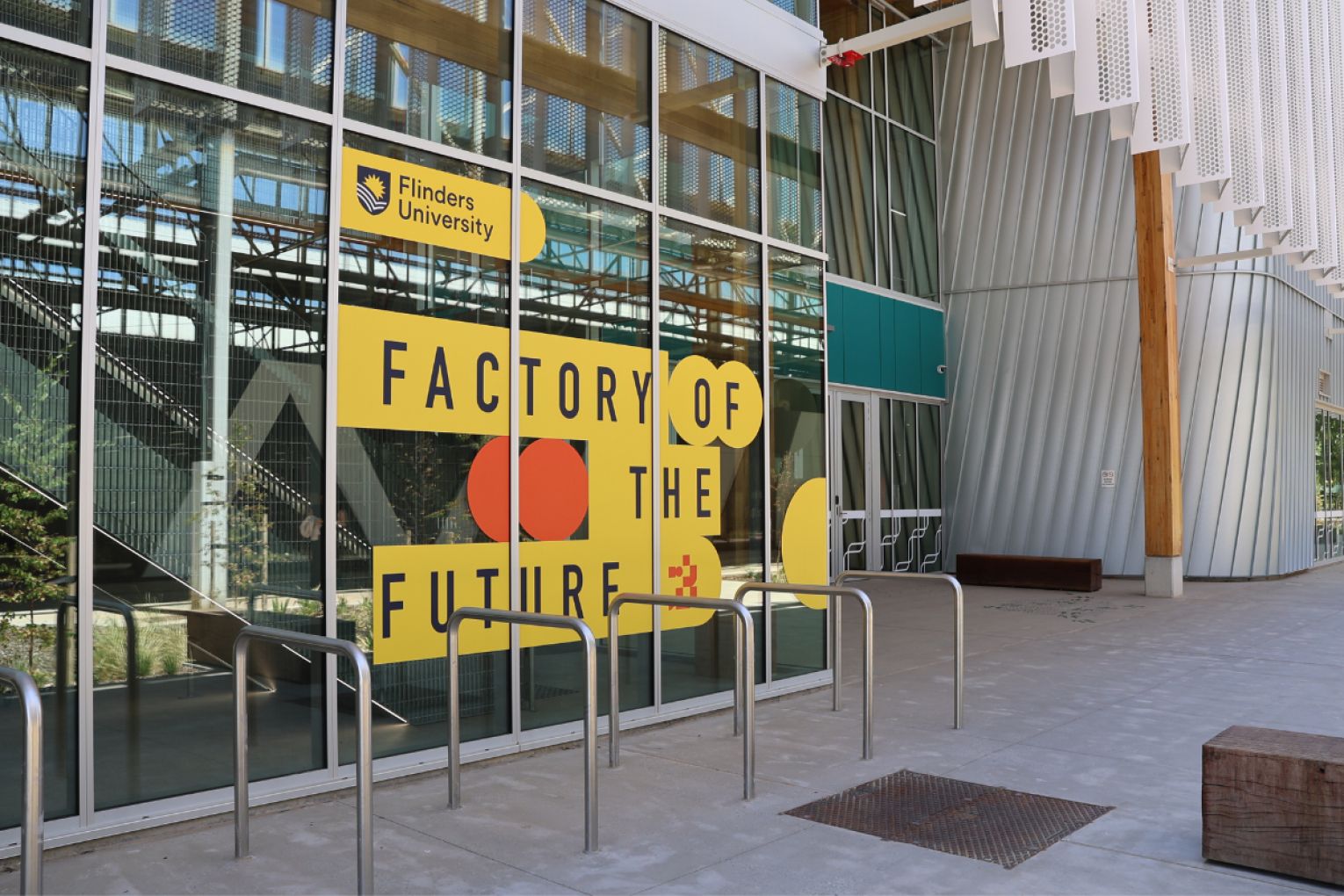
In Adelaide’s southern suburb, embedded within the Tonsley Innovation District, you’ll find Flinders University’s Factory of the Future. A purpose-built space where skilled researchers and engineers can be found working on everything from autonomous robots to realistic surgical training models, AI and machine learning for satellite technology and more.
The Factory comes at a time when there is a growing need and want for “Australian made”, with bold ambitions from federal and state governments around what we can make and build ourselves, and the industries we want to grow. This means the advanced manufacturing sector is evolving rapidly, with an increasing emphasis on skilled jobs, local production capability and stronger integration into global supply chains.
“Australian manufacturing is entering an exciting new phase, where success will depend on how quickly businesses can adopt new technologies, build capability and respond to changing global demands,” says Professor Karen Reynolds, director of Flinders Factory of the Future as well as director of Flinders’ Medical Device Partnering Program (MDPP).
“The Factory is partnering with companies to make that shift by connecting them with the expertise, infrastructure and partnerships they need to grow.”
The Factory bridges the gap between research and industry, giving businesses access to the expertise, technology and space to test ideas, solve real problems and turn innovation into products that can be taken to market.
“The Factory is helping Australian manufacturers grow, compete on the world stage, and deliver more sustainable, efficient solutions,” says Professor Raymond Chan, Flinders’ Deputy Vice Chancellor (Research).
You might like


“For many businesses, the challenge is not a lack of ideas but access to the right expertise, equipment and partnerships to bring those ideas to life and commercialise them. That’s where the Factory can make a real difference.”
Backing businesses to build, scale and go global
One of the key programs at the Factory is the Manufacturing Growth Accelerator (MGA) program, delivered in partnership with the South Australian Department of State Development. MGA gives small and medium-sized enterprise (SMEs) access to researchers, technology expertise and opportunities to trial advanced manufacturing solutions, helping businesses build capability and accelerate adoption of new technologies.
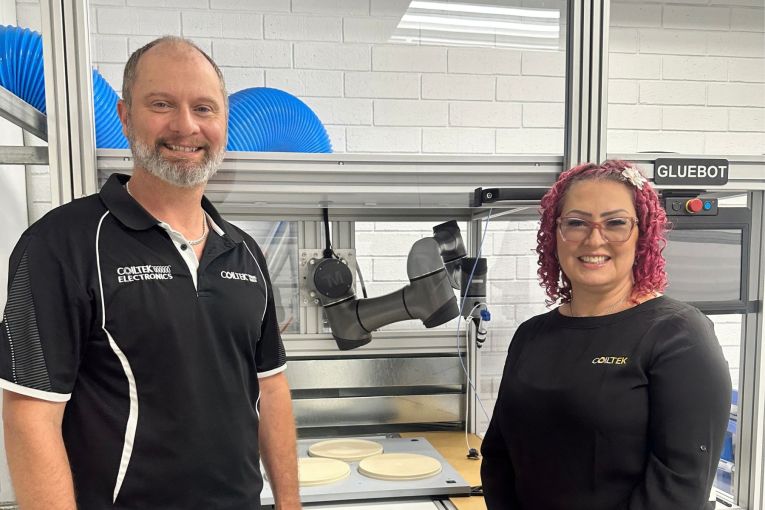
One of the many businesses benefiting from this program is Adelaide based company Coiltek – a leading producer of metal detector coils. Coiltek needed help to tackle a key bottleneck in its production line: the manual gluing of detector covers.
The process was slowing production and required additional measures to protect workers from hazardous fumes. With around 75 per cent of its products destined for export markets, Coiltek needed a safer and more efficient solution.
Through the MGA program, Flinders experts completed a feasibility and design study for an automated robotic workcell. The project delivered a practical roadmap for introducing a collaborative robot to take over the gluing process, including recommendations on equipment, layout and implementation.
The work also helped Coiltek secure additional funding to purchase a collaborative robot, dispensing equipment and a fume-management enclosure.
The automation upgrade is expected to increase production capacity, reduce costs and improve worker safety, while helping Coiltek remain competitive in international markets.
And Coiltek isn’t alone. Flinders experts are also working with South Australian aerospace company, Neumann Space. They produce high-performance satellite technology, but rising demand means quality control needs to keep pace.

To support that growth, Flinders Factory of the Future is developing a machine learning inspection tool that can help automate checks across Neumann Space’s products. The technology is designed to lift production capacity while improving quality control and traceability.
The Factory has also just announced a new flagship innovation model, FORGE, which received grant funding from the Australian Government, to help organisations move from idea to market. The model connects businesses with the expertise, infrastructure and industry partners needed at different stages of development, including support for design, manufacturing, validation, short-run production, assembly space and quality systems.
The first phase of the model is FORGE: Medical Devices, which will focus on the growing medical devices sector, providing targeted support to help companies build capability, scale production and take new products to market.
“There is a real sense of momentum in Australian manufacturing, and the Factory is well placed to help industry take advantage of it,” Professor Reynolds says.
“We have an opportunity to build the next generation of advanced manufacturing capability here in South Australia, and to support businesses as they turn great ideas into globally competitive products.”
Find out more about Flinders Research That Matters. Changing 10 million lives, here.
Want to see more stories from InDaily SA in your Google search results?
- Click here to set InDaily SA as a preferred source.
- Tick the box next to "InDaily SA". That's it.