Fleurieu community rallies to give seagrass a second chance
A new community-led project is calling on Fleurieu residents to help restore lost seagrass in Encounter Bay.
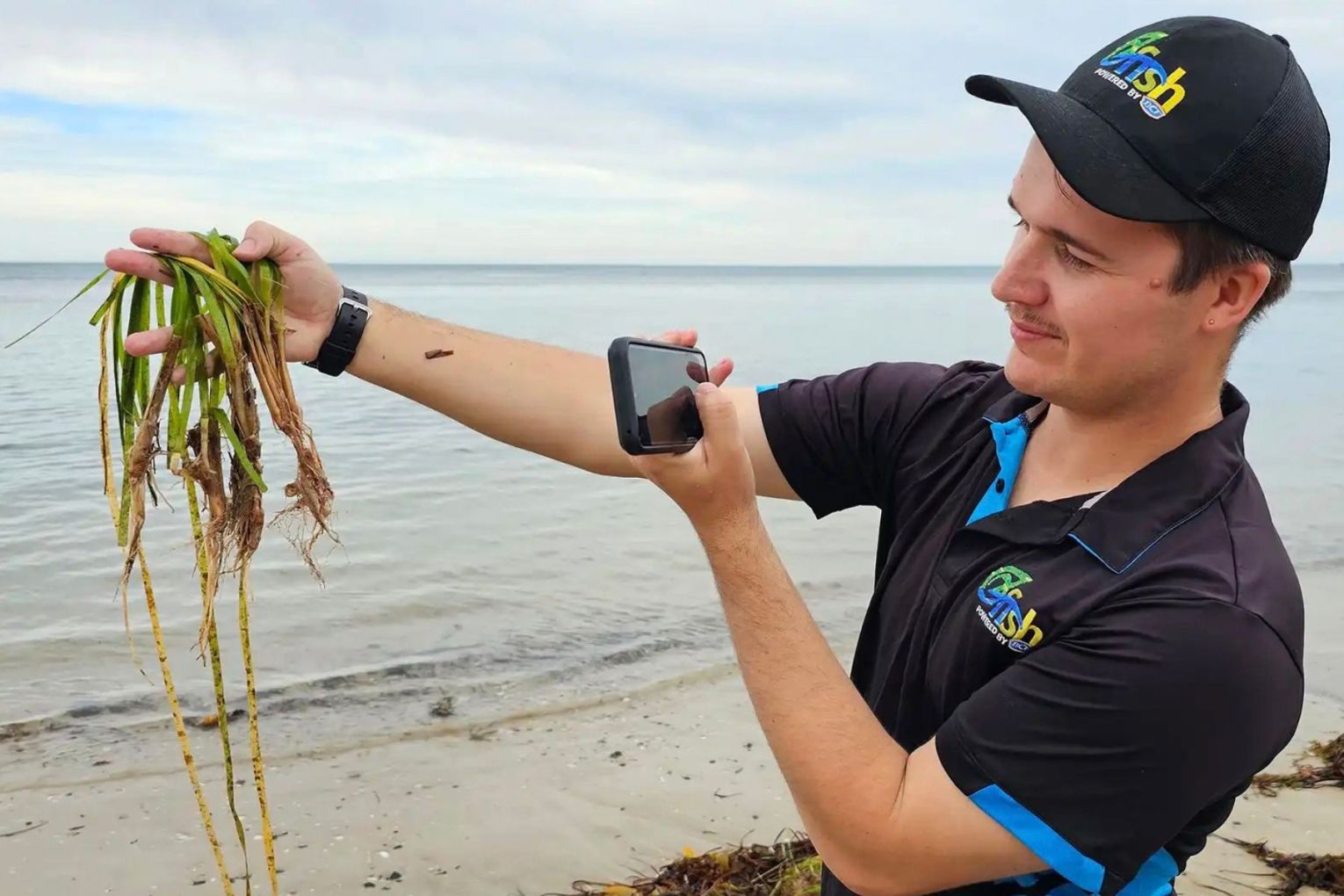
The Seagrass for Snapper project – funded by the state government as part of its algal bloom response – is calling on Fleurieu residents to help restore lost seagrass in Encounter Bay by rescuing living fragments washed onto local beaches, contributing to fish habitat restoration.
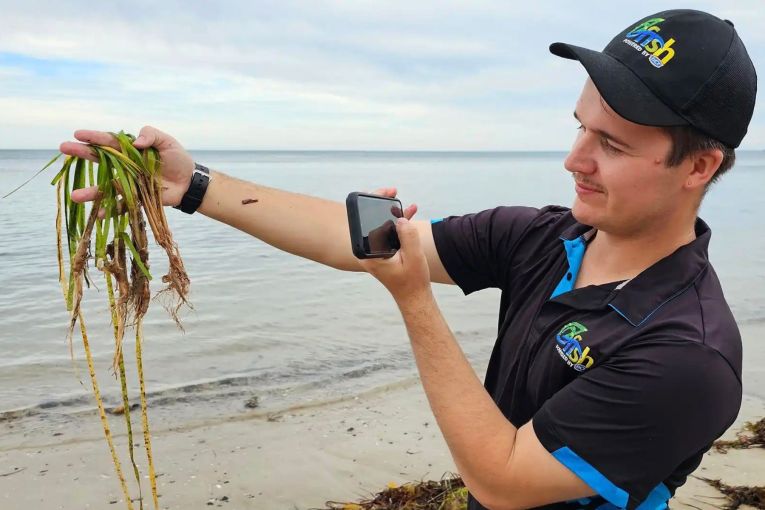
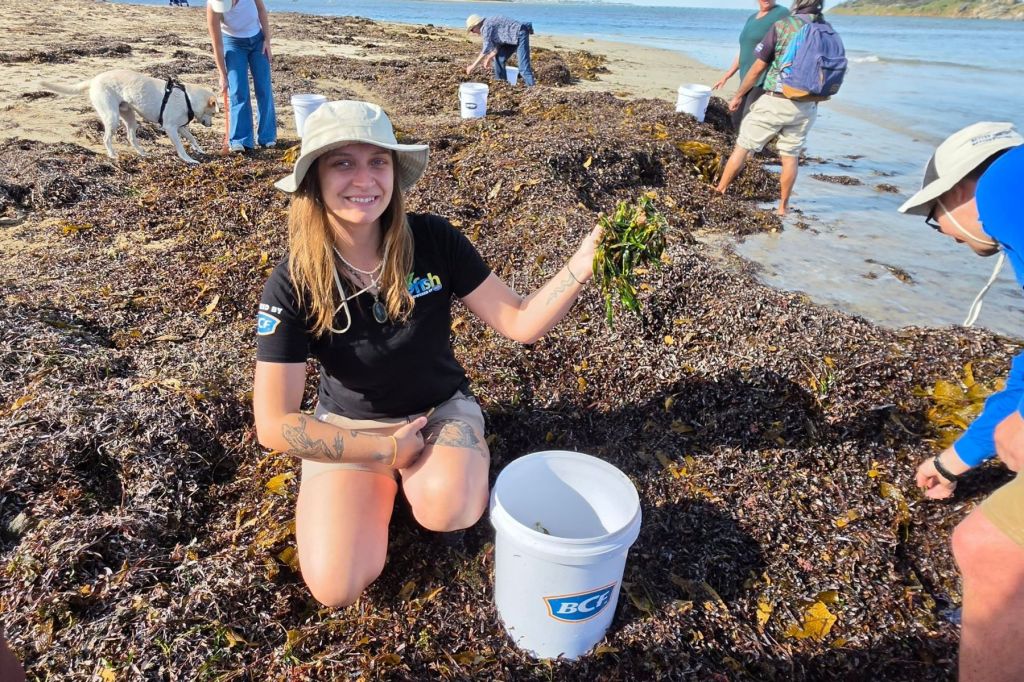
The project will see recreational fishers and locals at the beach collect fresh seagrass fragments and seedlings that have naturally broken away from established meadows.
Rather than drying out on shore, the collected seagrass will be anchored in sandbags and replanted in Encounter Bay.
Seagrass meadows provide food, shelter and nursery areas for species including snapper, King George whiting, southern calamari and blue swimmer crabs, while also supporting smaller marine animals that form part of the food web.
The project grew out of Seeds for Snapper OzFish’s Seeds for Snapper program, which has collected and replanted Posidonia seagrass seeds in South Australia since 2021.
You might like
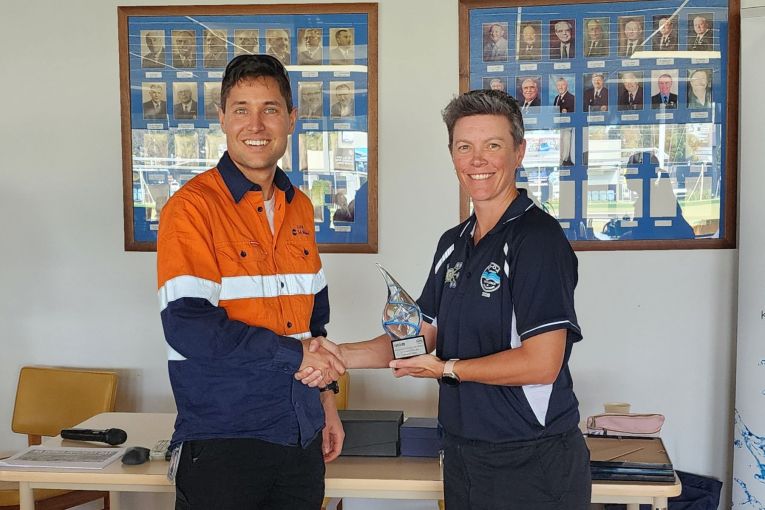

However, this project is trialling different forms of seagrass restoration.
OzFish SA/NT regional manager Dr Brad Martin said the project was “really aimed at trying to boost that seagrass and ensure that it’s there for the long term”.
OzFish hopes the community will provide at least 2,000 seagrass fragments—from September to November —from beaches along the Fleurieu South Coast, from Cape Jervis to the Murray Mouth.
Stay informed, daily
Collected seagrass can be dropped into specially designed baskets attached to the pontoon next to the Bluff Boat Ramp in Victor Harbour, where it will be prepared for replanting.
“Seagrass, while it’s relatively healthy in Encounter Bay, it has decreased,” Dr Martin said.
Dr Martin believes various environmental factors have contributed to the decline.
“Over time, due to a combination of stormwater pollution, stronger wave energy with climate change and coastal erosion. The main impacts for them (seagrass) are things like marine heatwaves and, increasingly, climate change,” he said.
From September to November, OzFish will host Seagrass Walk and Talk across Victor Harbour, teaching locals how to identify seagrass, understand its importance to marine ecosystems and safely collect fragments for restoration.
“Ultimately, from this project, we want more information about seagrass, more habitats and hopefully more fish,” Dr Martin said.
“We’ve seen what the community can achieve with Seeds for Snapper, and this new project means we can keep that momentum going for even more of the year.”
Want to see more stories from InDaily SA in your Google search results?
- Click here to set InDaily SA as a preferred source.
- Tick the box next to "InDaily SA". That's it.