Glass Empty at SA parliament
Jonathan Hart is today telling pollies about his bid to help prevent suicide through the pub – and why it works.
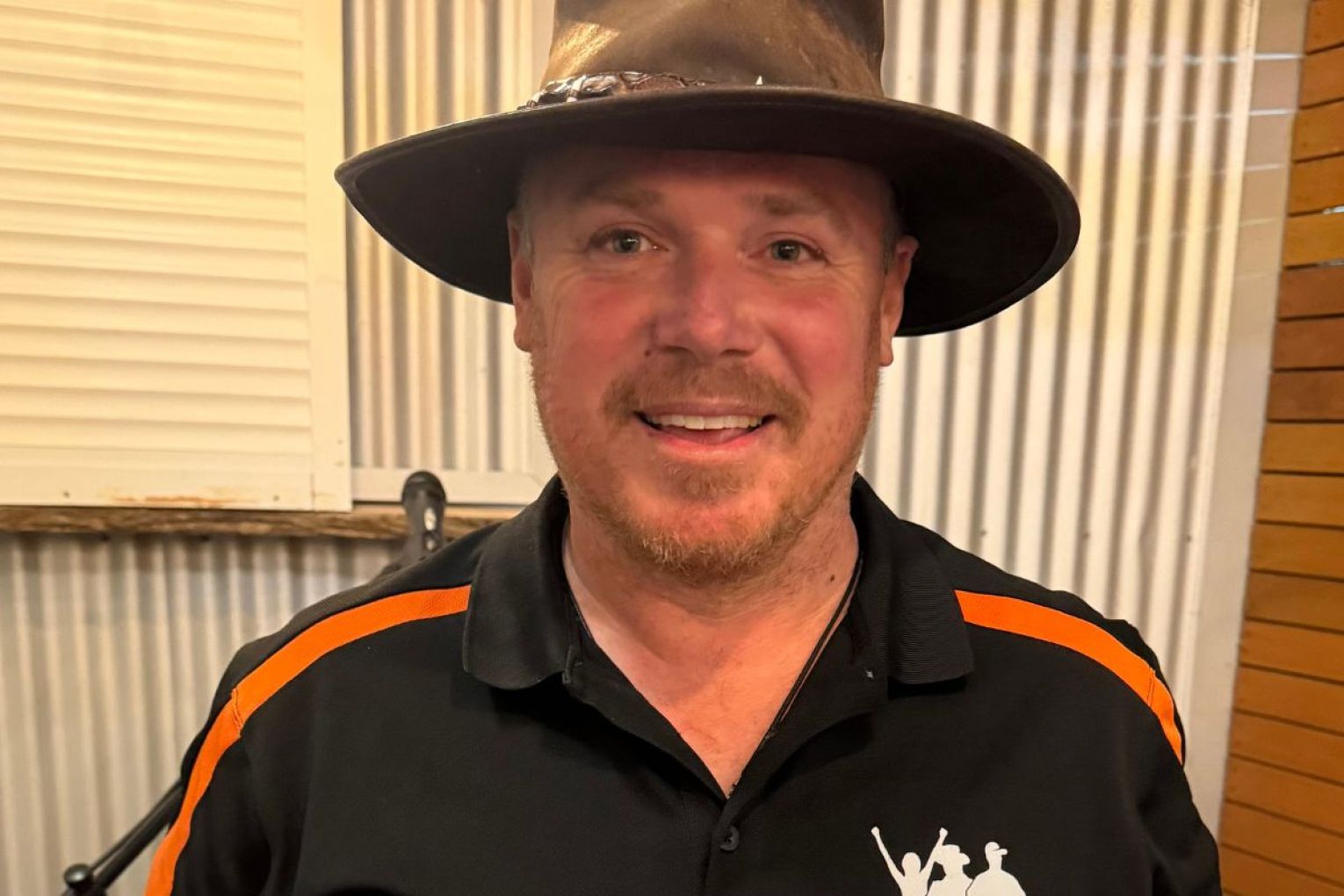
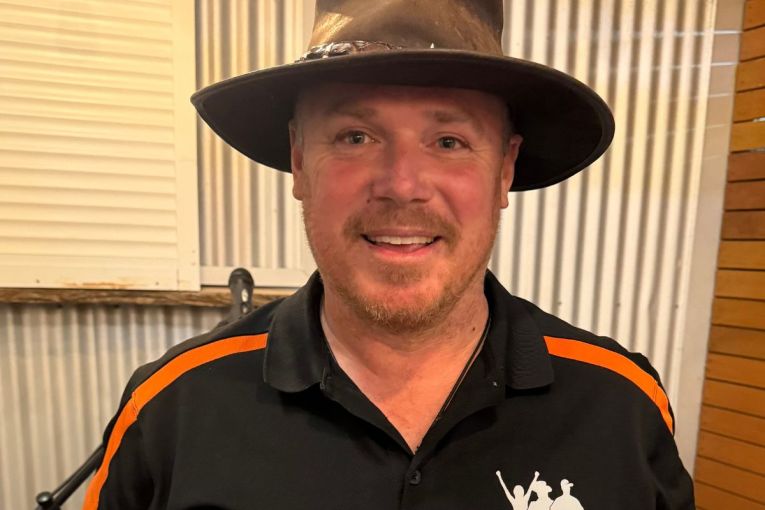
Aldinga local Jonathan Hart is speaking at a Friends of Men Wellbeing Forum at Parliament House today where he will share the benefits of Glass Empty, a suicide prevention initiative based in the community of local pubs.
“There are some great people you’ll find at the pub,” Hart told InDaily about the new project he has been trialling to help South Australians share and find support around mental health challenges.
“Maybe doing something different… can assist the person in the pub where they’re going for connection.”
Hart began tackling suicide prevention after his own struggles with mental health, explaining that he had a nine-month period of regular suicidal thoughts, and it was regularly speaking about the challenges with his dad that helped to pull him out of it.
Based around the silent suicide prevention signal of placing a “Glass Empty” coaster on an upside down glass, Hart has spent the past 12 months trialling the project in the Aldinga region.
You might like

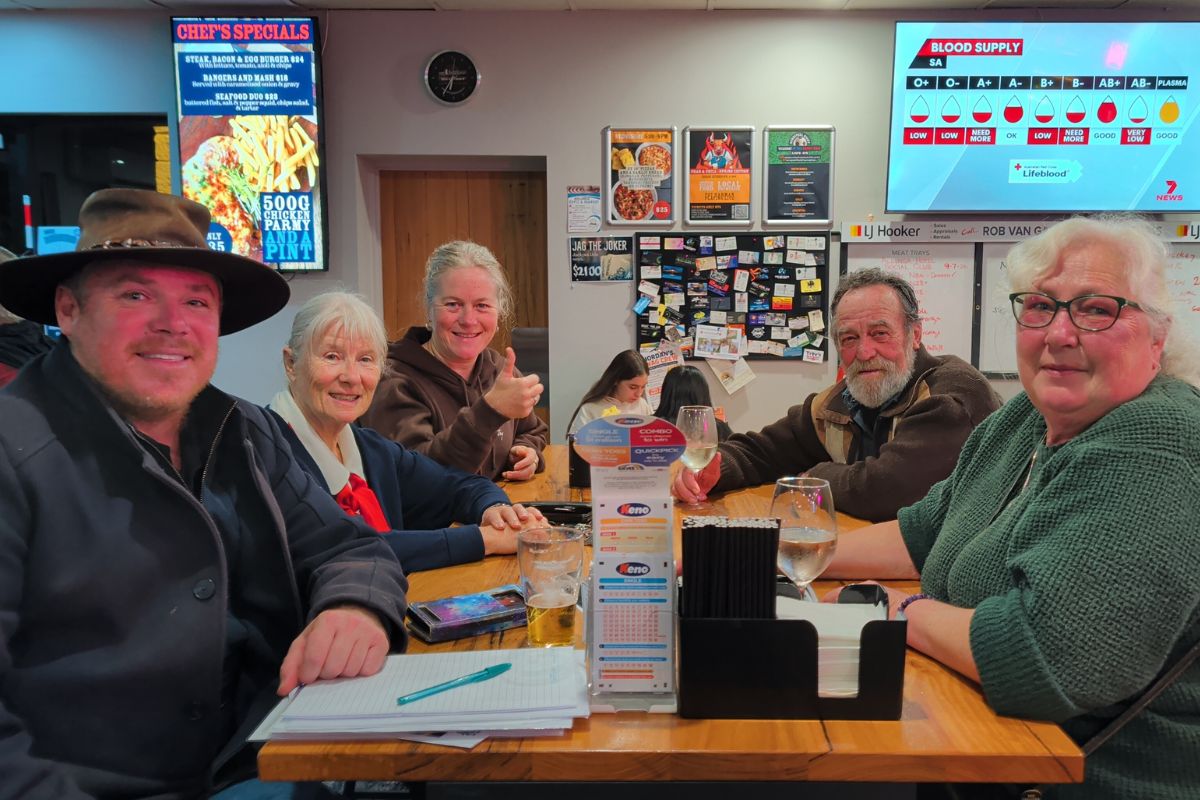
He said the signal is “a doorway into the conversation,” because “by having it in the pub, by having it in the venues, it’s telling the community that it’s okay to ask for help.”
“You’ve got the locals, like in my pub here [in Aldinga], you’ve got the locals in the social club, who are involved in this initiative, that care, and they’ll take someone out to the beer garden if they’re going through a tough time, and have a conversation.”
Jonathan is one of two speakers at the forum today, where he will be addressing politicians and people in the industry about the need for community-based initiatives like Glass Empty.
He said there was a need for mental health services “that are created not in a university, not in a boardroom, but by people that are willing to care and show up and build community capacity, because mental health is not just dealt with in a mental health facility. It’s the community that can also play its part.”
Stay informed, daily
According to Hart, 39 per cent of people who die by suicide do not reach out, and whilst there have been campaigns like R U ok Day about asking somebody if they’re okay, and increased focus on beating the stigma of speaking about mental health struggles, suicide rates were not improving.
Suicide rates have grown from eight to nine per cent since 2019, despite substantial funding of mental health research and facilities, and Hart suggested that there were new angles to approach the issue.
“We aren’t seeing that the stats drop, so maybe there’s another way, and maybe that way can be a coaster. Maybe it can be a silent way to say “I’m not okay”, and maybe doing something different like that can assist the person in the pub where they’re going for connection, to realise that ‘wow, the people here might care’,” he said.
The 2026-27 South Australian State Budget allocated $28 million over four years for a specialised mental health assessment unit at the Royal Adelaide Hospital, intended as a space for people experiencing a mental health or drug and alcohol crisis.
However, according to the Mental Health Coalition of South Australia, this delivers little for the 19,000 South Australians with severe mental illness, who needed more community based mental health support.
Hart noted that the community initiative is not a replacement for mental health services, but the community is vocal about their need for more interpersonal support.
“I think that the government needs to take that a little more seriously. They had a 2021 wellbeing report which asked the community what it wanted, and I’ve based a lot of my work on that on that report. Wellbeing SA went to the community, and the community came back and said we need peer-to-peer support networks. We need the community to step up to notice when somebody’s going through a tough time.”
Want to see more stories from InDaily SA in your Google search results?
- Click here to set InDaily SA as a preferred source.
- Tick the box next to "InDaily SA". That's it.