New images: The monster tunnel changing Adelaide’s west
The state government’s $15 billion Torrens to Darlington project is transforming the inner western suburbs forever, new aerial imagery reveals. See exclusive before-and-after shots from the sky.
Three gigantic machines are currently tunnelling under the inner western suburbs as part of the state government’s $15.4 billion Torrens to Darlington (T2D) project.
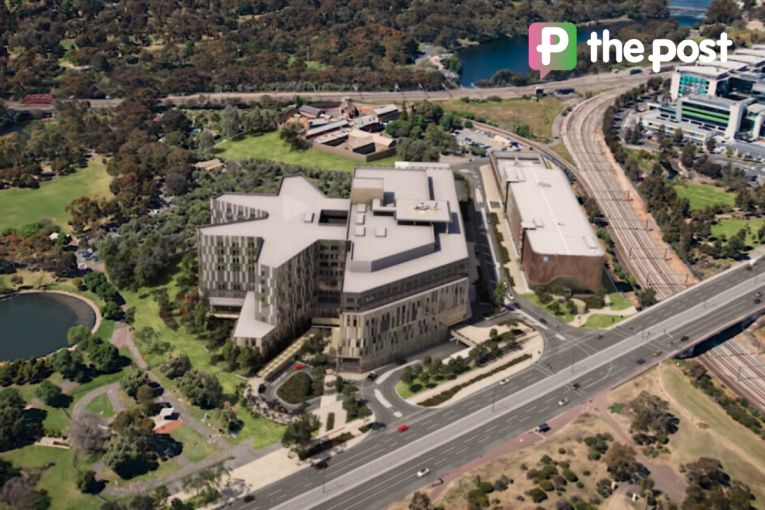
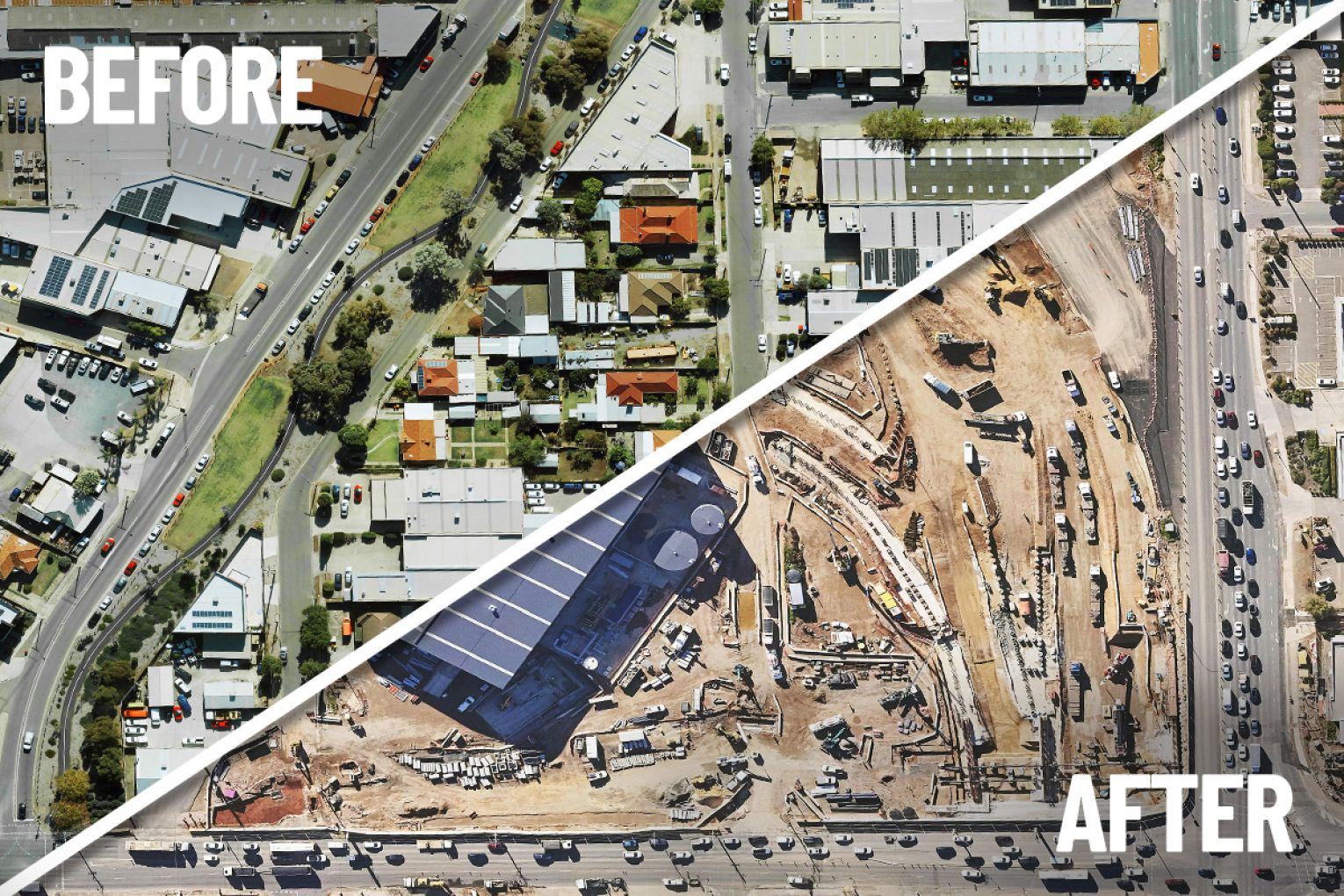
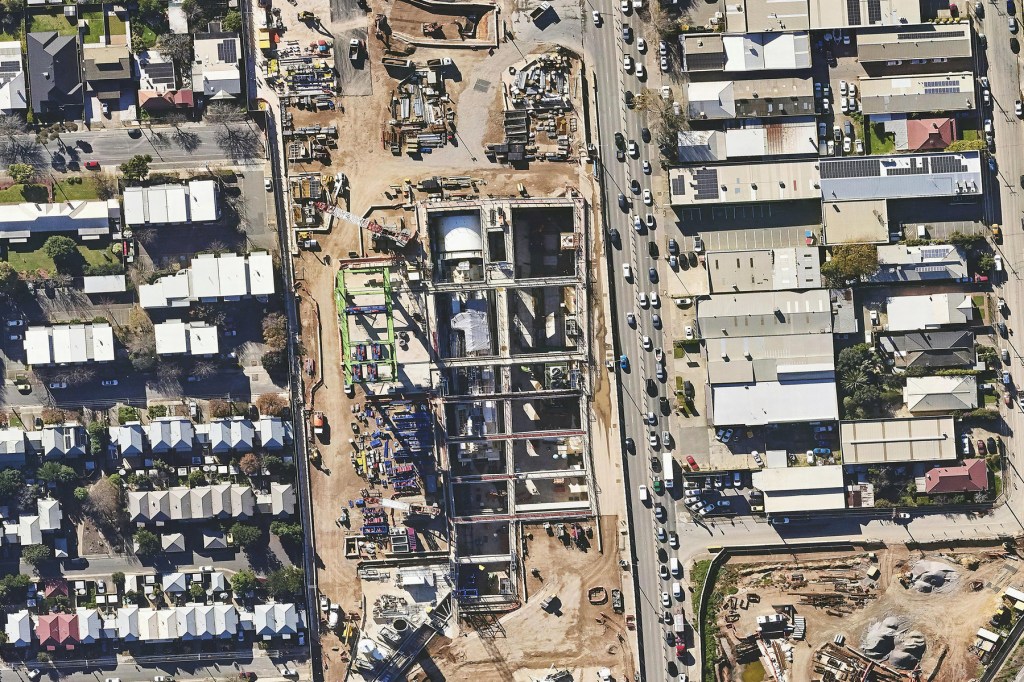
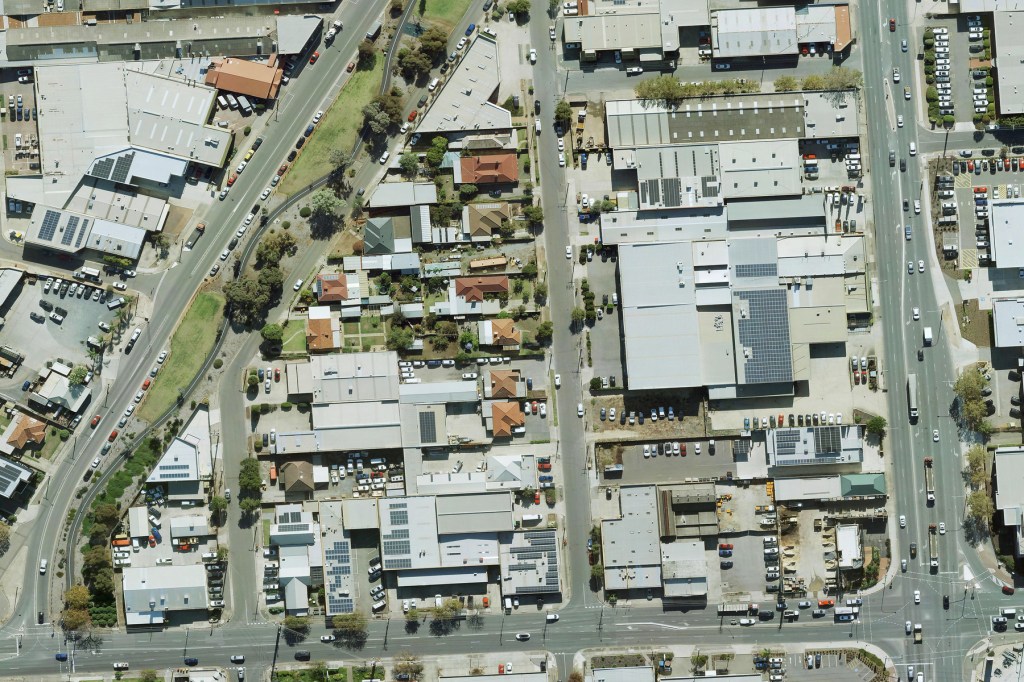
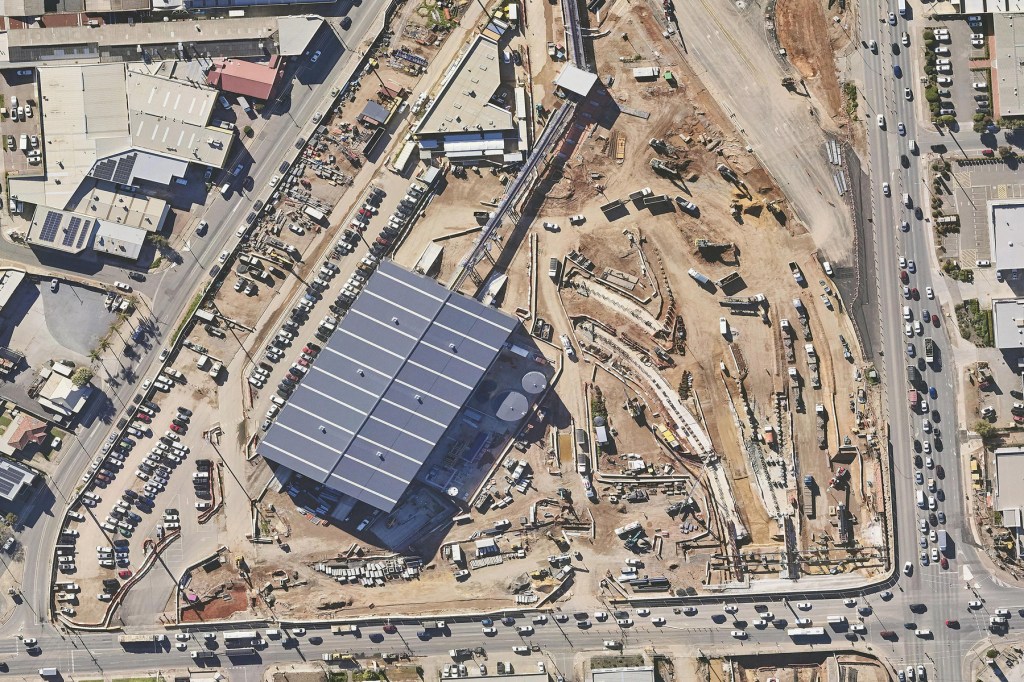
New high-resolution aerial imagery of the inner western suburbs supplied to InDaily by SA-based MetroMap shows just how much that part of town has changed – homes and businesses have been knocked down to make way for the major pieces of infrastructure supporting T2D.
MetroMap is a product of SA company Aerometrex, which supplies aerial imaging and mapping services to the private and public sectors.
T2D is the final piece of the puzzle in the state’s North-South Corridor upgrade, and will complete 78km of non-stop, traffic light-free motorway between Gawler and Old Noarlunga.
It is the most ambitious infrastructure project ever undertaken by the state government and involves three tunnel boring machines – called Mary, Catherine and Elizabeth after significant women in SA history – which move eight to 10 metres underground each day.
Darlington, May 2022
You might like
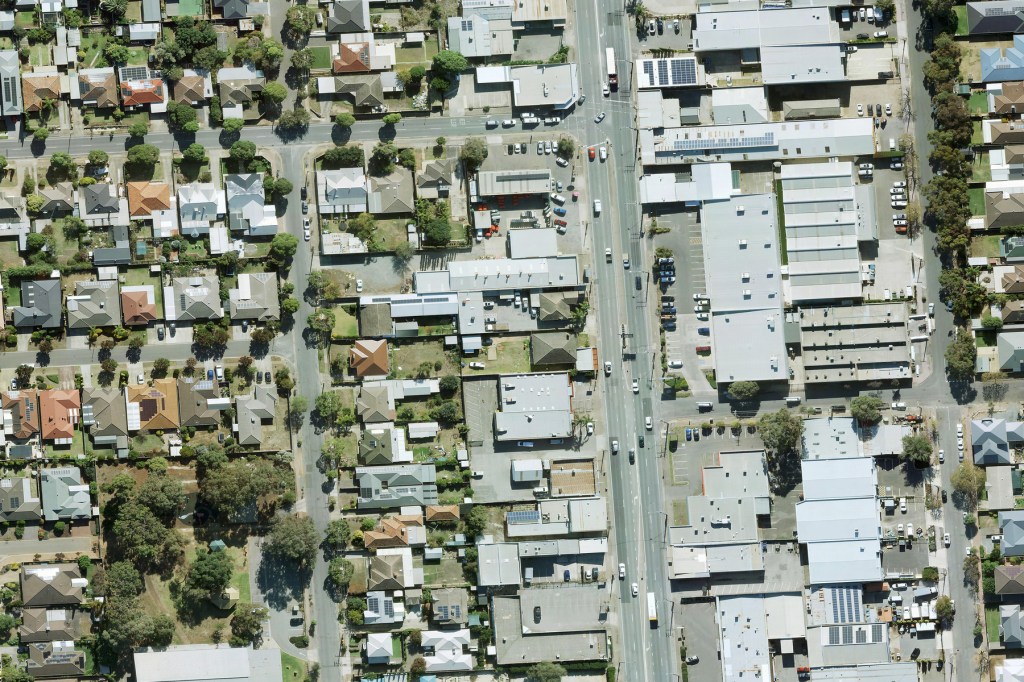
Darlington, June 2026
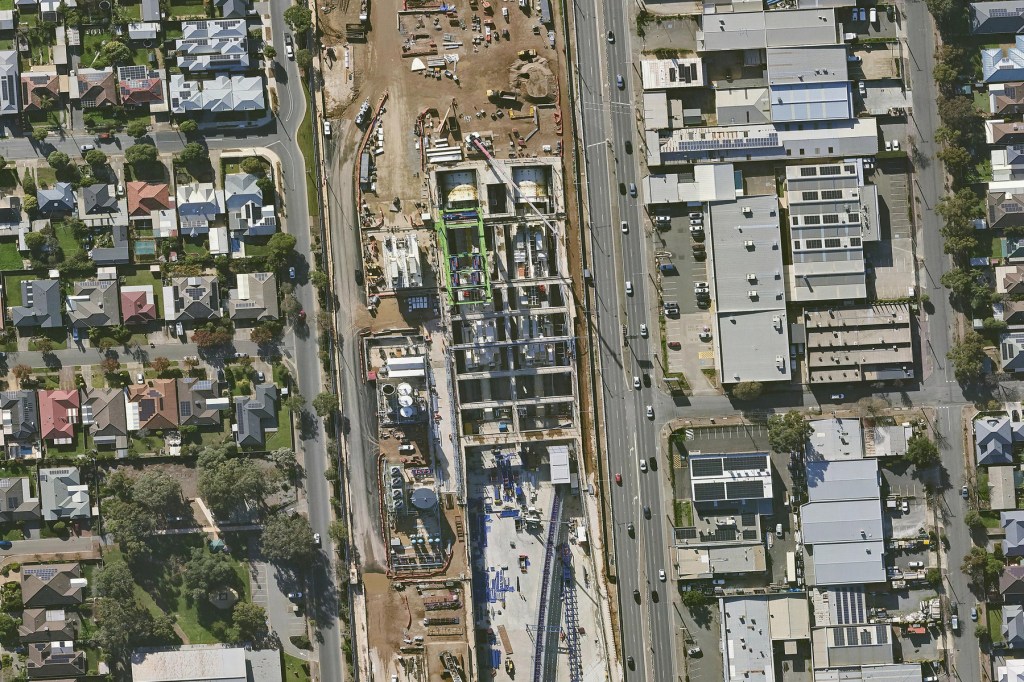
Tonnes of excavated material will be removed from underground to the surface – about five million tonnes of rock and soil – which will be sent to a site in Gillman.
The boring machines each stretch around 100 metres in length and weigh 3500 tonnes. They are the largest pieces of construction equipment ever used in SA.
Tunnelling is expected to take about two years, then work will continue on building the road within the tunnels.
Stay informed, daily
Mile End, August 2023
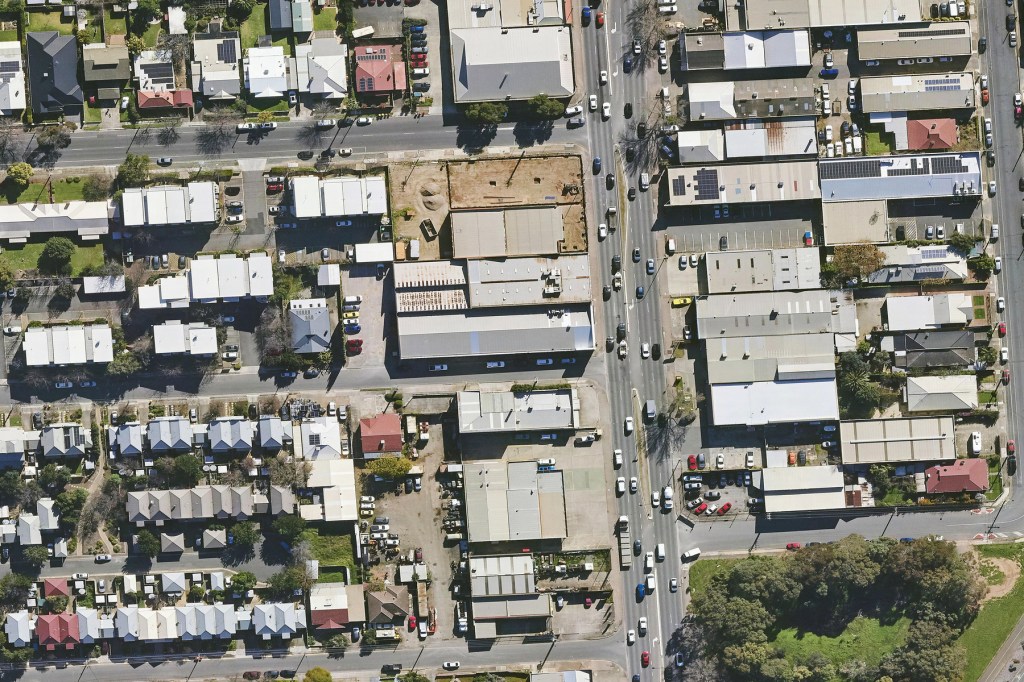
Mile End, July 2026
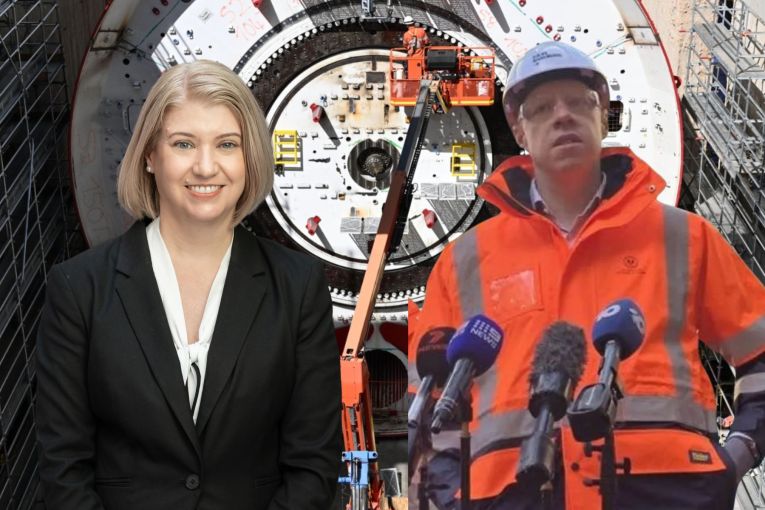
It is a project weighing heavily on the state’s coffers – state debt is set to hit $53.6 billion by 2030 – but this week SA Department for Infrastructure and Transport chief executive Jon Whelan said he was confident T2D would stay within budget.
This is despite a recent Auditor-General’s report warning of a high cost to taxpayers if the project blows out.
Whelan told State Parliament’s Budget and Finance Committee this week that war in the Middle East has had a “minimal impact” on cost pressures related to diesel and construction materials for the $15.4 billion project.
“We are confident that we can meet the project budget stated, even with the impacts and effects that have happened in the war in Iran. We remain confident this project stays on track and on budget,” he said, adding that he was also confident the project would be completed by 2031 despite just 175 metres of the North-South corridor having been bored so far.
Richmond, May 2022
Richmond, July 2026
Want to see more stories from InDaily SA in your Google search results?
- Click here to set InDaily SA as a preferred source.
- Tick the box next to "InDaily SA". That's it.