Water-cleaning tech plan for River Torrens blocked
A new bid to clear bacterial outbreaks in the city centrepiece waterway filled with debris is meeting opposition.
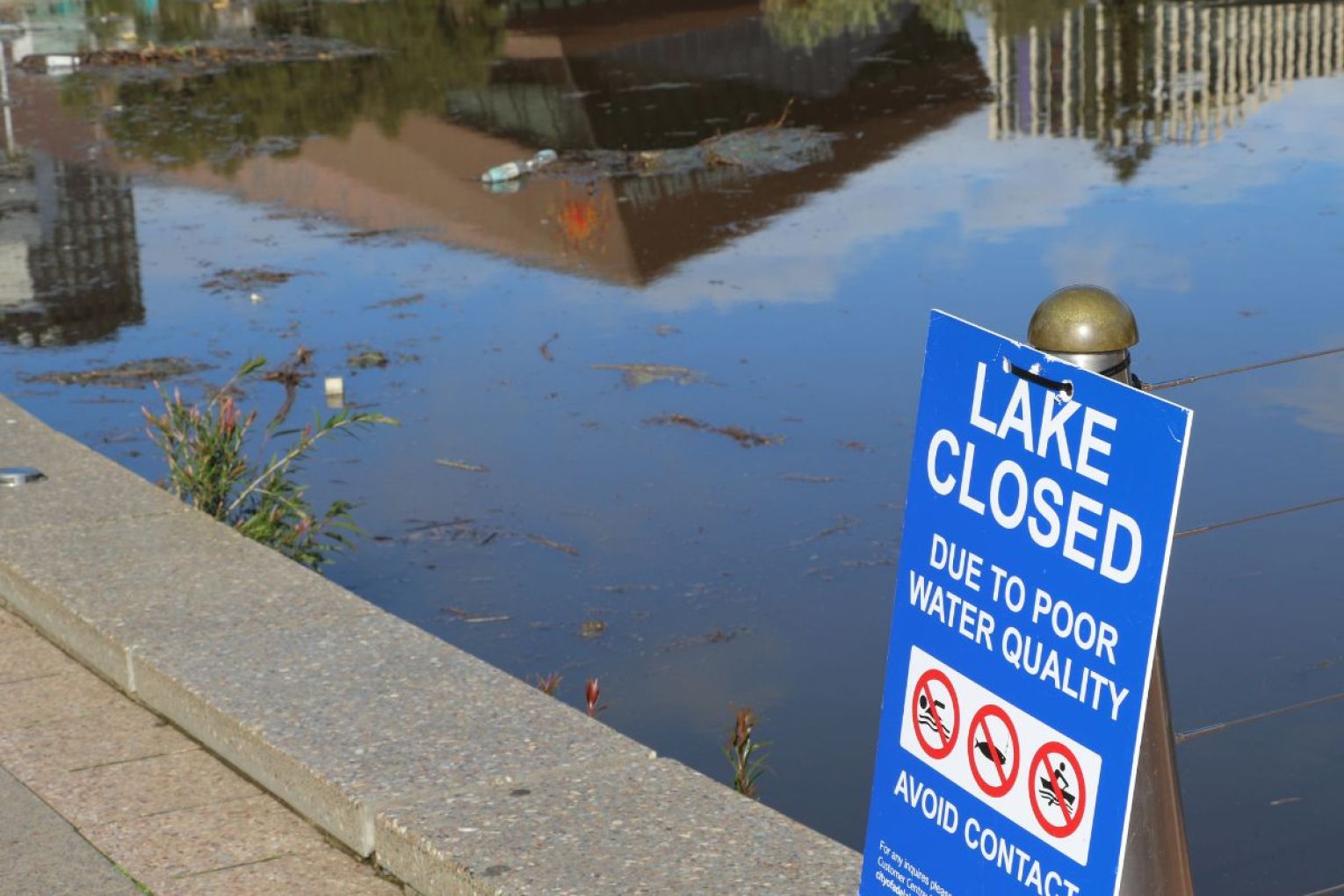
Adelaide City Councillors have voted against plans on Tuesday night to introduce nanobubble technology to improve water quality of the Torrens Lake after recent high rainfall swamped the waterway with unwanted debris.
Deputy Lord Mayor Carmel Noon called on council to take a “stronger leadership role in the health of Torrens Lake”, through a controlled six-month trial of nanobubble oxygenation and controlled ozone technology.
Nanobubble oxygenation technology uses microscopic gas bubbles which are injected into liquids to boost oxygen levels, clean contaminants, and improve water quality without relying on harsh chemicals.
“Are we prepared to keep accepting recurring water quality warnings and closure in Torrens Lake, or are we prepared to properly investigate whether there is a better way,” Noon said.
“[Torrens Lake] supports rowing, dragonboating, Popeye, tourism events, business and recreation yet we continue to experience water quality problems, warnings and closures.
“What we are currently doing is not working. Are we going to keep reacting to problems in the Torrens Lake as they occur or are we going to put systems in place that improve the health of the lake for the long-term.”
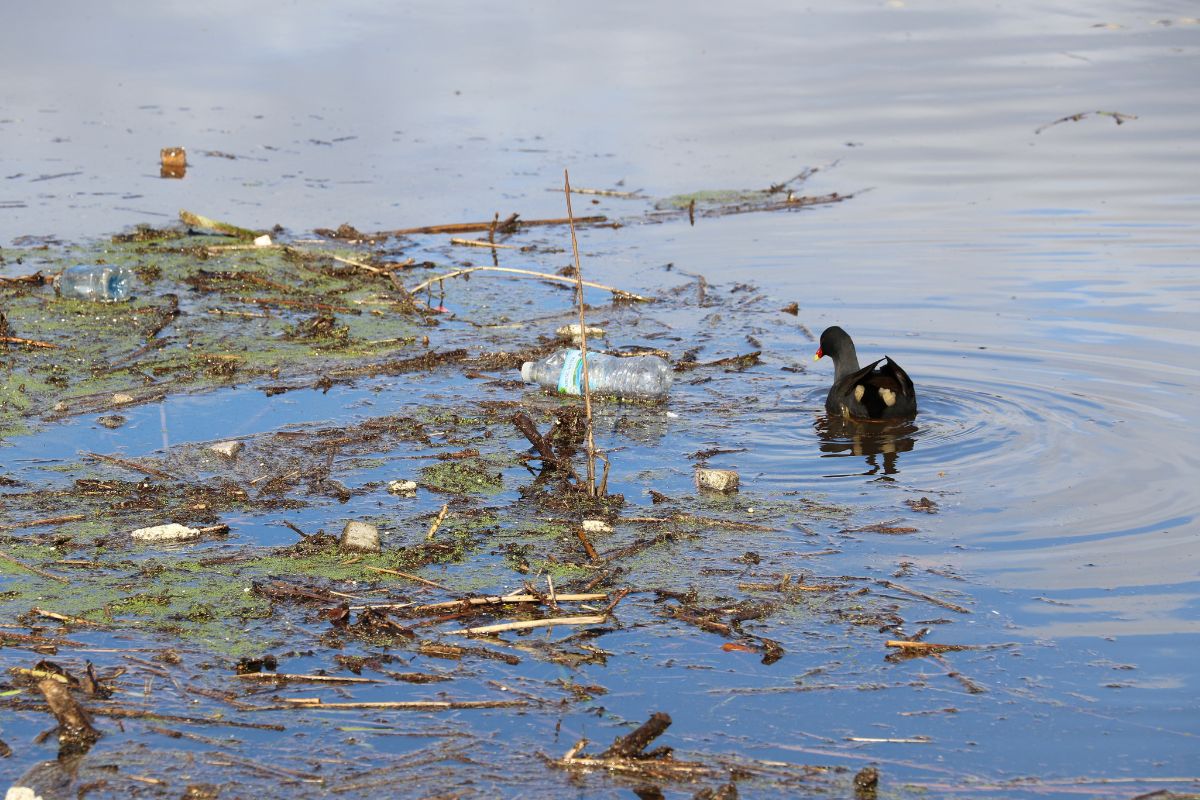
The city centrepiece of the River Torrens has faced a series of closures this year due to unsafe bacterial levels and a pile-up of rubbish and debris.
You might like


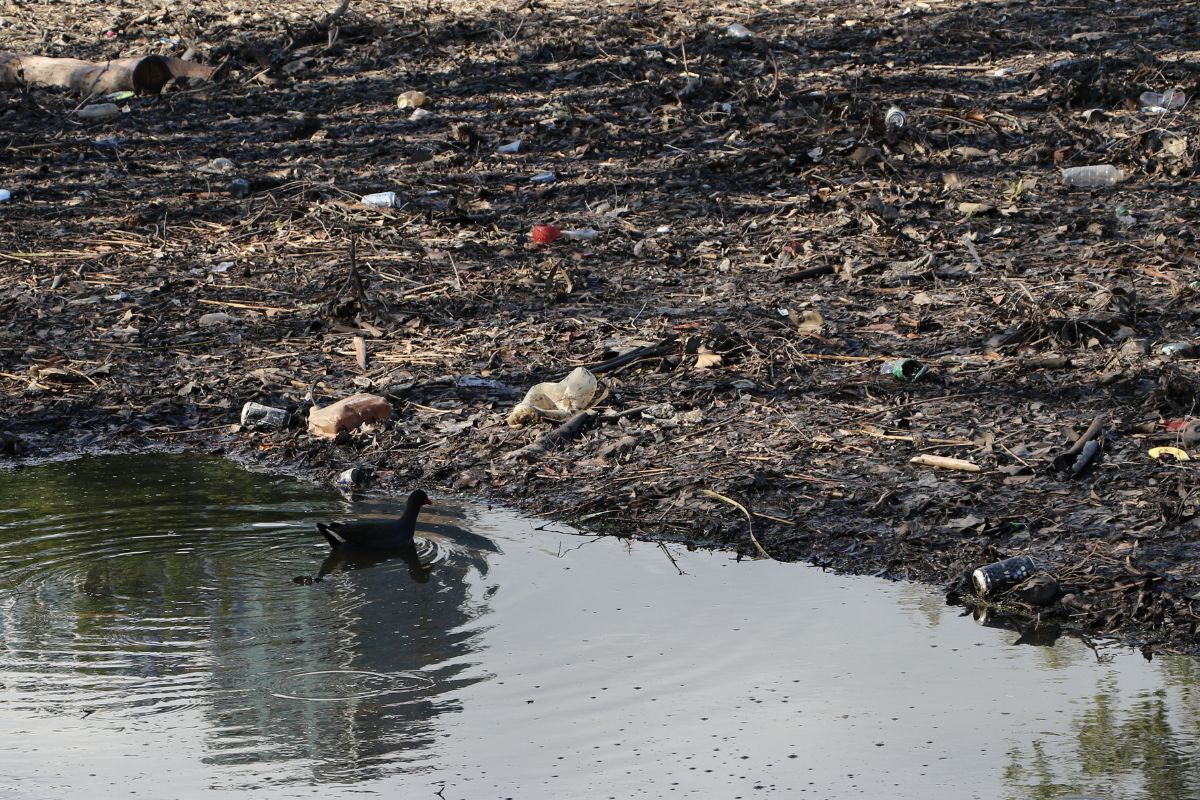
In February it was closed due to the presence of high E. coli levels and dead fish following an extended dry period, before again closing in July following heavy rainfall that washed piles of litter into the lake.
The River Torrens is jointly managed by multiple different councils including City of Adelaide, Norwood Payneham and St Peters, West Torrens and Campbelltown alongside Green Adelaide and government departments.
But Torrens Lake, which is overlooked by Adelaide Oval and the Adelaide Festival Centre, is the Adelaide City Council’s responsibility.
“We have rubbish, litter, organic debris in the lake now and it has been sitting there for a long, long time – not just a couple of weeks,” Noon said.
“Cleaning up the rubbish and improving water quality are not competing ideas – they are part of the same job. We need to address what is coming into Torrens Lake as well as what is happening within the water itself.”
If the motion was approved, it would have seen nanobubble technology costing around $300,000 deployed in Torrens Lake for a six-month trial during the summer.
After months of closures due to high bacterial levels, Torrens Lake officially reopened this week with latest tests confirming safe levels of waterborne bacteria.
Stay informed, daily
Following the confirmation of safe bacteria levels, council staff would now undertake a widespread clean-up effort to remove large amounts of debris and litter which have accumulated along the banks.
“The initial stage of the clean-up operation will involve the removal of litter floating on the lake’s surface. It is due to begin next week,” a City of Adelaide social media statement said.
Nanobubble technology has previously been introduced to Lake Albert in New South Wales to combat algae outbreaks in a year-long trial by Wagga Wagga City Council.
But fellow councillors rejected the idea, saying there was not enough scientific evidence to support introducing the technology.
Councillor Janet Giles said cleaning the river was “not an easy to solve problem”, with the Torrens Lake being “highly affected by a lot of different factors”.
“I get concerned when we jump at technology to solve an environmental problem, you have to be very careful about whether it’s going to work,” she said.
“I’m not willing to put our money into that unless we have a whole lot more information and are able to see the science behind it.”
It follows a state government commitment of $4.06 million to revitalise and rewild the River Torrens, with an additional $1.1 million for stormwater infrastructure as part of the $15 million nature-positive package announced alongside the MotoGP circuit reveal.
The package would look to re-establish native aquatic plants at priority sites along the riverbank to stabilise soils, improve biodiversity and amenity, and combat recurring bacterial outbreaks.
The water infrastructure would also support the reintroduction of native species to the River Torrens including the Platypus.
Want to see more stories from InDaily SA in your Google search results?
- Click here to set InDaily SA as a preferred source.
- Tick the box next to "InDaily SA". That's it.