‘Rockstars of the mammal world’ making SA comeback
An Eyre Peninsula breeding programme is bringing a rare mammal – that lives fast and dies young – back from the brink.
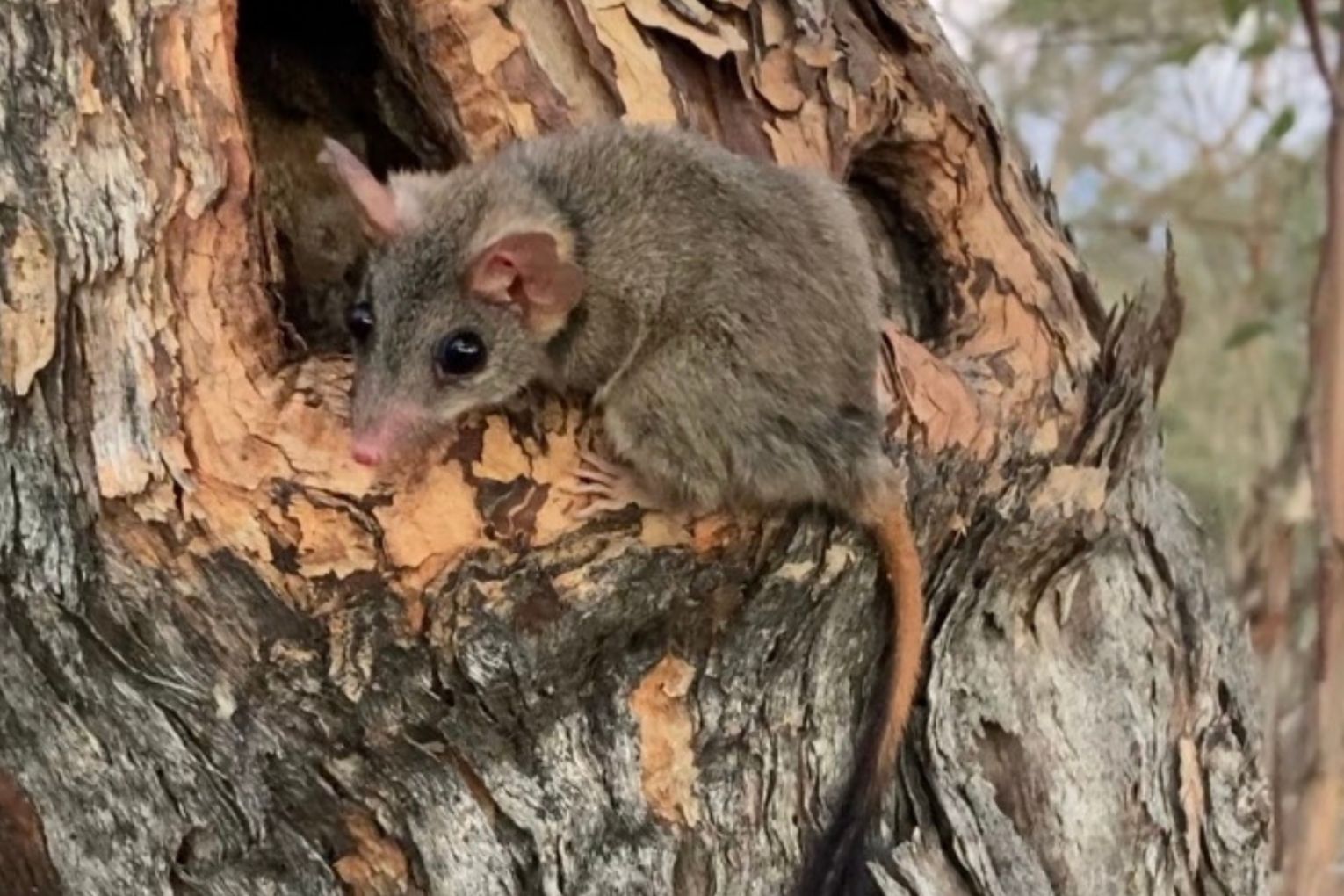
A conservation milestone has been reached in the Gawler Ranges on Eyre Peninsula after endangered red-tailed phascogales were recorded to have been successfully breeding in the wild for the third consecutive year.
The success follows the autumn release of 45 red-tailed phascogales into the Gawler Ranges Safer Haven, bringing the total number reintroduced over the past three years to 189.
It is particularly significant news because there are no truly wild populations of red-tailed phascogales outside of Western Australia.
“That’s really a great success for the program, and a great sign that the population is starting to establish,” Bounceback Program Coordinator Dr Matt Heard said.
“They’re just an amazing animal. They’re one of these rockstars of the mammal world, so they live fast, and they die young, as a lot of small mammals do in Australia. The males only live for about 11 months, and [they] only last one breeding season.”
You might like


Monitoring cameras have recorded 20 females across the northern ranges with footage capturing animals born in the wild.
The reintroduction is part of the Three Safer Havens Partnership between the Foundation for Australia’s Most Endangered Species (FAME) and the South Australian Department for Environment and Water (DEW) Bounceback Program.
Teams are aiming to establish populations in areas where predators, including foxes and feral cats, are actively managed in the region. The Gawler Ranges National Park is around a six-hour drive northwest from Adelaide, it was proclaimed in 2002 to protect rare and threatened plants and animals, including crimson mallee and the yellow-footed rock-wallaby.
It is an area famous for the magnificent Organ Pipes, formed over 1500 million years ago as a result of volcanic eruptions.
Stay informed, daily
The phascogales are small, arboreal mammals that weigh approximately 40 to 60 grams when fully grown and primarily feed on insects and small animals. They have rusty-coloured backs and bushy tails, which enable them to balance as they run through the trees.
Red-tailed phascogales are listed as vulnerable nationally under the Environment Protection and Biodiversity Conservation Act 1999.
With numbers now showing signs of natural growth, resources are being directed towards monitoring the species while continuing feral cat control.
“We’re never going to totally eradicate them from this landscape. We’re using a myriad of techniques to then suppress those numbers, so that while this population of phascogales establishes, they’ve got the best chance that they can have,” Heard said.
The Bounceback Program is also working to restore the health of the northern ranges by controlling feral goats and other overabundant native herbivores.
The goal is to see the ecosystem recover alongside other species, including yellow-footed rock wallabies and malleefowl.
This work spans the Gawler Ranges, Ikara-Flinders Ranges and Vulkathunha-Gammon Ranges national parks, covering around 800,000 hectares of South Australia’s northern ranges.
Heard said the third consecutive year of breeding was an encouraging sign for the species’ future.
“It’s still early days, but we’re really confident that the population is taking the steps in the right direction.”
Want to see more stories from InDaily SA in your Google search results?
- Click here to set InDaily SA as a preferred source.
- Tick the box next to "InDaily SA". That's it.