Inquiry: Surprise Moonta offer as National Trust boss on indefinite leave
An inquiry into the state’s heritage caretaker is hearing new details of a bitter battle over Moonta mines and the dismal numbers forcing leaders to consider dumping key sites.

The Moonta branch of the National Trust of South Australia rejected an offer of “full autonomy” in the midst of a bitter battle with its head office, the Environment, Resources and Development Committee’s National Trust South Australia Inquiry has heard this morning.
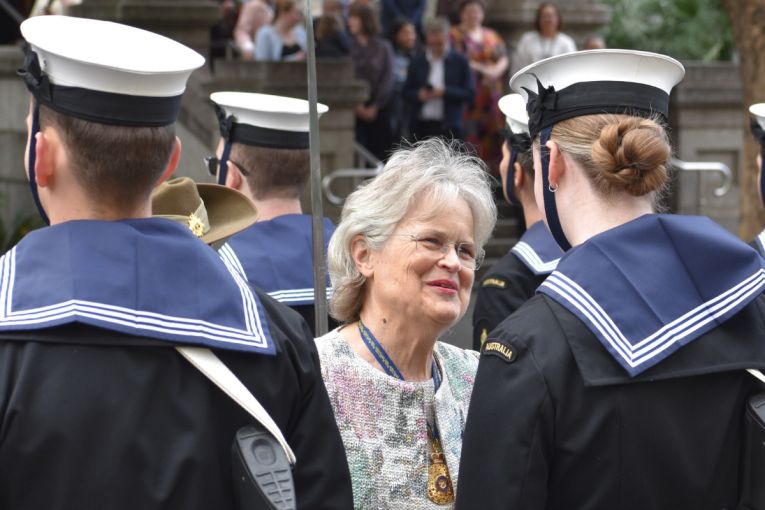
Today’s hearing at Parliament House heard evidence from trust president Millie Nicholls and vice-president Jo Lokan after the inquiry was established over growing concerns about its Moonta branch being suspended and its local heritage sites temporarily closed.
In her opening remarks, Nicholls said the National Trust of South Australia Act 1955, “although old”, was “essentially fit for purpose”.
However, she said it faced significant challenges, from “escalating facility and maintenance costs” to “tightening consumer discretionary spending”, and a “rapidly ageing volunteer base”, with the average age of volunteers now 75.
Nicholls revealed that the trust faces “severe financial constraints”, with only two years of cash reserves, and that it “has essentially run at a loss for the past 20 years”.
You might like

It comes after the trust announced last week it would be undertaking an organisational review of branches over the coming months, with close scrutiny and potential sell-offs of its asset portfolio of 80 historic sites.
Lokan and Nicholls reiterated that no decisions had been made about which properties would be sold and what would happen to individual branches.
The inquiry also heard that the Moonta branch that oversees the local mine sites earlier this year rejected an offer of “full autonomy” during a legal case launched over its suspension.
NTSA vice president Jo Lokan said this meant the branch would have been given “substantial” start-up capital funds and would have owned the Moonta Mines assets; it would also have been responsible for the day-to-day running of the historic sites and their upkeep.
Stay informed, daily
“We are advised by our legal representative not to make [the offer of autonomy] public, but we offered them complete autonomy, and they refused – I do not know why, but they refused to take it,” Nicholls said.
During the hearing, it was also revealed that the trust’s CEO Nicolette Di Lernia was on sick leave, with “no indication” of when she would return.
Nicholls said the review of the trust’s branch structure was happening, as “many were not viable financially, making it increasingly difficult for us to manage those 45 branches”.
She also rejected claims from a previous parliamentary committee hearing that she had fed lollies from the Moonta Mines Sweet Shop to cows, saying the lollies were disposed of because they “were unfit for human consumption”.
Nicholls disputed claims that the closure had led to a big impact on local tourism, saying that of the 500,000 people who visit the Copper Coast each year, only 15,000 visit the Moonta Mines sites, while Lokan pointed to the impact of the algal bloom and high fuel prices on decreased visitation.
Nicholls said a similar statement about the review of assets sent to media on Thursday last week was also sent to parliamentarians, stakeholders, branches and the environment minister.
But politicians at today’s hearing said they had not received the statement and had only found out about the review through the media.
According to its terms of reference, the parliamentary inquiry is looking into the governance and organisational structure of the NTSA, the NTSA Act and the management and preservation of its assets.
It would also look into the role of volunteers and community members in the operation and decision-making processes of NTSA and the impact of organisational and governance issues on regional communities, local history and tourism.
Later today, the inquiry will hear from members of the NTSA Renmark branch, former History Trust CEO Greg Mackie OAM and Griffin University academics Professor Sarah Baker and Dr Zelmarie Cantillon.
NTSA currently has over 80 sites under its custodianship, including Ayers House on North Terrace and Stangate House and Garden in the Adelaide Hills, as well as 23 nature reserves across the state.
Want to see more stories from InDaily SA in your Google search results?
- Click here to set InDaily SA as a preferred source.
- Tick the box next to "InDaily SA". That's it.